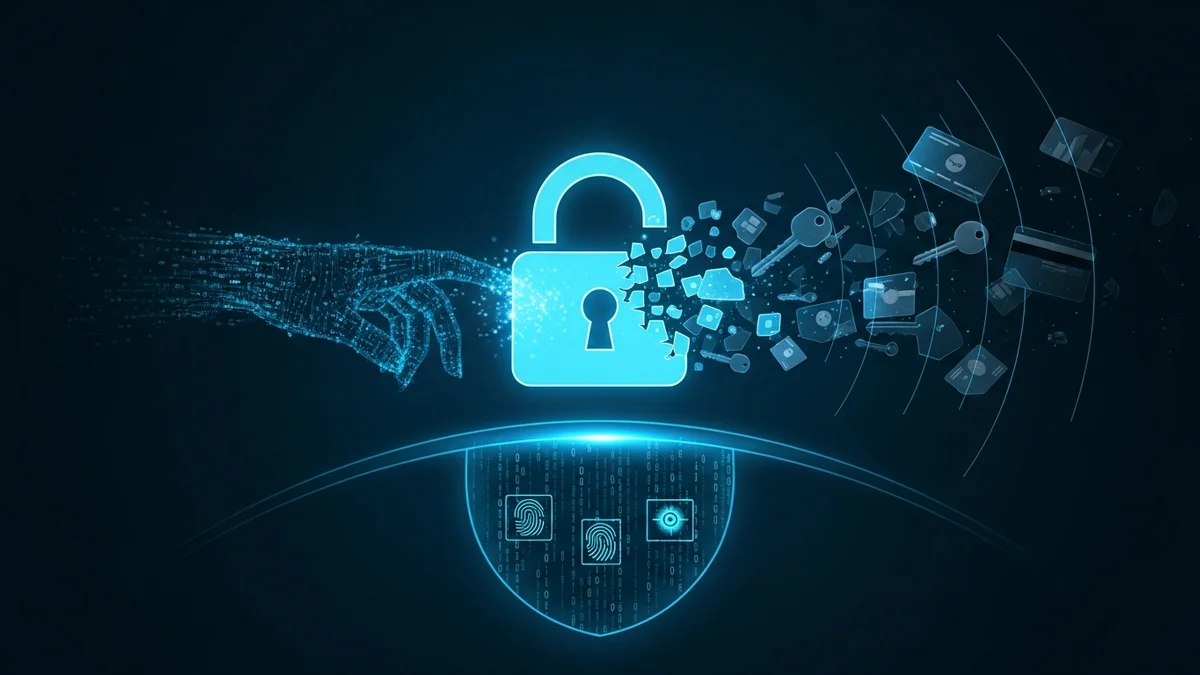
Identity theft is one of the fastest-growing cybercrimes in the world. Every year, millions of people discover that their personal information has been used to open credit cards, file tax returns, or make fraudulent purchases. In the United States alone, the Federal Trade Commission (FTC) receives millions of identity theft reports annually, with fraud losses reaching billions of dollars.
Understanding what identity theft is and how to prevent it is no longer optional. Whether your data is exposed in a corporate breach or stolen through phishing, the consequences can be financially and emotionally devastating. This guide explains how identity theft works, the most common types, warning signs to watch for, and practical steps you can take to protect yourself.
What Is Identity Theft?
Identity theft occurs when someone steals your personal information and uses it without your permission for financial gain or fraud. This information can include:
- Full name and date of birth
- Social Security or national ID numbers
- Credit card or bank account details
- Email addresses and passwords
- Health insurance or medical information
Criminals obtain this data through data breaches, phishing emails, malware, social engineering, or even physical theft of documents. Once they have enough information, they can impersonate you to open new accounts, take out loans, or access your existing financial accounts.
Major breaches have exposed billions of records over the past decade. The 2017 Equifax breach compromised sensitive information of approximately 147 million people. More recently, large-scale breaches affecting companies like Marriott and T-Mobile exposed customer data ranging from passport numbers to Social Security numbers. When your data is leaked in one of these incidents, it can circulate on the dark web for years.
Common Types of Identity Theft
Identity theft isn’t limited to stolen credit cards. It comes in several forms:
- Financial identity theft: Criminals open credit cards, take out loans, or make unauthorized transactions in your name.
- Account takeover: Hackers gain access to your existing bank, email, or shopping accounts and change login credentials.
- Tax identity theft: Fraudsters file a tax return using your Social Security number to claim a refund.
- Medical identity theft: Someone uses your health insurance information to receive medical treatment or prescriptions.
- Synthetic identity theft: Criminals combine real and fake information to create a new identity, often using a real Social Security number.
Many identity theft cases begin with compromised login credentials. According to Verizon’s Data Breach Investigations Report, stolen or weak passwords remain one of the leading causes of breaches worldwide.
How Criminals Steal Your Identity
Understanding the methods attackers use can help you avoid becoming a victim.
- Data breaches: When companies are hacked, customer data is often leaked or sold online. Even if you did nothing wrong, your information can still be exposed.
- Phishing attacks: Fraudulent emails or messages trick you into revealing passwords or financial details.
- Credential stuffing: Hackers use previously leaked email-password combinations to access other accounts.
- Public Wi-Fi attacks: Unsecured networks can allow attackers to intercept sensitive information.
- Social engineering: Criminals manipulate victims into sharing personal details over phone calls or messages.
Because data breaches are so common, proactive monitoring is essential. Tools like LeakDefend can monitor your email addresses for breaches and alert you if your data appears in newly leaked databases, giving you time to secure affected accounts before criminals exploit them.
Warning Signs of Identity Theft
Identity theft often goes unnoticed until significant damage is done. Watch for these red flags:
- Unfamiliar charges on your bank or credit card statements
- Unexpected account password reset emails
- Bills or collection notices for accounts you didn’t open
- Tax return rejections due to duplicate filings
- A sudden drop in your credit score
If you notice any of these signs, act immediately by contacting your bank, placing a fraud alert on your credit report, and changing your passwords.
How to Prevent Identity Theft
While no one can eliminate risk entirely, you can significantly reduce your exposure by following these best practices:
- Use strong, unique passwords: Avoid reusing passwords across accounts. Consider a reputable password manager to generate and store them securely.
- Enable two-factor authentication (2FA): Adding an extra verification step makes it much harder for attackers to access your accounts.
- Monitor your financial statements: Review transactions regularly and report suspicious activity immediately.
- Check your credit reports: In many countries, you’re entitled to free annual credit reports. Look for unfamiliar accounts or inquiries.
- Be cautious with emails and links: Verify the sender before clicking links or downloading attachments.
- Monitor for data breaches: LeakDefend.com lets you check all your email addresses for free and receive alerts if they appear in known breaches.
Early detection is critical. The faster you know your information has been exposed, the sooner you can change passwords, cancel cards, and secure your accounts.
🔒 Check If Your Email Was Breached — Monitor up to 3 email addresses for free with LeakDefend. Start Your Free Trial →
What to Do If You Become a Victim
If you suspect identity theft, take these steps immediately:
- Contact your bank or credit card issuer to freeze or close affected accounts.
- Place a fraud alert or credit freeze with major credit bureaus.
- Report the incident to your country’s consumer protection agency (such as the FTC in the U.S.).
- Change passwords on all affected accounts, especially if you reused credentials.
- Continue monitoring your accounts and credit reports closely.
Victims who act quickly often limit financial losses and prevent further misuse of their data.
Conclusion: Stay Proactive, Stay Protected
Identity theft is a serious and growing threat, fueled by massive data breaches and increasingly sophisticated cybercriminals. But prevention is possible. By understanding how identity theft works, recognizing warning signs, and adopting strong security habits, you can dramatically reduce your risk.
Most importantly, don’t wait for fraud to happen. Proactive monitoring services like LeakDefend provide early warnings when your email addresses appear in breach databases, helping you take action before criminals do. In today’s digital world, protecting your identity isn’t just smart — it’s essential.