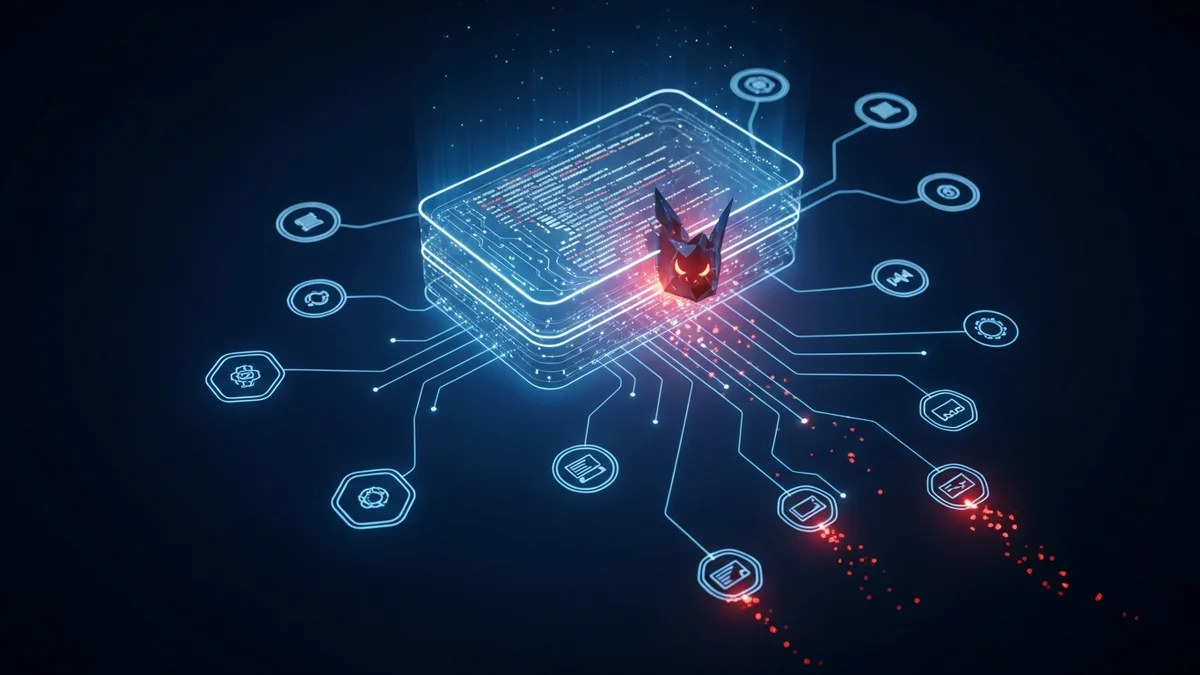
Supply chain attacks have become one of the most dangerous cybersecurity threats facing businesses and individuals today. Instead of attacking a target directly, hackers infiltrate trusted software vendors, service providers, or infrastructure partners — then use that trust to distribute malware or steal data at scale.
It’s a powerful strategy. Compromise one widely used software provider, and you gain access to thousands of downstream customers. From SolarWinds to Log4j, supply chain attacks have demonstrated that even reputable, well-secured organizations can become unwitting gateways for massive breaches.
Here’s how supply chain attacks work, why they’re so effective, and what you can do to reduce your risk.
What Is a Supply Chain Attack?
A supply chain attack occurs when cybercriminals compromise a third-party vendor, software provider, or service that a target organization relies on. Rather than breaching each victim individually, attackers infect a trusted component in the "supply chain" and let the malware spread naturally.
Common targets in supply chain attacks include:
- Software updates and patches
- Open-source libraries
- Managed service providers (MSPs)
- Cloud platforms
- Hardware manufacturers
Because these vendors are trusted, their software is often installed with high-level privileges. That makes a compromise especially devastating.
Why Supply Chain Attacks Are So Effective
Supply chain attacks succeed because they exploit trust. When software comes from a known vendor, organizations rarely question its legitimacy.
Here’s why these attacks are so powerful:
- Mass distribution: One breach can impact thousands of customers simultaneously.
- Legitimate delivery channels: Malware is delivered through official updates.
- Bypassing security controls: Trusted software is often allowlisted by security systems.
- Delayed detection: Malicious code may remain dormant for weeks or months.
According to industry research, supply chain attacks increased dramatically after 2020, with high-profile incidents exposing governments, Fortune 500 companies, and small businesses alike.
Real-World Examples of Supply Chain Attacks
Several major incidents illustrate just how damaging these attacks can be.
SolarWinds (2020): Attackers compromised the Orion network management software used by over 18,000 customers, including U.S. government agencies and major corporations. The malicious update allowed attackers to spy on sensitive systems for months before detection.
Kaseya (2021): A ransomware group exploited vulnerabilities in Kaseya’s remote management software, affecting approximately 1,500 downstream businesses worldwide. Many victims were small companies relying on managed IT providers.
Log4Shell (2021): A critical vulnerability in the widely used Log4j open-source library exposed millions of servers globally. Because Log4j was embedded in countless applications, organizations struggled to even identify where it was running.
Target (2013): In one of the earliest high-profile supply chain breaches, attackers accessed Target’s network through a compromised HVAC vendor. The breach exposed 40 million credit and debit card numbers.
These examples show that supply chain attacks are not theoretical risks — they are real, large-scale threats with long-lasting consequences.
How Supply Chain Breaches Impact Individuals
While headlines often focus on corporations, individuals are frequently the ultimate victims.
When a software provider is compromised, attackers may gain access to:
- Email addresses
- Passwords and hashed credentials
- Payment information
- Personal identification data
Even if you practice good password hygiene, you can’t control whether a service you use is breached. That’s why monitoring your exposure is critical. Tools like LeakDefend can monitor your email addresses for breaches and alert you if your data appears in known leaks — giving you time to change passwords and secure accounts before criminals exploit them.
LeakDefend.com lets you check all your email addresses for free, helping you understand whether a supply chain incident has affected you.
How Organizations Can Reduce Supply Chain Risk
No organization can eliminate supply chain risk entirely, but strong practices significantly reduce exposure.
- Vendor risk assessments: Evaluate third-party security controls before onboarding.
- Zero trust architecture: Never automatically trust internal or external software.
- Software bill of materials (SBOM): Track all components used in applications.
- Patch management: Rapidly apply security updates when vulnerabilities emerge.
- Least privilege access: Limit what third-party software can access.
Organizations should also monitor for unusual behavior within their environments. Many supply chain attacks are discovered not through vendor alerts, but through internal anomaly detection.
What You Can Do to Protect Yourself
Even if you’re not an IT administrator, there are practical steps you can take:
- Use unique, strong passwords for every account.
- Enable multi-factor authentication (MFA) wherever possible.
- Keep your devices and applications updated.
- Remove unused accounts tied to old services.
- Monitor your email addresses for breach exposure.
Because supply chain attacks often lead to large credential dumps, early detection is key. If your email appears in a breach database, attackers may attempt credential stuffing on other services you use.
Using a monitoring platform like LeakDefend ensures you’re alerted quickly so you can rotate passwords and secure sensitive accounts before damage occurs.
🔒 Check If Your Email Was Breached — Monitor up to 3 email addresses for free with LeakDefend. Start Your Free Trial →
Conclusion: Trust, But Verify
Supply chain attacks have changed the cybersecurity landscape. Instead of attacking one target at a time, hackers now compromise trusted vendors to reach thousands of victims simultaneously. From SolarWinds to Log4Shell, these incidents prove that even reputable software providers can become entry points for attackers.
The reality is simple: you cannot fully control the security practices of every company you rely on. But you can control how prepared you are when something goes wrong.
By practicing strong password hygiene, enabling multi-factor authentication, and monitoring your email addresses for breach exposure with services like LeakDefend, you reduce the likelihood that a supply chain attack turns into identity theft or financial loss.
In today’s interconnected world, cybersecurity isn’t just about protecting your own systems — it’s about understanding that every trusted tool in your stack could be a potential target. Stay vigilant, stay informed, and verify even the software you trust most.