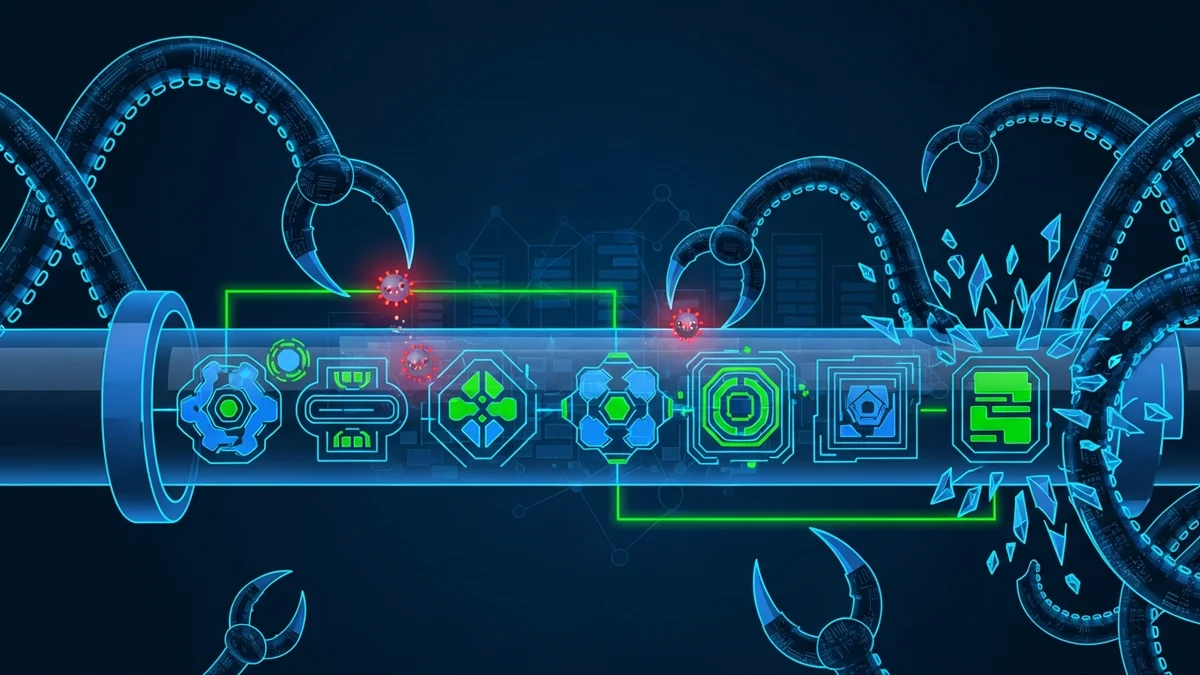
When you install a software update, you trust that it makes your system safer—not more vulnerable. But in a supply chain attack, hackers exploit that trust. Instead of targeting individuals or companies directly, attackers compromise a trusted software vendor, service provider, or third-party component. The result? Thousands of downstream customers become exposed at once.
Supply chain attacks have grown dramatically in both frequency and impact. From SolarWinds to Kaseya, these incidents have proven that even the most reputable software providers can become gateways for massive breaches. Understanding how these attacks work—and how to reduce your risk—is critical for businesses and individuals alike.
What Is a Supply Chain Attack?
A supply chain attack occurs when cybercriminals infiltrate a system through an external partner or third-party supplier. Instead of breaking into your network directly, they compromise:
- Software vendors
- Cloud service providers
- Open-source libraries
- Managed service providers (MSPs)
- Hardware manufacturers
Once attackers gain access to a trusted supplier, they inject malicious code into legitimate software updates or services. Because customers trust the vendor, they install the compromised update without suspicion.
This approach is highly effective. Rather than targeting one victim at a time, attackers can infiltrate hundreds or thousands of organizations simultaneously.
How Supply Chain Attacks Work
Most supply chain attacks follow a similar pattern:
- Step 1: Compromise the vendor. Attackers exploit vulnerabilities in a supplier’s infrastructure or gain access via phishing or stolen credentials.
- Step 2: Insert malicious code. Malware is embedded into software updates, patches, or legitimate tools.
- Step 3: Distribute to customers. The infected software is digitally signed and distributed as a normal update.
- Step 4: Establish persistence. Once inside customer systems, attackers deploy backdoors, steal credentials, or exfiltrate sensitive data.
Because the malicious code is delivered through a trusted channel, traditional security tools often fail to detect it immediately. The attack may remain undetected for months.
Real-World Examples of Major Supply Chain Attacks
Several high-profile cases demonstrate the devastating impact of supply chain compromises:
- SolarWinds (2020): Attackers inserted malicious code into Orion software updates, affecting around 18,000 customers, including U.S. government agencies and Fortune 500 companies. The breach went undetected for months.
- Kaseya (2021): A ransomware group exploited Kaseya’s IT management software, impacting approximately 1,500 businesses worldwide through managed service providers.
- NotPetya (2017): Distributed via a compromised Ukrainian accounting software update, this attack caused an estimated $10 billion in global damages.
- 3CX (2023): Hackers compromised a VoIP desktop application used by more than 600,000 companies, delivering malware through legitimate updates.
According to industry research, supply chain attacks increased by over 600% in recent years, highlighting how attractive this method has become for threat actors.
Why Supply Chain Attacks Are So Dangerous
Supply chain attacks are uniquely dangerous for several reasons:
- Scale: One compromised vendor can expose thousands of organizations.
- Trust exploitation: Digital signatures and trusted updates bypass suspicion.
- Long dwell time: Attacks often go undetected for months.
- Deep access: Vendors frequently have privileged access to client systems.
For individuals, this means your data could be exposed even if you practice good cybersecurity hygiene. If a company you use suffers a supply chain breach, your email address, password, or personal information may end up circulating on dark web forums.
That’s why monitoring for downstream exposure matters. Tools like LeakDefend can monitor your email addresses for breach activity, helping you detect when your information appears in compromised datasets—even if the breach originated from a third-party supplier.
How Businesses Can Reduce Supply Chain Risk
Organizations can’t eliminate supply chain risk entirely, but they can significantly reduce it with proactive controls:
- Vendor risk assessments: Regularly evaluate third-party security practices.
- Zero trust architecture: Limit access privileges, even for trusted partners.
- Software bill of materials (SBOM): Track components used in applications.
- Code signing verification: Validate digital signatures before deployment.
- Continuous monitoring: Detect abnormal behavior after updates are installed.
Security teams should also establish incident response plans specifically addressing third-party compromise scenarios.
What Individuals Can Do to Stay Protected
While supply chain attacks primarily target organizations, individuals are often collateral damage. Here’s how to protect yourself:
- Use unique passwords for every service to limit credential reuse risks.
- Enable multi-factor authentication (MFA) wherever possible.
- Update software promptly, but stay informed about major breach announcements.
- Monitor your accounts for unusual activity after publicized vendor breaches.
Most importantly, regularly check whether your email addresses have appeared in breach databases. LeakDefend.com lets you check all your email addresses for free and receive alerts if new exposures occur. Early detection can mean the difference between a quick password reset and full-blown identity theft.
The Future of Supply Chain Security
As organizations become more interconnected, supply chain risk will only grow. Modern software relies heavily on third-party APIs, open-source components, and cloud-based infrastructure. Each dependency expands the potential attack surface.
Governments are responding with new regulations and cybersecurity frameworks aimed at strengthening software integrity and transparency. But compliance alone isn’t enough. Security must become a shared responsibility across vendors, partners, and customers.
For individuals, awareness is key. You may trust your favorite app or service—but that trust extends to every vendor behind it. By practicing strong password hygiene, enabling MFA, and using breach monitoring services like LeakDefend, you add an extra layer of protection against risks you can’t directly control.
Supply chain attacks succeed because they exploit trust. The more proactive you are in monitoring your digital footprint, the less likely that hidden vulnerabilities in someone else’s system will turn into your personal security crisis.