When you install a software update from a trusted company, you probably don’t think twice about it. After all, it comes from a reputable vendor, it’s digitally signed, and it’s recommended for security improvements. But what if that very update was the attack?
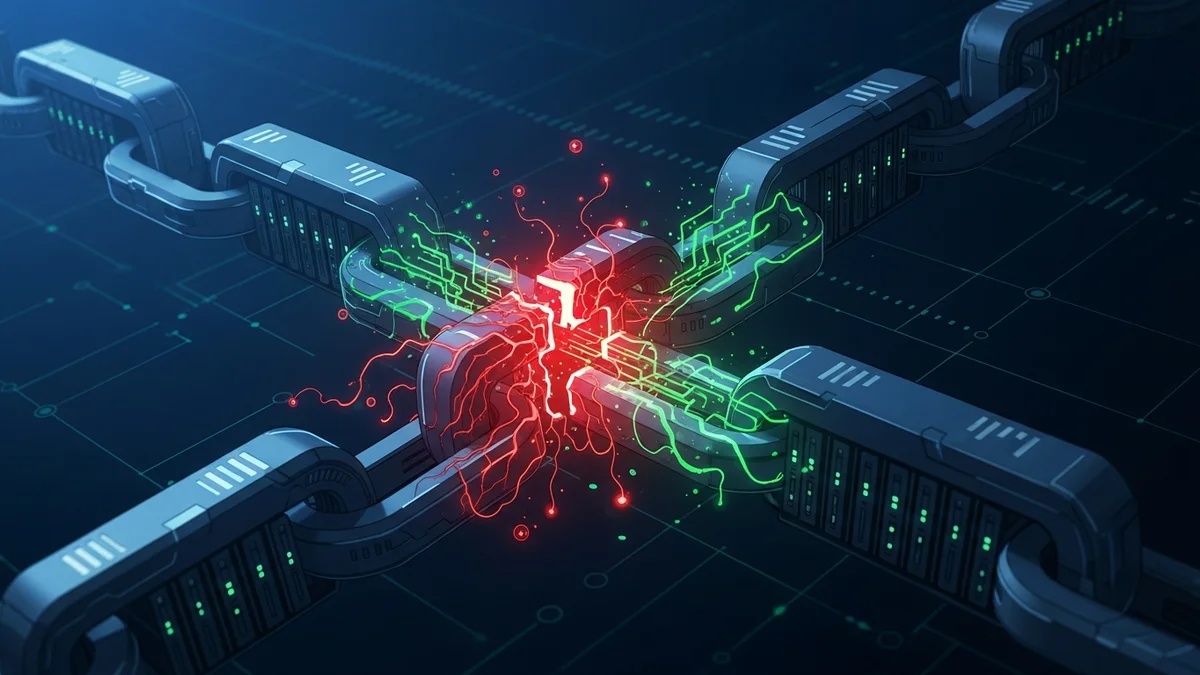
This is the reality of supply chain attacks—one of the fastest-growing and most dangerous cybersecurity threats today. Instead of targeting you directly, hackers compromise the software, hardware, or service providers you trust. By infiltrating a single vendor, attackers can silently reach thousands or even millions of users downstream.
Here’s how supply chain attacks work, why they’re so effective, and what you can do to reduce your risk.
What Is a Supply Chain Attack?
A supply chain attack occurs when cybercriminals infiltrate a trusted third-party provider to gain access to its customers. Rather than attacking individuals or companies head-on, attackers compromise the "supply chain"—the network of vendors, developers, service providers, and partners that deliver products and services.
In software supply chain attacks, this often means:
- Injecting malicious code into legitimate software updates
- Compromising development tools or build environments
- Hijacking open-source libraries used by thousands of applications
- Breaching managed service providers (MSPs) to access client networks
The impact can be massive because users willingly install updates or trust integrations from known providers.
Real-World Examples That Changed Cybersecurity
Supply chain attacks are not theoretical—they’ve already caused some of the most damaging breaches in history.
SolarWinds (2020) is perhaps the most infamous case. Attackers inserted malicious code into updates for SolarWinds’ Orion IT management software. When customers installed the update, they unknowingly installed a backdoor. The breach affected approximately 18,000 organizations, including U.S. government agencies and Fortune 500 companies.
Kaseya (2021) was another major incident. Cybercriminal group REvil exploited vulnerabilities in Kaseya’s remote management software, allowing them to push ransomware to managed service providers and their clients. The attack impacted up to 1,500 businesses worldwide.
Codecov (2021) involved attackers modifying a script used in development environments. This allowed them to steal sensitive data from companies using the tool.
These cases highlight a key truth: attackers increasingly prefer indirect access. It’s more efficient and often harder to detect.
Why Supply Chain Attacks Are So Effective
Supply chain attacks succeed because they exploit trust relationships. When software comes from a recognized vendor, users and IT teams assume it’s safe.
Here’s why they’re so dangerous:
- Wide reach: One compromised vendor can impact thousands of customers.
- Trusted distribution channels: Malicious updates appear legitimate and may be digitally signed.
- Delayed detection: It can take months before malicious code is discovered.
- Deep access: Software updates often have high-level system permissions.
According to industry research, software supply chain attacks increased more than 700% between 2019 and 2022, reflecting a major shift in attacker strategy. Instead of phishing one employee at a time, hackers aim for a single point of failure with exponential impact.
How These Attacks Affect Individuals
While headlines focus on enterprises, everyday users are frequently caught in the fallout. When compromised software is installed on your device, attackers may gain access to:
- Email credentials
- Stored passwords
- Personal files
- Cryptocurrency wallets
- Business login accounts
In many cases, victims don’t realize their data was exposed until months later—often after credentials appear in underground marketplaces.
This is why proactive monitoring matters. Tools like LeakDefend can monitor your email addresses for breach exposure and alert you if your data surfaces in known leaks. If a compromised vendor leads to your information being exposed, early notification can significantly reduce damage.
Warning Signs of a Supply Chain Compromise
Supply chain attacks are designed to be stealthy, but there are red flags individuals and organizations can watch for:
- Unexpected software behavior after an update
- New login alerts or password reset emails you didn’t request
- Multi-factor authentication prompts you didn’t initiate
- Sudden account lockouts
- Security advisories from vendors you use
If you notice suspicious activity shortly after installing updates, investigate immediately. Change passwords for critical accounts and enable multi-factor authentication wherever possible.
How to Protect Yourself from Supply Chain Attacks
You can’t control the security practices of every vendor you use—but you can reduce your exposure.
- Use multi-factor authentication (MFA): Even if credentials are stolen, MFA adds an extra barrier.
- Limit software installations: Only install tools you truly need and remove unused applications.
- Monitor for data breaches: Services like LeakDefend.com let you check all your email addresses for free and receive alerts if they appear in known breaches.
- Segment critical accounts: Use separate email addresses for banking, subscriptions, and personal accounts.
- Keep systems updated: Ironically, updates remain essential—most attacks exploit unpatched vulnerabilities.
Organizations should also implement vendor risk assessments, code signing verification, network segmentation, and zero-trust principles to limit blast radius if a supplier is compromised.
🔒 Check If Your Email Was Breached — Monitor up to 3 email addresses for free with LeakDefend. Start Your Free Trial →
The Future of Supply Chain Security
As software ecosystems grow more interconnected, supply chain risks will continue to rise. Modern applications rely heavily on open-source components—some projects include hundreds of external libraries. Each dependency is a potential entry point.
Governments and regulators are responding. The U.S. has introduced software bill of materials (SBOM) initiatives to improve transparency into software components. Security frameworks now emphasize continuous monitoring of third-party risk.
But technology alone isn’t enough. Awareness is critical. Understanding that "trusted" does not always mean "safe" is the first step toward better security hygiene.
Conclusion
Supply chain attacks represent a fundamental shift in cybercrime strategy. Instead of breaking down your front door, attackers compromise the company that built the lock. By exploiting trusted relationships, they gain scale, stealth, and devastating reach.
While you can’t prevent every vendor from being targeted, you can control how quickly you respond. Strong authentication, careful software management, and proactive breach monitoring dramatically reduce your personal risk.
In a world where even legitimate updates can become attack vectors, staying informed—and alerted—may be your strongest defense.