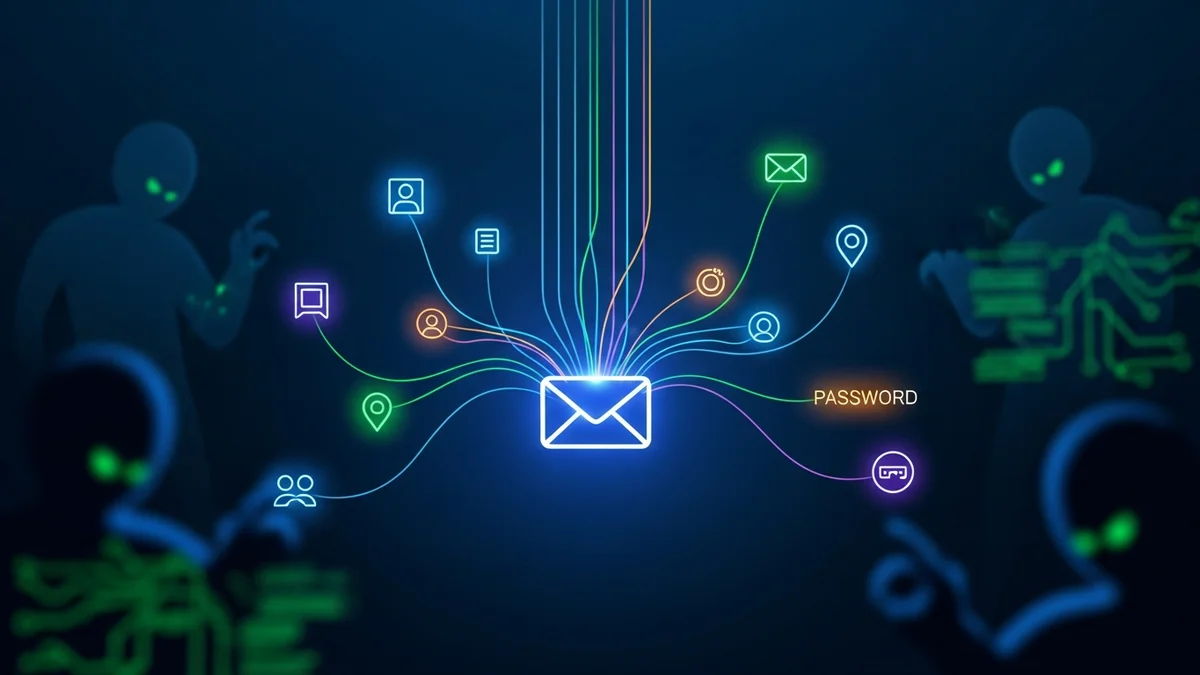
Your email address is more than just a way to send messages. It’s the master key to your digital life. When it’s exposed in a data breach, hackers don’t just add it to a spam list — they use it as a launchpad for more targeted and dangerous attacks.
In 2023 alone, billions of records were exposed in breaches worldwide. Major incidents affecting companies like LinkedIn, Facebook, T-Mobile, and countless SaaS platforms have leaked email addresses alongside passwords, phone numbers, and personal details. Once your email appears in one of these databases, it can circulate in underground forums for years.
Here’s how hackers use your breached email to target you further — and what you can do to stop them.
1. Launching Highly Targeted Phishing Attacks
Phishing is no longer a generic "You’ve won a prize" scam. Once hackers obtain your breached email, they often pair it with other leaked information such as your full name, employer, or previous passwords.
This allows them to create personalized phishing emails that look convincingly real. For example:
- Fake "password reset" emails referencing services you actually use
- Impersonation of your bank, streaming service, or employer
- Messages that include an old password to make the threat feel real
One common tactic is "sextortion" scams, where attackers include a previously leaked password in the email body and claim they’ve hacked your webcam. Even if the password is old, seeing it can create panic and pressure victims into paying.
According to the FBI’s Internet Crime Complaint Center (IC3), phishing remains one of the most reported cybercrimes each year, costing victims billions of dollars. A breached email address significantly increases your likelihood of being targeted.
2. Attempting Credential Stuffing Attacks
Many people reuse passwords across multiple accounts. Hackers know this — and they automate it.
When your email and password combination is exposed in a breach, attackers use bots to try the same credentials across:
- Online banking portals
- E-commerce platforms
- Social media accounts
- Streaming services
- Corporate login pages
This technique, known as credential stuffing, has led to massive account takeover campaigns. For example, large retailers and food delivery services have reported millions of fraudulent login attempts using leaked credentials from unrelated breaches.
If even one account uses the same password, hackers gain access — and from there, they can reset other passwords, make purchases, or harvest additional personal data.
Monitoring tools like LeakDefend can alert you when your email appears in a breach, giving you the opportunity to change passwords before attackers exploit them.
3. Resetting Your Other Accounts
Your email inbox is the gateway to nearly every account you own. If hackers compromise your email account itself, the damage multiplies quickly.
With access to your inbox, attackers can:
- Request password resets for financial accounts
- Intercept two-factor authentication (2FA) codes sent via email
- Search your inbox for sensitive documents or invoices
- Identify high-value accounts like crypto exchanges or PayPal
Even if your email password wasn’t leaked in the original breach, attackers may attempt targeted password guessing based on previous exposed credentials.
This is why email security should be your top priority. If your email falls, everything connected to it is at risk.
4. Building a Detailed Profile for Identity Theft
A breached email address is often bundled with other personal information, such as:
- Full name
- Phone number
- Home address
- Date of birth
- Security questions and answers
Hackers aggregate this data from multiple breaches to build comprehensive profiles. These profiles can be sold on dark web marketplaces or used directly for identity theft.
In some cases, criminals use this information to:
- Open fraudulent credit accounts
- File fake tax returns
- Conduct SIM swap attacks
- Impersonate you in social engineering scams
Because email addresses are unique identifiers, they help attackers connect data from separate leaks into one coherent victim profile.
5. Targeting You Through Business Email Compromise (BEC)
If your breached email is tied to your workplace, the stakes are even higher.
Business Email Compromise (BEC) attacks rely heavily on previously leaked email data. Cybercriminals study corporate email formats, impersonate executives, and send fraudulent payment instructions to finance teams.
The FBI has reported tens of billions of dollars in losses from BEC scams globally over the past decade. Often, these attacks begin with nothing more than a leaked business email address.
Even if attackers can’t access your corporate account directly, they may use your personal email to craft convincing spear-phishing campaigns targeting your colleagues.
How to Protect Yourself After an Email Breach
If your email has been exposed, quick action can dramatically reduce your risk.
- Change passwords immediately for the breached service and any accounts using the same password.
- Enable multi-factor authentication (MFA) on your email and critical accounts.
- Use a password manager to generate unique, strong passwords.
- Monitor financial statements for unusual activity.
- Watch for phishing emails that reference real details about you.
Most importantly, you need visibility. You can’t respond to a breach you don’t know about. LeakDefend.com lets you check all your email addresses for free and monitor up to three accounts for ongoing exposure. Early detection is often the difference between a minor inconvenience and full-blown identity theft.
🔒 Check If Your Email Was Breached — Monitor up to 3 email addresses for free with LeakDefend. Start Your Free Trial →
Conclusion: Your Breached Email Is Just the Beginning
When hackers get your email address in a data breach, they rarely stop there. They use it to send targeted phishing messages, attempt credential stuffing, reset your accounts, and build identity theft profiles. In many cases, the real damage happens months or even years after the initial leak.
Your email is the central hub of your online identity. Protecting it should be your top cybersecurity priority. By using unique passwords, enabling multi-factor authentication, and monitoring for new breaches with services like LeakDefend, you can dramatically reduce the chances that a single exposed email turns into a cascading security disaster.
Data breaches are inevitable. Becoming an easy target is not.