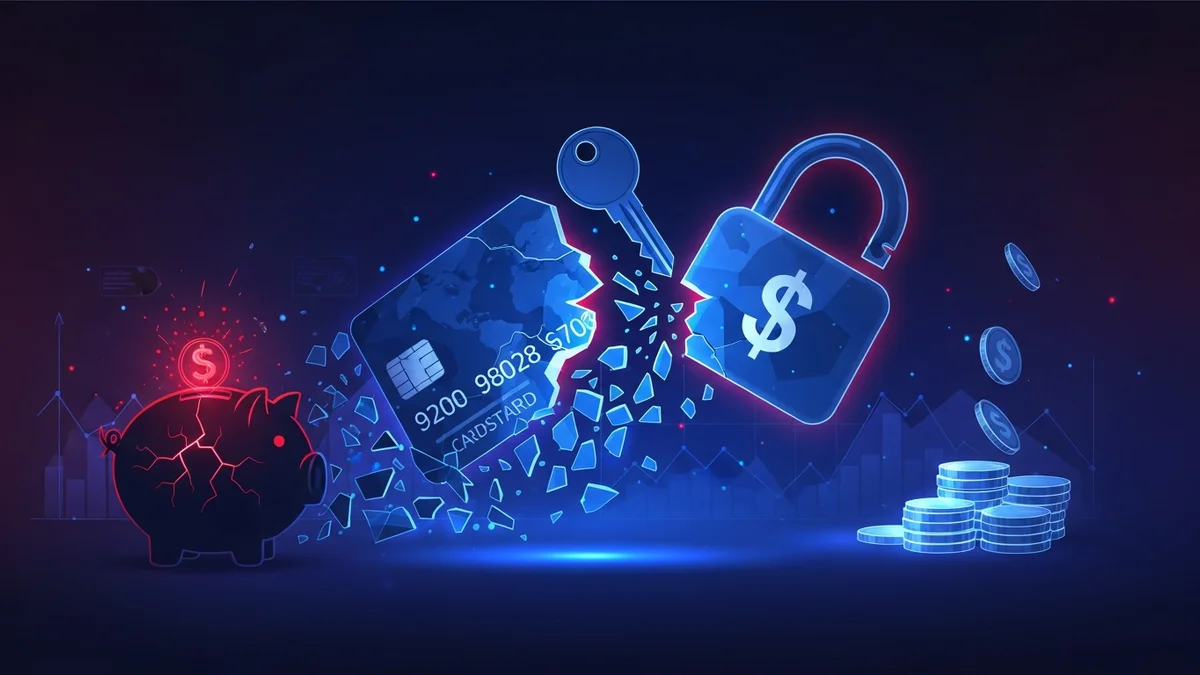
When people hear "identity theft," they often think of a fraudulent credit card charge or a hacked social media account. But the true financial cost of identity theft for individuals goes far beyond a few unauthorized transactions. Victims frequently face months—or even years—of financial instability, damaged credit, legal complications, and emotional stress.
According to the U.S. Federal Trade Commission (FTC), millions of identity theft reports are filed each year. In 2023 alone, consumers reported losing over $10 billion to fraud, a record high. While some losses are reimbursed, many hidden costs are not. Understanding the full financial impact is the first step toward protecting yourself.
1. Direct Financial Losses: The Immediate Impact
The most obvious cost of identity theft is direct financial loss. This can include:
- Unauthorized credit card charges
- Drained bank accounts
- Fraudulent loans or lines of credit
- Tax refund theft
- Medical identity fraud
While many banks offer fraud protection, not all stolen funds are recovered. Victims may be liable for certain transactions if they are not reported quickly. Debit card fraud, for example, can become costly if it isn't flagged within required timeframes.
In more severe cases, criminals open new accounts in the victim’s name. These fraudulent debts can total thousands—or even tens of thousands—of dollars before being detected.
Major data breaches such as the 2017 Equifax breach, which exposed sensitive data of approximately 147 million people, have provided criminals with Social Security numbers, birth dates, and addresses—exactly what’s needed to commit large-scale financial fraud.
2. Long-Term Credit Damage and Higher Borrowing Costs
One of the most damaging consequences of identity theft is long-term credit score impact. Fraudulent loans, missed payments, and maxed-out credit lines can significantly lower your credit score.
A lower credit score can result in:
- Higher interest rates on mortgages and car loans
- Denied loan or rental applications
- Higher insurance premiums
- Security deposit requirements for utilities
Even a 50–100 point drop in your credit score can cost thousands of dollars in higher interest payments over time. For example, a slightly higher mortgage rate on a 30-year home loan can add tens of thousands of dollars in total interest.
Repairing credit damage often takes months of dispute filings, documentation gathering, and constant follow-ups with credit bureaus.
3. Out-of-Pocket Expenses Most People Don’t Expect
Many victims are surprised by the indirect and out-of-pocket expenses identity theft creates. These costs often include:
- Certified mail and documentation fees
- Legal consultations
- Credit monitoring services
- Notary fees and affidavit filings
- Lost wages from time taken off work
According to studies by identity protection organizations, victims can spend dozens of hours resolving fraud cases. For some, it exceeds 100 hours of calls, paperwork, and disputes.
Time is money. Missed workdays, stress-related health issues, and ongoing administrative burdens all contribute to the true financial cost.
4. Emotional Stress and Its Hidden Financial Toll
Identity theft doesn’t just damage finances—it impacts mental health. Victims often report anxiety, sleep disruption, and a sense of violation.
This emotional toll can translate into:
- Reduced work productivity
- Medical or therapy expenses
- Strained family relationships
- Decision-making paralysis regarding finances
Financial uncertainty creates long-term stress. For some individuals, fear of recurring fraud leads to overly restrictive financial behavior, such as avoiding credit use altogether, which can further impact credit-building efforts.
5. The Growing Role of Data Breaches in Identity Theft
Most identity theft today begins with a data breach. Large-scale breaches at companies like Marriott, T-Mobile, Capital One, and LinkedIn have exposed billions of records over the past decade.
Once your email address, password, or personal details are leaked, they often appear on dark web marketplaces. Criminals buy and sell this information in bulk, combining data from multiple breaches to build detailed victim profiles.
This is why proactive monitoring matters. Tools like LeakDefend can monitor your email addresses for breach exposure and alert you if your data appears in newly discovered leaks. Early detection allows you to change passwords, freeze credit, and prevent fraud before it escalates.
LeakDefend.com lets you check multiple email addresses for free, helping you identify whether your information has already been compromised. The earlier you detect exposure, the lower the potential financial fallout.
6. Preventing Identity Theft: Reducing Your Financial Risk
While no system is foolproof, you can dramatically reduce your risk with proactive measures:
- Use strong, unique passwords for every account
- Enable multi-factor authentication (MFA)
- Freeze your credit if you don’t plan to apply for loans
- Regularly monitor bank and credit card statements
- Check your credit reports annually
- Monitor your email addresses for breach exposure
Continuous monitoring is especially critical because identity theft often happens months—or even years—after a breach occurs. A service like LeakDefend provides ongoing alerts so you’re not left guessing whether your data is circulating online.
🔒 Check If Your Email Was Breached — Monitor up to 3 email addresses for free with LeakDefend. Start Your Free Trial →
Conclusion: The Real Cost Is Bigger Than You Think
The true financial cost of identity theft for individuals extends far beyond stolen money. It includes damaged credit, higher borrowing costs, legal and administrative expenses, lost wages, and emotional stress. Even when fraudulent charges are reimbursed, the ripple effects can last for years.
In an era of constant data breaches and digital exposure, identity theft is no longer a rare event—it’s a persistent risk. The key to minimizing financial damage is early detection and rapid response.
By monitoring your digital footprint, securing your accounts, and using tools designed to alert you to breach exposure, you can significantly reduce your risk—and avoid the long-term financial burden that identity theft so often brings.