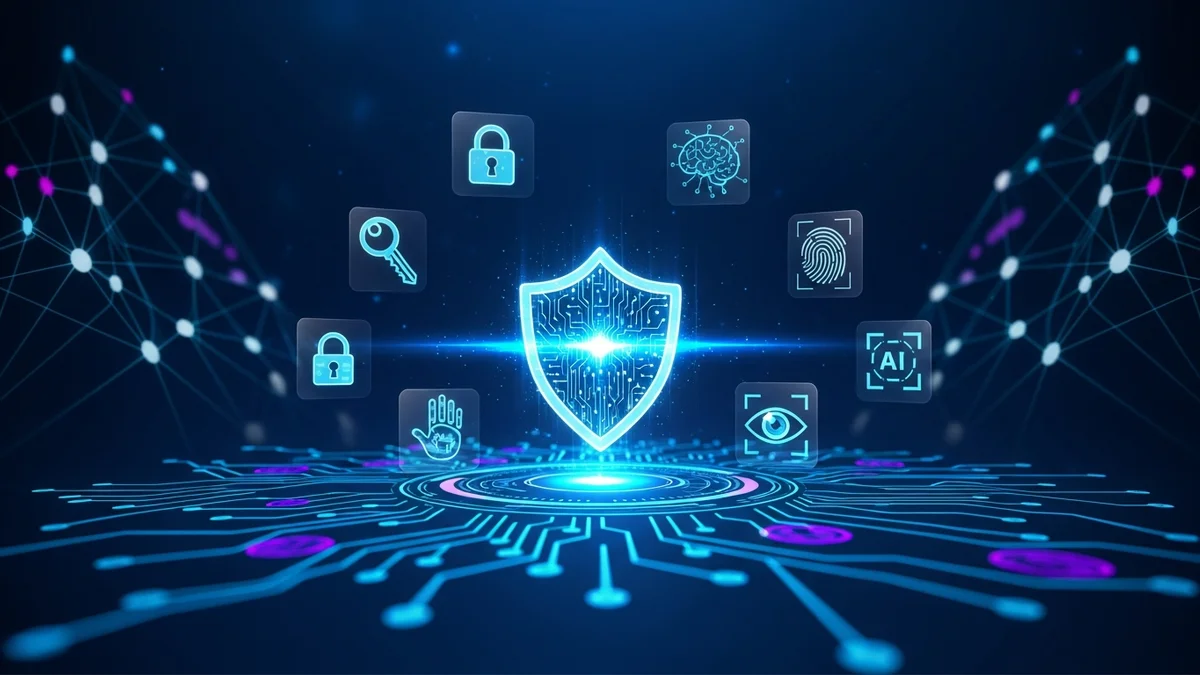
The future of cybersecurity is arriving faster than most organizations can adapt. In 2024 alone, global cybercrime damages were estimated to exceed $10 trillion annually, according to Cybersecurity Ventures. Massive breaches at companies like Change Healthcare, AT&T, and various cloud service providers demonstrated that even well-resourced enterprises remain vulnerable. As we move into 2025 and beyond, cybersecurity will become more predictive, automated, and deeply integrated into everyday digital life.
From AI-powered attacks to stricter privacy regulation and the mainstream adoption of zero trust frameworks, here’s what individuals and businesses should expect — and how to prepare.
AI-Powered Cyberattacks Will Escalate
Artificial intelligence is transforming cybersecurity — on both sides of the battlefield. While defenders use AI to detect anomalies and automate responses, attackers are using the same technology to scale phishing, automate malware development, and craft highly convincing social engineering campaigns.
In 2023 and 2024, security researchers observed a surge in AI-generated phishing emails that mimicked writing styles and eliminated traditional red flags like poor grammar. Deepfake voice scams also cost businesses millions, including a widely reported case in Hong Kong where a finance employee transferred $25 million after a video call with AI-generated executives.
By 2025, we can expect:
- Hyper-personalized phishing attacks built from leaked data and social media profiles
- AI-generated malware that adapts in real time to avoid detection
- Automated vulnerability scanning conducted by attackers at massive scale
This means reactive security won’t be enough. Continuous monitoring and proactive detection will become standard practice.
Zero Trust Will Become the Default Security Model
The traditional “trust but verify” perimeter-based security model is disappearing. Remote work, SaaS adoption, and cloud infrastructure have dissolved network boundaries. In response, organizations are rapidly adopting Zero Trust architecture — a framework based on “never trust, always verify.”
According to Gartner, over 60% of organizations will embrace zero trust as a starting point for security by 2025. This approach requires:
- Continuous identity verification
- Strict access controls
- Multi-factor authentication (MFA)
- Micro-segmentation of networks
For individuals, this trend means more frequent authentication prompts and stronger identity verification processes. While it may feel inconvenient, it significantly reduces the impact of stolen credentials — which remain a leading cause of breaches worldwide.
Data Breaches Will Shift from “If” to “When”
Major breaches are no longer rare events. In 2023 alone, more than 3,200 publicly reported data breaches exposed billions of records globally. Attackers increasingly target third-party vendors and supply chains, amplifying impact across multiple organizations at once.
The future of cybersecurity recognizes a difficult truth: prevention alone is not enough. The question is no longer if your data will appear in a breach, but when.
As a result, breach detection and response tools are becoming essential for both companies and individuals. Instead of waiting for official disclosure months later, proactive monitoring solutions can alert users quickly. Tools like LeakDefend can monitor your email addresses for breaches and notify you when your credentials appear in leaked databases, allowing you to act before attackers exploit the data.
In 2025 and beyond, rapid detection will be just as important as prevention.
Stronger Global Privacy Regulations Are Coming
Governments worldwide are responding to escalating cyber threats with stricter data protection laws. The GDPR in Europe set the tone, followed by regulations like the California Consumer Privacy Act (CCPA). Now, countries across Asia, South America, and Africa are introducing comprehensive privacy frameworks.
Future cybersecurity strategies will be heavily shaped by compliance requirements, including:
- Mandatory breach disclosure timelines
- Heavier fines for data mismanagement
- Stronger consumer data rights
- Expanded oversight of cross-border data transfers
Organizations that treat compliance as a checklist rather than a core security practice will struggle. Privacy-by-design and transparent data handling will become competitive advantages, not just legal obligations.
Passwordless Authentication and Digital Identity Evolution
Passwords have long been the weakest link in cybersecurity. Verizon’s Data Breach Investigations Report consistently finds that compromised credentials play a role in the majority of breaches.
By 2025, passwordless authentication methods — including passkeys, biometrics, and hardware tokens — will accelerate. Major technology companies like Apple, Google, and Microsoft are already supporting passkey standards developed by the FIDO Alliance.
However, even as passwordless systems grow, legacy systems and reused credentials will remain targets. Many people continue to reuse passwords across multiple services, meaning one breach can unlock dozens of accounts.
This is where proactive monitoring becomes critical. LeakDefend.com lets you check all your email addresses for free and track exposure across different platforms. As digital identities expand, centralized monitoring tools help reduce blind spots and strengthen personal security hygiene.
Cybersecurity Will Become More Personal
In the past, cybersecurity was primarily an IT department concern. That era is ending. As identity theft, subscription fraud, and account takeovers rise, cybersecurity is becoming a personal responsibility.
Consumers increasingly manage:
- Dozens of online accounts
- Multiple subscription services
- Cloud-stored financial and personal data
- Connected smart home devices
Each digital touchpoint is a potential vulnerability. The future of cybersecurity will empower individuals with tools that offer visibility into their exposure — not just antivirus software, but breach monitoring, identity alerts, and subscription oversight.
Solutions like LeakDefend bridge this gap by providing ongoing monitoring instead of one-time breach checks. Early awareness allows users to change passwords, enable MFA, and secure accounts before damage spreads.
🔒 Check If Your Email Was Breached — Monitor up to 3 email addresses for free with LeakDefend. Start Your Free Trial →
Conclusion: Preparation Beats Prediction
The future of cybersecurity in 2025 and beyond will be defined by AI-driven threats, zero trust adoption, stricter regulation, and the normalization of breach monitoring. Attackers will become faster and more automated — but defenses will become smarter and more proactive.
The most important shift is mindset. Cybersecurity can no longer be reactive. Organizations must assume compromise and build resilient systems. Individuals must assume exposure and monitor their digital footprint continuously.
Technology will continue to evolve, but the fundamentals remain clear: verify identities, limit access, monitor for breaches, and respond quickly. Those who embrace proactive security strategies today will be far better prepared for the threats of tomorrow.