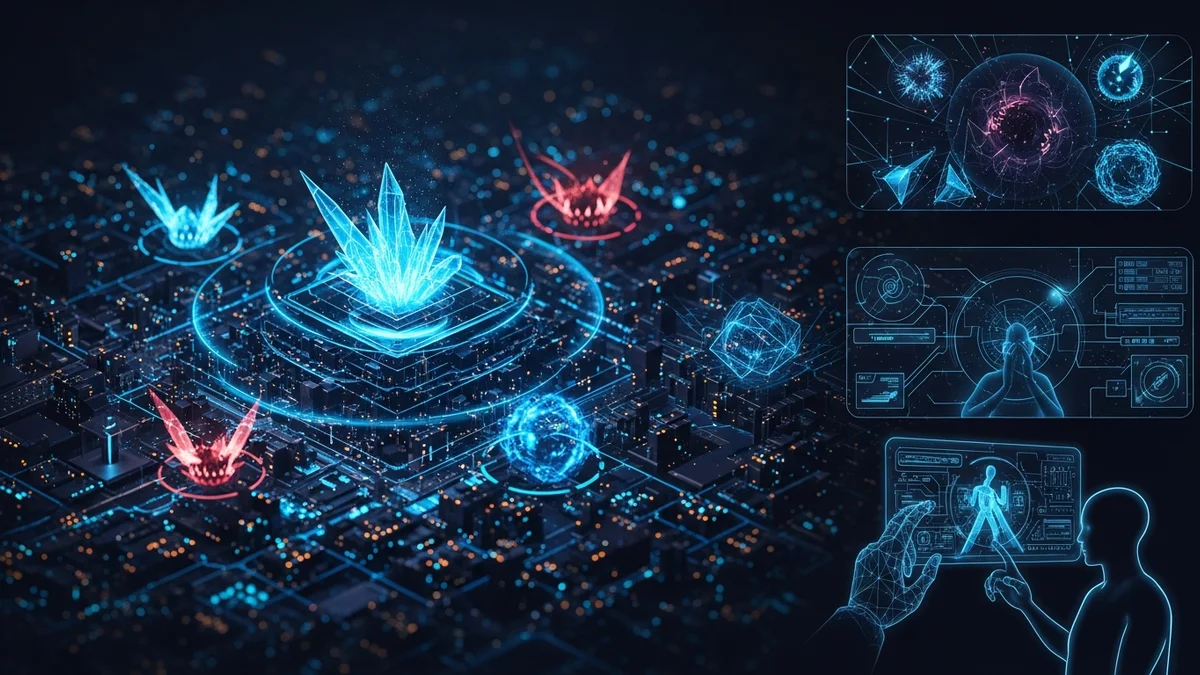
The future of cybersecurity is arriving faster than most organizations can adapt. In 2023 alone, IBM reported that the global average cost of a data breach reached $4.45 million — the highest on record. Meanwhile, high-profile incidents affecting companies like MGM Resorts, Change Healthcare, and major cloud providers demonstrated how disruptive cyberattacks can be across industries.
As we move through 2025 and beyond, cybersecurity is no longer just an IT concern. It is a business survival issue, a regulatory priority, and a personal responsibility. From AI-powered threats to stricter privacy laws, the threat landscape is evolving rapidly. Here’s what to expect — and how to prepare.
1. AI-Powered Attacks Will Become the Norm
Artificial intelligence is transforming cybersecurity on both sides of the battlefield. While defenders use AI to detect anomalies and automate responses, attackers are leveraging it to scale and refine their campaigns.
Generative AI tools can now create convincing phishing emails, deepfake audio, and even video impersonations of executives. In 2024, several companies reported losses after employees were tricked by AI-generated voice clones of senior leaders authorizing fraudulent transfers.
Expect to see:
- Highly personalized phishing campaigns based on scraped social media and breached data
- Automated vulnerability discovery powered by machine learning
- Deepfake-enabled social engineering targeting finance and HR teams
The future of cybersecurity will rely heavily on AI-driven detection systems that can identify subtle anomalies in real time. Human-only security teams simply cannot keep up with machine-speed attacks.
2. Zero Trust Will Replace Traditional Perimeter Security
The era of the corporate firewall as a primary defense is over. Remote work, cloud adoption, and SaaS tools have dissolved the traditional network perimeter.
Zero Trust — a model built on the principle of "never trust, always verify" — is becoming the standard. Instead of assuming users or devices inside the network are safe, every access request is continuously authenticated and authorized.
By 2025 and beyond, organizations will increasingly adopt:
- Multi-factor authentication (MFA) across all systems
- Device posture checks before granting access
- Least-privilege access controls
- Continuous identity monitoring
This shift reflects a critical reality: identity is the new perimeter. According to Verizon’s Data Breach Investigations Report, over 80% of breaches involve stolen or compromised credentials. Protecting accounts is no longer optional — it’s foundational.
3. Identity Protection Will Become a Consumer Priority
Major breaches have exposed billions of credentials over the past decade. From LinkedIn and Facebook leaks to large-scale healthcare and telecom breaches, email addresses and passwords are constantly circulating on dark web marketplaces.
Consumers are becoming more aware that their personal data is likely already exposed somewhere. The future of cybersecurity will include proactive monitoring rather than reactive cleanup.
Key trends include:
- Real-time breach alerts when email addresses appear in new leaks
- Password hygiene tools to identify reused or weak credentials
- Subscription and account visibility to reduce digital attack surfaces
Tools like LeakDefend help individuals monitor their email addresses for breach exposure and receive alerts when new incidents occur. Instead of waiting until fraud happens, users can take early action — changing passwords, enabling MFA, and securing accounts before damage spreads.
As identity theft and account takeovers rise, services such as LeakDefend.com — which lets you check multiple email addresses for free — will play a central role in everyday cybersecurity.
4. Ransomware Will Evolve Beyond Encryption
Ransomware is no longer just about locking files. Modern ransomware groups operate like businesses, complete with customer support portals and affiliate programs.
Attackers increasingly use "double extortion" tactics — stealing data before encrypting it. If victims refuse to pay, the stolen data is published or sold. In some cases, attackers now threaten customers or partners directly, applying public pressure.
Looking ahead, expect:
- Triple extortion models targeting executives and clients
- Greater focus on critical infrastructure and healthcare
- More regulatory scrutiny around ransom payments
Governments worldwide are debating bans or reporting mandates for ransomware payments. This will significantly influence how organizations respond to incidents in the coming years.
5. Privacy Regulations Will Expand Globally
The regulatory landscape is tightening. GDPR in Europe and CCPA in California set early benchmarks, but new laws continue to emerge worldwide.
In 2025 and beyond, we can expect:
- Stricter breach disclosure timelines
- Higher penalties for inadequate data protection
- Expanded consumer rights over personal data
Organizations will need stronger data mapping, encryption, and monitoring capabilities to remain compliant. Transparency will become a competitive advantage as consumers increasingly choose companies that demonstrate responsible data stewardship.
6. Cybersecurity Will Become More Personal and Continuous
Perhaps the most important shift in the future of cybersecurity is this: protection will no longer be occasional or reactive. It will be continuous.
Instead of checking for breaches once a year, individuals and businesses will rely on ongoing monitoring systems. Instead of static passwords, we will see broader adoption of passkeys and biometric authentication. Instead of isolated tools, integrated security ecosystems will become the norm.
Continuous monitoring tools like LeakDefend provide early warnings when credentials appear in newly discovered leaks. That proactive visibility can prevent account takeovers, subscription fraud, and identity theft before they escalate.
🔒 Check If Your Email Was Breached — Monitor up to 3 email addresses for free with LeakDefend. Start Your Free Trial →
Conclusion: Preparing for the Cybersecurity Landscape Ahead
The future of cybersecurity in 2025 and beyond will be defined by speed, automation, and identity-centric defense. AI-driven attacks, evolving ransomware tactics, and expanding privacy regulations will challenge organizations and individuals alike.
But the outlook isn’t purely defensive. Advances in AI-based detection, zero trust architectures, and continuous breach monitoring provide powerful countermeasures. The key is shifting from reactive cleanup to proactive resilience.
Cyber threats are not slowing down. The question is whether defenses will keep pace. By embracing modern security practices — and leveraging tools that provide real-time visibility into your digital exposure — you can stay ahead of the next wave of threats rather than scrambling to recover from them.