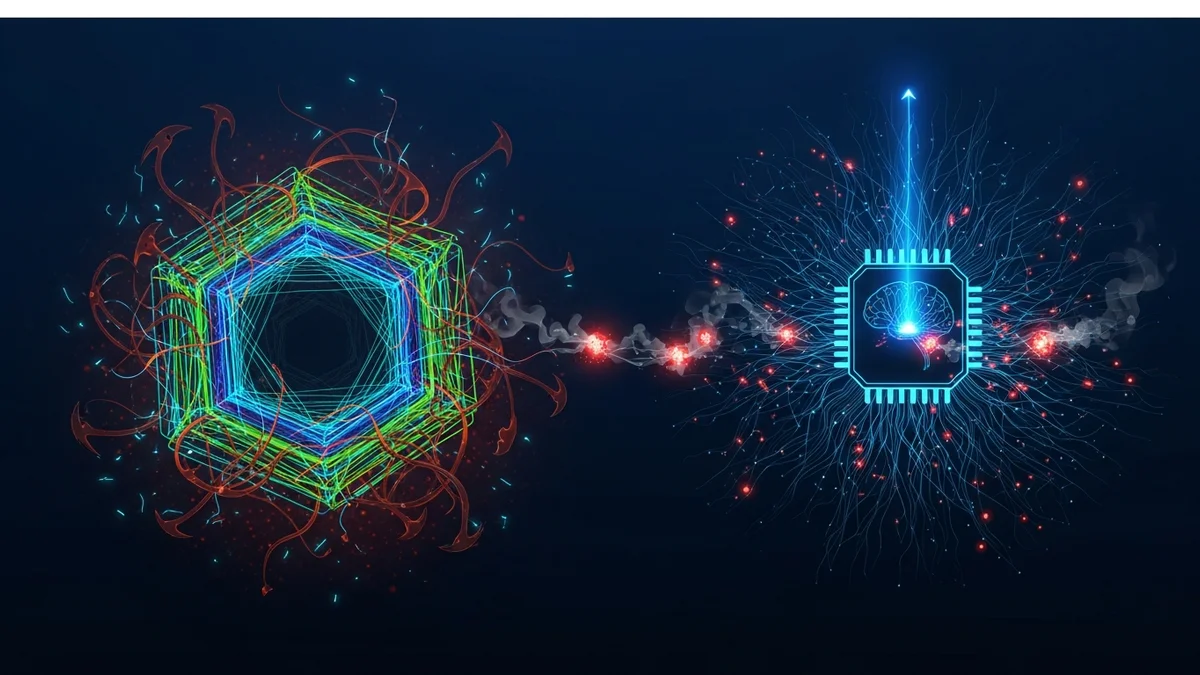
The future of cybersecurity is arriving faster than most organizations are prepared for. In 2023 alone, the average global cost of a data breach reached $4.45 million, according to IBM’s Cost of a Data Breach Report. Meanwhile, ransomware attacks, supply chain compromises, and AI-driven phishing campaigns continue to escalate in both scale and sophistication.
As we move through 2025 and beyond, cybersecurity is no longer just an IT concern — it’s a business survival issue. From artificial intelligence reshaping both attacks and defenses to stricter global privacy regulations, the threat landscape is evolving rapidly. Here’s what individuals and businesses should expect next.
1. AI-Powered Attacks Will Become the Norm
Artificial intelligence is transforming cybersecurity — on both sides of the battlefield. While defenders use AI to detect anomalies and automate responses, cybercriminals are leveraging the same technology to create smarter, faster, and more convincing attacks.
Generative AI tools can now craft highly personalized phishing emails in seconds. Deepfake voice and video scams are becoming more convincing, with documented cases of executives being tricked into transferring millions after receiving AI-cloned phone calls. In 2024, several high-profile business email compromise (BEC) attacks involved synthetic audio impersonations of CEOs.
By 2025 and beyond, expect:
- Hyper-personalized phishing campaigns built from breached data.
- Automated vulnerability discovery by malicious AI systems.
- Deepfake-enabled social engineering targeting executives and finance teams.
This shift means traditional security awareness training will need to evolve. Humans alone cannot detect increasingly realistic AI-driven deception.
2. Zero Trust Will Replace Traditional Network Security
The concept of “trust but verify” is being replaced with “never trust, always verify.” Zero Trust Architecture (ZTA) assumes that no user, device, or system should be trusted by default — even inside the corporate network.
Major breaches, including the SolarWinds supply chain attack and the MOVEit file transfer exploit in 2023, demonstrated how attackers exploit implicit trust relationships. Once inside, they move laterally with little resistance.
By 2025:
- More organizations will adopt continuous authentication rather than one-time logins.
- Access controls will become identity-centric instead of network-based.
- Micro-segmentation will limit the damage of compromised accounts.
Zero Trust is not a product — it’s a strategy. Businesses that fail to implement it risk becoming easy targets for lateral movement attacks.
3. Identity Will Be the New Security Perimeter
As remote work, SaaS tools, and cloud platforms dominate modern infrastructure, identity has become the primary attack surface. According to Microsoft, over 99% of account compromise attacks can be stopped with multi-factor authentication (MFA), yet many organizations still rely heavily on passwords alone.
Credential stuffing and password reuse remain widespread problems. Billions of login credentials are circulating on the dark web due to past breaches involving companies like LinkedIn, Yahoo, and Facebook. Once exposed, those credentials are tested across countless other services.
This is why proactive monitoring matters. Tools like LeakDefend can monitor your email addresses for breaches and alert you when your data appears in newly discovered leaks. Instead of waiting to become a victim of identity theft, users can respond immediately by changing passwords and enabling stronger authentication.
In the coming years, expect:
- Broader adoption of passwordless authentication using passkeys and biometrics.
- Increased regulation around identity verification.
- Greater consumer demand for breach transparency.
Identity protection will no longer be optional — it will be foundational.
4. Ransomware Will Target Critical Infrastructure and SMEs
Ransomware is evolving from opportunistic attacks to strategic disruption. High-profile incidents like the Colonial Pipeline attack in 2021 showed how cybercrime can impact fuel supplies and national infrastructure. Since then, hospitals, schools, and local governments have become frequent targets.
Small and medium-sized enterprises (SMEs) are especially vulnerable. They often lack dedicated security teams but still hold valuable financial and customer data. Cybercriminal groups increasingly use ransomware-as-a-service (RaaS), allowing less technical actors to launch sophisticated campaigns.
Future ransomware trends include:
- Double and triple extortion tactics, threatening data leaks and customer notification.
- Data destruction instead of encryption to increase pressure.
- Targeting backup systems before launching the main attack.
Organizations must invest in immutable backups, incident response planning, and continuous monitoring to reduce exposure.
5. Data Privacy Regulations Will Tighten Globally
Governments worldwide are strengthening privacy regulations. GDPR in Europe set the tone, followed by laws like the California Consumer Privacy Act (CCPA). In 2025 and beyond, more countries are expected to implement stricter data handling requirements, breach disclosure mandates, and financial penalties.
Regulators are no longer issuing symbolic fines. In recent years, companies like Meta and Amazon have faced penalties in the hundreds of millions for privacy violations.
This trend will push businesses to:
- Adopt privacy-by-design principles.
- Minimize data collection and retention.
- Improve breach detection and reporting speed.
For consumers, this means greater transparency — but also greater responsibility. Regularly checking whether your personal data has been exposed is becoming essential. LeakDefend.com lets you check all your email addresses for free and monitor up to three addresses continuously, helping you stay ahead of potential misuse.
6. Cybersecurity Will Become a Shared Responsibility
One of the biggest shifts in the future of cybersecurity is cultural. Security is no longer confined to IT departments. Employees, executives, vendors, and customers all play a role.
Human error remains a leading cause of breaches. Verizon’s Data Breach Investigations Report consistently shows that social engineering and credential abuse are dominant attack vectors. Technology alone cannot solve this — awareness and proactive monitoring are equally important.
Individuals should:
- Use unique passwords or passkeys.
- Enable multi-factor authentication everywhere possible.
- Monitor their email addresses for breach exposure.
- Act quickly when alerts indicate compromised data.
Services like LeakDefend provide ongoing monitoring and real-time alerts, helping users respond before attackers can exploit stolen credentials.
🔒 Check If Your Email Was Breached — Monitor up to 3 email addresses for free with LeakDefend. Start Your Free Trial →
Conclusion: Preparing for a More Hostile Digital World
The future of cybersecurity in 2025 and beyond will be defined by speed, automation, and identity-centric threats. AI will empower both defenders and attackers. Zero Trust will become mainstream. Identity protection will replace perimeter defense as the primary battleground.
But the most important shift is proactive security. Waiting for a breach notification months after exposure is no longer acceptable. Continuous monitoring, rapid response, and smarter authentication are now essential for individuals and organizations alike.
Cyber threats are evolving — but so are the tools to fight them. The question is not whether cyberattacks will continue. They will. The real question is whether you’re prepared to detect, respond, and adapt in time.