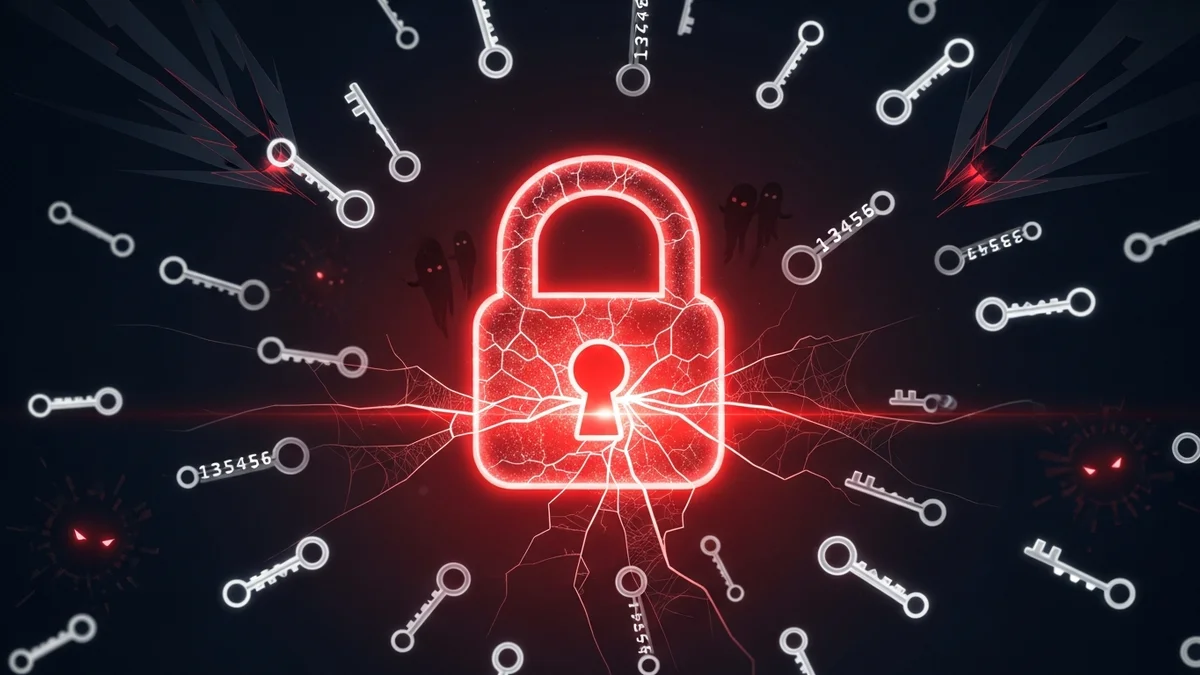
Every year, cybersecurity reports reveal a surprising — and alarming — fact: "123456" is still the most common password in the world. Despite constant warnings from security experts, widespread media coverage of data breaches, and built-in password strength meters on most websites, millions of people continue to rely on this six-digit sequence.
According to annual analyses from companies like NordPass and SplashData, "123456" has topped the list of most-used passwords for years. In some reports, it has appeared in millions of leaked accounts. The password can be cracked in less than a second using basic brute-force techniques.
So why does this keep happening? And more importantly, what does it mean for your personal data, finances, and online identity?
Why Is "123456" Still So Popular?
At first glance, it seems irrational. Everyone knows simple passwords are dangerous. Yet human behavior tells a different story.
There are three primary reasons "123456" remains dominant:
- Convenience: It’s easy to type, remember, and reuse.
- Password fatigue: The average person manages dozens, sometimes hundreds, of online accounts.
- False sense of security: Many users believe their accounts aren’t "important enough" to target.
When signing up for a new service, users often want to complete the process quickly. If the platform has minimal password requirements, predictable combinations like "123456" become an easy default.
Unfortunately, attackers know this. And they exploit it at scale.
How Hackers Exploit Weak Passwords
Cybercriminals rarely guess passwords manually. Instead, they rely on automated tools and massive databases of previously leaked credentials.
When a data breach occurs — such as the 2013 Yahoo breach affecting 3 billion accounts, the LinkedIn breach exposing over 100 million passwords, or the Collection #1 leak containing 773 million email-password combinations — those credentials are compiled and reused in future attacks.
This fuels a technique called credential stuffing. Attackers take known email and password combinations and automatically test them across thousands of websites. If someone reused "123456" on multiple accounts, one breach can unlock many services.
Because "123456" is so common, it’s one of the very first passwords attempted in brute-force and dictionary attacks. In fact, security researchers consistently demonstrate that weak passwords can be cracked instantly with modern hardware.
What this means in practice:
- Email accounts get hijacked.
- Streaming and subscription services are taken over.
- Banking and fintech apps become targets.
- Personal data is sold on dark web marketplaces.
A weak password doesn’t just affect one login. It can compromise your entire digital life.
The Real-World Consequences of Weak Passwords
Using "123456" may seem harmless, but the downstream effects can be severe.
Once attackers gain access to your email account, they can reset passwords on other services. Email acts as the master key to your digital identity. From there, criminals can:
- Steal stored payment methods
- Access private conversations and documents
- Commit identity theft
- Launch phishing attacks from your account
According to Verizon’s Data Breach Investigations Report (DBIR), stolen credentials remain one of the most common initial attack vectors year after year. Weak and reused passwords play a central role in these breaches.
Even if you believe your accounts don’t contain sensitive data, they still have value. Compromised accounts are often resold in bulk or used in larger attack chains.
Why Password Reuse Makes the Problem Worse
The real danger isn’t just using "123456." It’s reusing it across multiple platforms.
Studies consistently show that a majority of users reuse passwords across sites. When one service experiences a breach, attackers immediately test those credentials on:
- Email providers
- Banking platforms
- Social media networks
- E-commerce sites
This creates a domino effect. One compromised account can quickly lead to many more.
Tools like LeakDefend help reduce this risk by monitoring your email addresses against known data breaches. If your credentials appear in a leaked database, you can take action immediately instead of discovering the problem months later.
LeakDefend.com lets you check all your email addresses for free and see whether they’ve been exposed in past breaches — a critical first step in breaking the password reuse cycle.
How to Protect Yourself (Beyond Just Avoiding "123456")
Eliminating weak passwords is essential, but effective protection requires a broader strategy.
- Use a password manager: These tools generate and store complex, unique passwords for every account.
- Enable multi-factor authentication (MFA): Even if your password is compromised, MFA adds an extra layer of protection.
- Create long passphrases: A phrase like "CoffeeRainSunset!92" is significantly stronger and easier to remember than random digits.
- Monitor for breaches: Early detection limits damage.
Monitoring is often overlooked. Many people don’t realize their credentials were exposed until suspicious activity appears. By that point, attackers may have had access for weeks or months.
Services like LeakDefend continuously monitor breach databases and notify you if your email address appears in newly discovered leaks. This proactive approach shifts you from reactive damage control to preventive security.
What "123456" Really Says About Online Security
The continued dominance of "123456" reveals something important: cybersecurity isn’t just a technology problem — it’s a human behavior problem.
People choose easy passwords because they prioritize speed and convenience. Attackers rely on this predictability. As long as weak passwords remain common, automated attacks will remain profitable.
But the solution doesn’t require technical expertise. It requires small, consistent improvements:
- Stop reusing passwords.
- Adopt password managers.
- Turn on MFA everywhere possible.
- Actively monitor your exposure.
These simple changes dramatically reduce your risk profile.
🔒 Check If Your Email Was Breached — Monitor up to 3 email addresses for free with LeakDefend. Start Your Free Trial →
Conclusion
"123456" remains the most common password not because people don’t care about security, but because convenience often wins. Unfortunately, cybercriminals exploit that convenience at scale.
Weak passwords are the front door to identity theft, financial fraud, and large-scale data breaches. And as long as simple combinations dominate password lists, attackers will continue to succeed.
The good news is that protecting yourself is entirely within reach. Replace weak passwords with strong, unique ones. Enable multi-factor authentication. And use monitoring tools like LeakDefend to stay informed about potential exposure.
In today’s threat landscape, assuming "it won’t happen to me" is the real risk. Taking proactive steps now ensures that your password never becomes part of the next breach statistic.