For decades, passwords have been the default gatekeepers of our digital lives. From email and banking to social media and streaming platforms, nearly everything relies on a string of characters we’re expected to remember—and protect. Yet passwords remain one of the weakest links in cybersecurity. Data breaches expose billions of credentials every year, phishing attacks trick users into handing them over, and password reuse turns a single leak into a full-blown identity crisis.
Enter passkeys. Touted by Apple, Google, Microsoft, and the FIDO Alliance as the future of authentication, passkeys aim to eliminate passwords entirely. But what exactly are passkeys, how do they work, and will they truly replace passwords?
What Are Passkeys?
Passkeys are a passwordless authentication method built on public-key cryptography. Instead of creating and remembering a password, your device generates a pair of cryptographic keys:
- A public key, which is stored on the website’s server.
- A private key, which stays securely on your device.
When you log in, the website sends a challenge to your device. Your device signs that challenge with the private key, and the server verifies it using the public key. No shared secret (like a password) is ever transmitted.
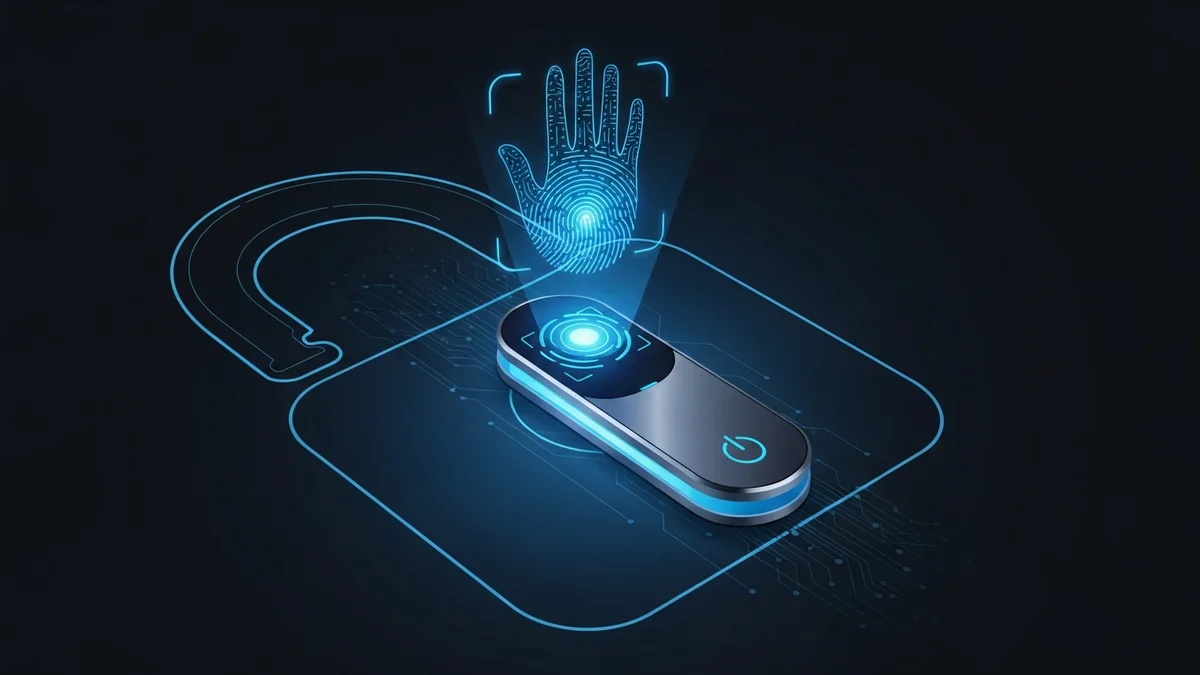
Authentication typically happens through something you already use—such as Face ID, Touch ID, Windows Hello, or your device PIN. In other words, your biometric unlock replaces the need to type a password.
Passkeys are based on standards developed by the FIDO Alliance and the World Wide Web Consortium (W3C), ensuring compatibility across major platforms and browsers.
Why Passwords Are Failing
To understand the appeal of passkeys, it’s important to recognize the scale of the password problem.
According to Verizon’s Data Breach Investigations Report, stolen credentials remain one of the leading causes of data breaches year after year. Major incidents like the 2013 Yahoo breach (affecting 3 billion accounts) and the 2019 Collection #1 credential dump (over 770 million unique email addresses) demonstrate how exposed passwords can spread across the internet.
Even today, billions of leaked credentials circulate on dark web marketplaces. The core issues with passwords include:
- Password reuse: Many users reuse the same password across multiple sites.
- Weak passwords: "123456" and "password" consistently rank among the most common choices.
- Phishing vulnerability: Users can be tricked into typing passwords into fake websites.
- Database breaches: If a company’s password database is compromised, attackers can crack hashed passwords offline.
Tools like LeakDefend help reduce the damage by monitoring your email addresses for known data breaches, alerting you when credentials are exposed so you can act quickly. But the fundamental weakness of passwords remains: they are secrets that can be stolen.
How Passkeys Improve Security
Passkeys address several critical weaknesses of traditional passwords.
- Phishing resistance: Passkeys are bound to specific websites. If you land on a fake domain, your device simply won’t authenticate.
- No shared secrets: Since the private key never leaves your device, there’s nothing for attackers to intercept.
- No password reuse: Each account automatically gets a unique key pair.
- Stronger cryptography: Public-key cryptography is far more resistant to brute-force attacks.
Even if a company’s database is breached, attackers only obtain public keys—which are useless without the corresponding private keys stored securely on users’ devices.
This model dramatically reduces the impact of large-scale credential stuffing attacks, where stolen username-password combinations are reused across multiple services.
Are Passkeys Completely Risk-Free?
While passkeys are a major security improvement, they’re not a silver bullet.
First, device security becomes critical. If someone gains access to your unlocked device, they may be able to authenticate as you. That’s why strong device PINs and biometric protections remain essential.
Second, account recovery can be complex. If you lose access to all your devices, recovering passkey-protected accounts may require backup authentication methods. Some services still fall back on traditional recovery emails or SMS codes—which can reintroduce vulnerabilities.
Finally, adoption is still in progress. Although major platforms like Google, Apple, Microsoft, PayPal, and Amazon now support passkeys, many smaller websites do not. For the foreseeable future, passwords and passkeys will coexist.
Will Passkeys Replace Passwords Completely?
The short answer: eventually, but not overnight.
Technology transitions take time. Consider how long it took for HTTPS to become the web standard or for two-factor authentication (2FA) to gain widespread use. Passkeys are gaining momentum, but full adoption depends on:
- Website integration and developer implementation
- User education and trust
- Cross-device compatibility and recovery improvements
In the near term, expect a hybrid environment. Some services will default to passkeys, while others continue relying on passwords—often combined with 2FA.
This means password hygiene is still crucial. Even as passkeys expand, attackers will continue exploiting weak or reused passwords wherever they exist. Regularly checking whether your credentials have been exposed remains a smart defensive habit. LeakDefend.com lets you check all your email addresses for free and monitor them for new breaches, helping you respond quickly if your information appears in leaked databases.
What You Should Do Today
While we move toward a passwordless future, there are practical steps you can take right now:
- Enable passkeys wherever supported.
- Use a password manager for accounts that still require passwords.
- Turn on multi-factor authentication (MFA) for critical services.
- Monitor your email addresses for breach exposure.
Remember, cybersecurity is about reducing risk layers. Passkeys significantly shrink the attack surface—but they don’t eliminate every threat.
Conclusion: A Passwordless Future Is Closer Than You Think
Passkeys represent one of the most meaningful shifts in digital authentication in decades. By removing shared secrets, resisting phishing, and eliminating password reuse, they solve many of the structural weaknesses that have fueled massive data breaches.
However, passwords won’t disappear overnight. During this transition period, users must remain vigilant—adopting passkeys where possible while maintaining strong password practices elsewhere.
The future is likely passwordless, but security awareness will always matter. Whether you’re using passwords or passkeys, proactive monitoring, smart authentication choices, and tools like LeakDefend help ensure that a single breach doesn’t become a personal catastrophe.
The era of typing complex passwords may be fading—but protecting your digital identity never goes out of style.