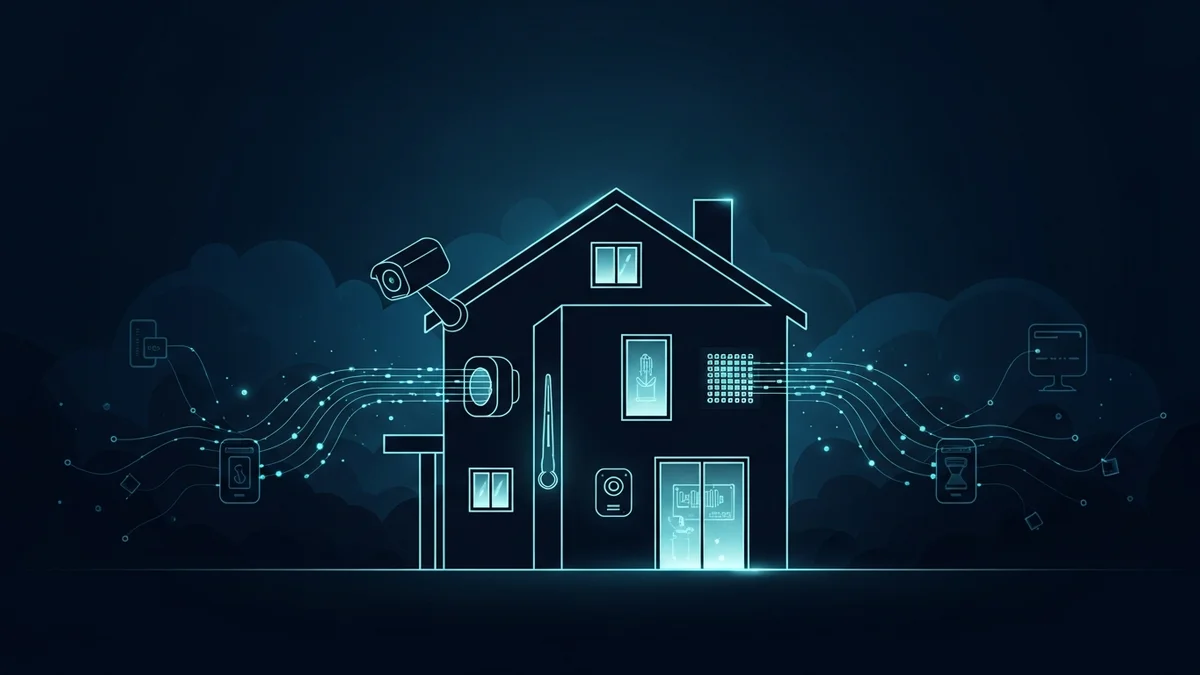
Smart home devices promise convenience, efficiency, and even security. From voice assistants and smart thermostats to connected cameras and doorbells, millions of households now rely on internet-connected gadgets every day. In fact, industry reports estimate there are more than 15 billion IoT (Internet of Things) devices worldwide, with that number continuing to grow rapidly.
But behind the convenience lies a growing concern: smart home devices create real privacy risks. Many consumers underestimate how much data these devices collect, where that data is stored, and how vulnerable it can be to hackers or corporate misuse.
Here’s what you need to know about the privacy risks of smart home technology—and how to protect yourself.
1. Smart Devices Collect More Data Than You Realize
Most smart home devices are always listening, watching, or monitoring something. Voice assistants like Amazon Alexa, Google Assistant, and Apple Siri continuously process voice commands. Smart TVs track viewing habits. Smart thermostats monitor when you're home or away. Even robotic vacuums map the layout of your house.
That data can include:
- Voice recordings
- Video footage from inside or outside your home
- Location data and movement patterns
- Daily routines and behavioral habits
- Wi-Fi network information
In 2019, reports revealed that contractors working for major tech companies were reviewing snippets of user voice recordings to improve AI accuracy. While companies claimed the data was anonymized, the incident raised serious concerns about how private those “private” conversations really are.
The more devices you connect, the more data you generate—and the larger your digital footprint becomes.
2. Weak Security Makes Smart Homes Attractive Targets
Many smart home devices prioritize convenience over security. Default passwords, outdated firmware, and poor encryption standards are common problems. Hackers actively scan the internet for vulnerable IoT devices.
One of the most famous examples was the Mirai botnet attack in 2016, which hijacked thousands of insecure IoT devices (including cameras and routers) to launch massive distributed denial-of-service (DDoS) attacks. The attack temporarily disrupted major platforms like Twitter, Netflix, and Reddit.
More personal cases are even more concerning. There have been documented incidents of hackers:
- Accessing baby monitors and speaking to children
- Taking control of smart thermostats
- Watching families through poorly secured security cameras
Once a single device is compromised, attackers may use it as a gateway into your entire home network, potentially accessing laptops, smartphones, and sensitive accounts.
3. Data Breaches Expose Smart Device Accounts
Even if your devices themselves aren’t hacked, the companies that manage them can be. Smart home platforms store vast amounts of user data in cloud servers. When those servers are breached, customer information can leak.
For example, in 2019, a major smart home camera provider disclosed a breach that exposed user email addresses. Other IoT manufacturers have faced similar incidents involving exposed databases or unsecured cloud storage.
When your email address is linked to multiple smart home services, a single data breach can create a domino effect. Attackers often use exposed emails in credential stuffing attacks—trying stolen passwords across different platforms.
This is where monitoring tools become critical. LeakDefend helps you track whether your email addresses appear in known data breaches, allowing you to act before attackers exploit the information. LeakDefend.com lets you check all your email addresses for free, making it easier to see if your smart device accounts may already be exposed.
4. Always-On Devices Create Surveillance Risks
Smart home devices blur the line between convenience and surveillance. Video doorbells record sidewalks and neighbors. Indoor cameras may capture guests without their knowledge. Voice assistants can activate accidentally.
Privacy concerns extend beyond hackers. Law enforcement agencies in several countries have requested or obtained footage from smart doorbell companies during investigations. While this may support public safety, it raises complex questions about consent and data ownership.
Additionally, if your smart home account is compromised, an attacker could gain access to live camera feeds or stored recordings. That turns what was meant to enhance safety into a powerful surveillance tool against you.
5. Third-Party Integrations Multiply the Risk
Smart homes thrive on integrations. You might connect your doorbell to your phone, your lights to your voice assistant, and your thermostat to a home automation platform. Each integration creates another data-sharing pathway.
The problem? You are only as secure as the weakest link.
If a smaller third-party app with weaker security practices gets breached, attackers could gain indirect access to your larger ecosystem. Many users forget to remove old integrations or revoke permissions for apps they no longer use.
Regularly auditing connected services and monitoring your email accounts for breach alerts with services like LeakDefend can significantly reduce long-term exposure.
How to Reduce Smart Home Privacy Risks
While smart home privacy risks are real, they can be managed with proactive security habits:
- Change default passwords immediately and use strong, unique passwords for every device account.
- Enable two-factor authentication (2FA) wherever available.
- Update firmware regularly to patch security vulnerabilities.
- Segment your network by placing IoT devices on a separate Wi-Fi network.
- Disable features you don’t use, including microphones or remote access if unnecessary.
- Monitor your email addresses for breaches so you can quickly reset exposed credentials.
Many smart home attacks succeed not because of sophisticated hacking techniques, but because of reused passwords and unmonitored breach exposure. Tools like LeakDefend provide early warnings if your credentials appear in leaked databases, helping you secure your accounts before they’re exploited.
🔒 Check If Your Email Was Breached — Monitor up to 3 email addresses for free with LeakDefend. Start Your Free Trial →
Conclusion: Convenience Shouldn’t Cost Your Privacy
Smart home devices aren’t inherently dangerous—but they expand your digital attack surface. Every connected camera, assistant, and thermostat collects data. Every cloud account tied to those devices becomes a potential breach point.
As smart homes become standard, privacy protection must become routine. Strong passwords, two-factor authentication, network segmentation, and breach monitoring are no longer optional—they’re essential.
The goal isn’t to abandon smart technology. It’s to use it responsibly. By understanding how smart home devices create privacy risks and taking practical steps to reduce them, you can enjoy the convenience of connected living without sacrificing your security.