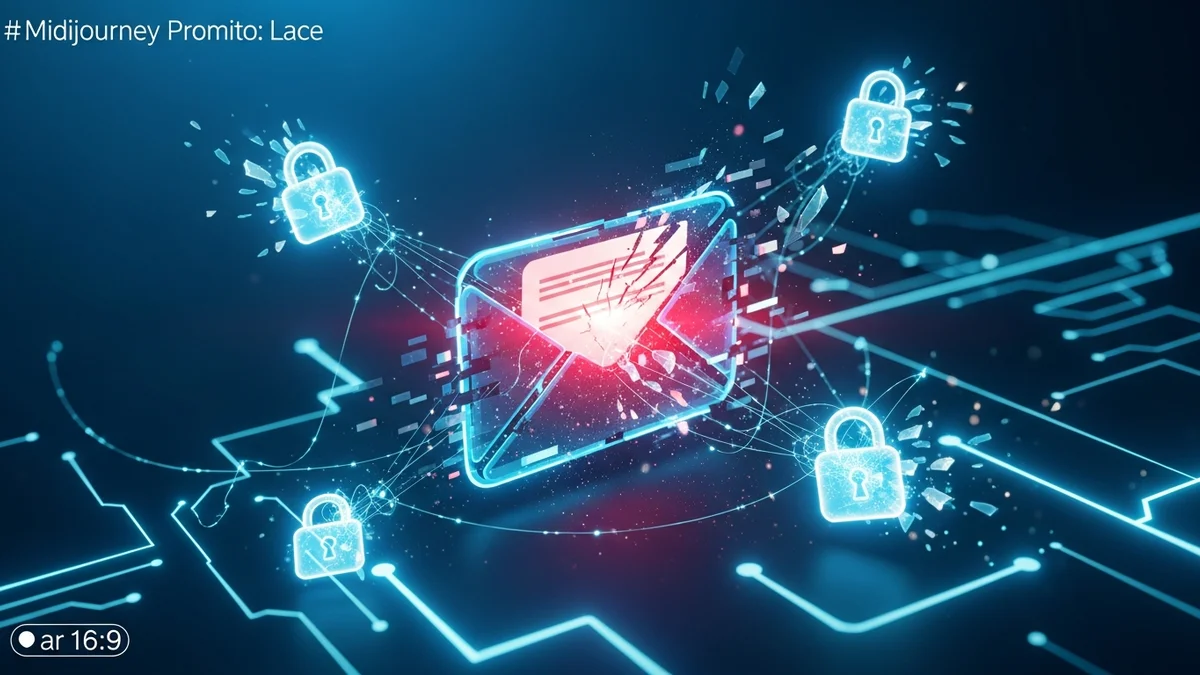
Your email address is the gateway to your digital life. It’s connected to your bank accounts, social media profiles, online shopping, cloud storage, and more. If it gets compromised, attackers can reset passwords, impersonate you, and even steal your identity.
With billions of records exposed in data breaches over the past decade, there’s a real chance your email has already appeared in a leaked database. The good news? You can check if your email address has been hacked right now — and take action immediately if needed.
Why Checking Your Email for Breaches Matters
Cybercrime is not rare. According to industry reports, more than 5 billion records are exposed globally each year through data breaches. Major companies like LinkedIn, Facebook, Yahoo, Adobe, and T-Mobile have all experienced large-scale breaches affecting millions — sometimes billions — of users.
When your email address appears in a breach, attackers may gain access to:
- Passwords (often poorly encrypted or reused)
- Phone numbers and physical addresses
- Dates of birth
- Security questions and answers
- Financial information
Even if the breach happened years ago, stolen data is frequently resold on dark web marketplaces. That means your information can resurface long after the original incident.
Checking whether your email has been compromised helps you understand your risk level and act before criminals exploit it.
How to Check If Your Email Address Has Been Hacked
The fastest and safest way to check your email is by using a reputable breach monitoring service. Tools like LeakDefend scan massive breach databases to see if your email address appears in known leaks.
Here’s how to check right now:
- Go to a trusted breach-checking platform such as LeakDefend.com
- Enter your email address
- Review the results to see which breaches (if any) include your data
LeakDefend.com lets you check all your email addresses for free and shows which companies were breached, when the incident occurred, and what type of data was exposed.
This process takes less than a minute and can reveal years of hidden exposure.
Warning Signs Your Email May Already Be Compromised
Even if you haven’t checked a breach database yet, there are common red flags that suggest your email address has been hacked:
- Password reset emails you didn’t request
- Login alerts from unfamiliar locations or devices
- Friends receiving spam messages from you
- Locked accounts due to suspicious activity
- Unusual activity in your sent folder
Attackers often use compromised email accounts to send phishing messages or attempt “credential stuffing,” where they test your email and password combination on hundreds of websites automatically.
If you reuse passwords across multiple accounts, one exposed login can unlock many other services.
What to Do Immediately If Your Email Was Breached
If a breach check shows your email was exposed, don’t panic — but act quickly.
- Change your email password immediately. Use a strong, unique password with at least 12–16 characters.
- Enable two-factor authentication (2FA). This adds a second verification step beyond your password.
- Update passwords on other accounts that used the same or similar credentials.
- Check your email forwarding rules to ensure attackers haven’t set up hidden redirects.
- Monitor financial accounts for suspicious transactions.
If the breach included sensitive information like your Social Security number or banking details, consider placing a fraud alert or credit freeze with major credit bureaus.
The key is speed. The sooner you respond, the less damage attackers can do.
How to Continuously Monitor Your Email for Future Breaches
Checking once is good. Ongoing monitoring is better.
Data breaches happen constantly. In many cases, companies don’t publicly disclose incidents until months after they occur. Continuous monitoring tools like LeakDefend alert you as soon as your email appears in newly discovered breach databases.
This early warning system allows you to:
- Change passwords before attackers exploit leaked data
- Secure accounts tied to exposed email addresses
- Reduce identity theft risk
- Track multiple email addresses in one dashboard
Proactive monitoring transforms breach detection from reactive damage control into preventive security.
How to Reduce the Risk of Future Email Hacks
While you can’t prevent companies from being breached, you can dramatically reduce your personal risk.
- Use unique passwords for every account. A password manager makes this manageable.
- Enable 2FA everywhere it’s available.
- Avoid clicking suspicious links in emails or text messages.
- Be cautious with public Wi-Fi when accessing sensitive accounts.
- Regularly review connected apps that have access to your email account.
Remember: attackers often rely on automation. If your credentials are easy to guess or reused across platforms, you become an easy target.
🔒 Check If Your Email Was Breached — Monitor up to 3 email addresses for free with LeakDefend. Start Your Free Trial →
Take Control of Your Email Security Today
Your email address is more than just a communication tool — it’s your digital identity hub. Ignoring potential breaches puts everything connected to it at risk.
Checking whether your email address has been hacked takes less than a minute, but it can prevent months — or years — of financial and personal damage. By using trusted monitoring tools like LeakDefend, enabling strong authentication, and practicing good password hygiene, you dramatically reduce your exposure.
Cybercriminals move fast. The smartest defense is knowing exactly where you stand — right now.