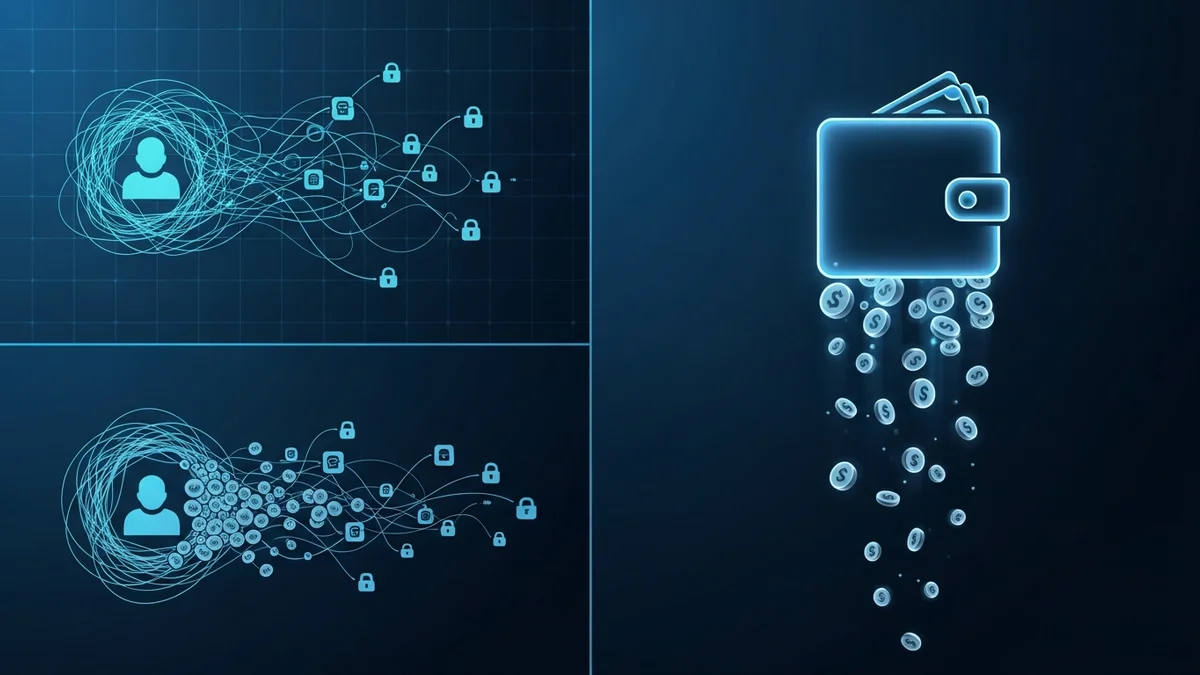
Most people underestimate how much they spend on subscriptions. Streaming platforms, cloud storage, fitness apps, meal kits, gaming passes, forgotten software trials — each charge looks small on its own. But combined, these hidden subscriptions can quietly cost you hundreds, sometimes thousands, every year.
A 2022 C+R Research study found that consumers estimated they spent around $86 per month on subscriptions. The real number? Closer to $219 per month on average. That gap — more than $1,500 per year — shows just how easy it is to lose track.
Beyond the financial drain, every unused subscription is also a potential security risk. Each account stores personal data, payment details, and passwords that could be exposed in a breach. Let’s break down where these hidden costs come from — and how to eliminate them for good.
Why Hidden Subscriptions Are So Hard to Spot
Subscription businesses are designed for convenience — and inertia. Free trials roll into paid plans. Annual renewals happen automatically. Pricing tiers quietly increase. And because charges are often small ($7.99, $12.99, $19.00), they slip under the radar.
Here’s why they’re easy to miss:
- Auto-renewals: Many services renew annually, so you only see the charge once a year.
- Multiple payment methods: Some subscriptions are tied to credit cards, others to PayPal, Apple, or Google accounts.
- Email clutter: Renewal notices get buried in promotional folders.
- Bundled services: Telecom or cloud providers add optional services you may not notice.
Companies rely on “set and forget” behavior. The longer you ignore it, the more profitable it becomes for them.
The Real Cost of Forgotten Subscriptions
Let’s say you’re paying for:
- Two streaming platforms at $15 each
- A music subscription at $11
- Cloud storage at $10
- A fitness app at $20
- An old productivity tool at $18
That’s $89 per month — or $1,068 per year. And that doesn’t include annual renewals like domain names, VPNs, software licenses, or niche hobby apps.
But money isn’t the only concern.
Each active account increases your digital footprint. According to IBM’s 2023 Cost of a Data Breach Report, the global average cost of a data breach reached $4.45 million. While companies bear the bulk of that cost, individuals pay in the form of identity theft, fraud, and account takeovers.
High-profile breaches at companies like LinkedIn, Dropbox, Adobe, and Canva exposed hundreds of millions of user records over the years. If you created an account for a free trial and forgot about it, your data may still be sitting in a vulnerable database.
Hidden Subscriptions = Hidden Security Risks
Every subscription account typically contains:
- Your full name
- Email address
- Payment details (even if partially masked)
- Password credentials
- Usage history or personal data
The more accounts you maintain, the greater your exposure. And if you reuse passwords — which 65% of people admit to doing, according to surveys by LastPass — a single breach can unlock multiple services.
This is where visibility becomes critical. Tools like LeakDefend can monitor your email addresses for known data breaches, helping you identify which forgotten subscriptions may already have been compromised. If an old streaming account was leaked in a breach years ago, you’ll want to know before attackers attempt credential stuffing on your other services.
How to Find Every Subscription You’re Paying For
If you want to stop wasting money, you need a systematic audit. Here’s how:
- Review 12 months of bank and credit card statements. Look for recurring monthly or annual charges.
- Check app store subscriptions. Apple and Google Play often hide active renewals in account settings.
- Search your inbox. Use terms like “receipt,” “subscription,” “renewal,” or “thank you for your payment.”
- Inspect PayPal and digital wallets. Many subscriptions are pre-approved payments.
- Check old email addresses. Forgotten accounts are often tied to outdated emails.
While you’re auditing, ask two simple questions:
- Have I used this in the last 30 days?
- If I canceled it today, would I truly miss it?
If the answer is no, cancel it immediately.
How to Reduce Subscription Creep Going Forward
Once you’ve cleaned up, the goal is prevention. Hidden subscriptions grow back quickly without guardrails.
- Use a dedicated payment card for subscriptions. This makes charges easy to monitor.
- Set calendar reminders before annual renewals hit.
- Cancel trials immediately after signing up. Most services allow continued access until the trial ends.
- Use unique passwords for every account. A password manager makes this practical.
- Monitor your email addresses for breaches. LeakDefend.com lets you check all your email addresses for free, helping you identify risky accounts you may want to close.
By pairing financial awareness with security monitoring, you reduce both wasted spending and digital risk.
When to Keep a Subscription (And When to Let It Go)
Not every subscription is bad. Some provide real value. The key is intentional spending.
Keep subscriptions that:
- You use weekly or daily
- Replace a more expensive alternative
- Provide measurable productivity or health benefits
Cancel subscriptions that:
- You forgot existed
- Duplicate another service
- Have increased in price without added value
- Were tied to a short-term goal you’ve already completed
Every canceled $15 subscription is $180 back in your pocket each year. Five of those? Nearly $1,000 saved.
🔒 Check If Your Email Was Breached — Monitor up to 3 email addresses for free with LeakDefend. Start Your Free Trial →
Conclusion: Take Back Control of Your Money and Your Data
Hidden subscriptions aren’t just a budgeting issue — they’re a visibility problem. Small, automatic payments add up quickly, and each unused account increases your exposure to data breaches and identity theft.
By conducting a full subscription audit, canceling what you don’t use, and monitoring your email addresses for breaches with tools like LeakDefend, you can dramatically reduce both financial waste and security risk.
The average person underestimates their subscription spending by more than 50%. Don’t let convenience quietly drain your bank account. A single afternoon of review could save you hundreds every year — and protect your digital life at the same time.