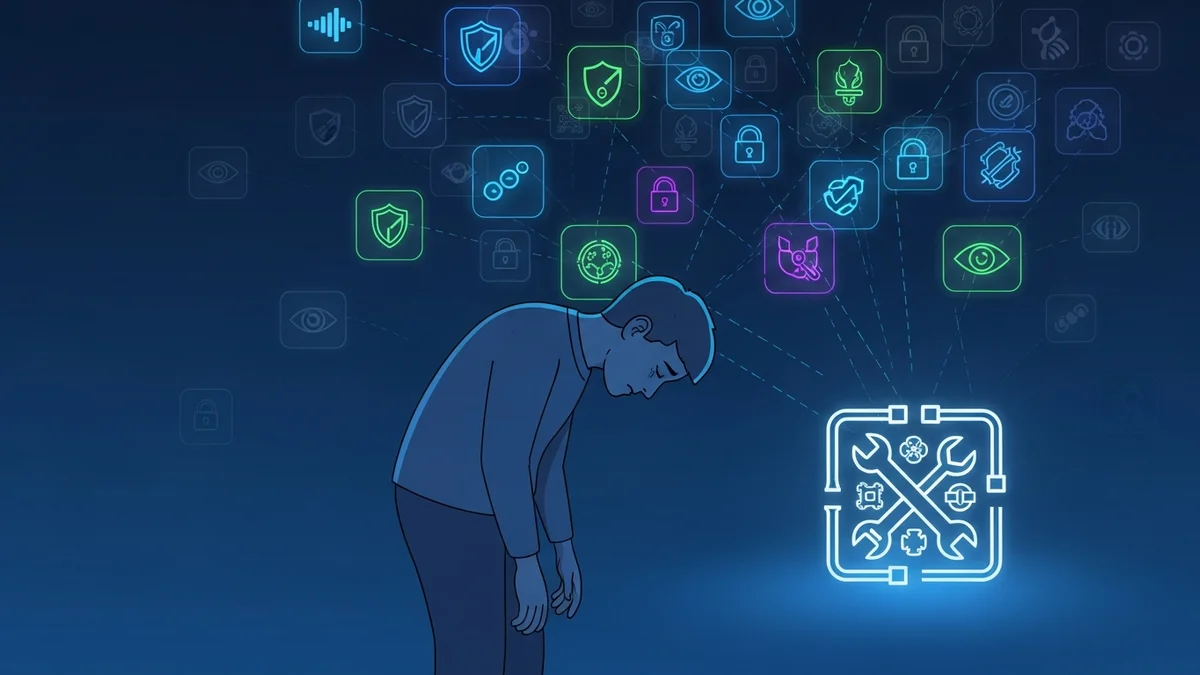
Subscription fatigue is no longer just a budgeting problem—it’s a digital security risk. From streaming platforms and meal kits to productivity apps and cloud storage, the average consumer now manages dozens of recurring subscriptions. According to recent industry reports, the average U.S. consumer spends over $270 per month on subscriptions, often underestimating the real total by $100 or more. As subscription counts grow, so do forgotten accounts, reused passwords, and exposure to data breaches.
In 2026, fighting subscription fatigue isn’t just about saving money. It’s about reducing your digital footprint, minimizing breach exposure, and protecting your identity.
What Is Subscription Fatigue?
Subscription fatigue refers to the stress and overwhelm caused by managing too many recurring digital services. It often starts innocently: a streaming trial here, a premium app upgrade there. Over time, users accumulate subscriptions across entertainment, fitness, news, software, gaming, and even connected devices.
The fatigue sets in when:
- You can’t remember how many services you’re paying for.
- Free trials quietly convert into paid plans.
- Password reset emails pile up.
- Bank statements show charges you barely recognize.
But beyond financial waste, each subscription represents something more significant: another company storing your email address, payment details, and personal data.
The Hidden Security Risk Behind Too Many Subscriptions
Every new account expands your attack surface. When companies experience data breaches, customer information is often exposed—including email addresses, hashed passwords, and sometimes billing details.
Consider major incidents in recent years:
- In 2023, a large file transfer service breach exposed data from millions of users due to a third-party vulnerability.
- Streaming platforms and online retailers have repeatedly faced credential-stuffing attacks using leaked password databases.
- Fitness apps and social platforms have exposed user profile data due to misconfigured cloud storage.
Many of these breaches become dangerous because users reuse passwords across multiple subscription services. If one low-priority subscription is compromised, attackers can attempt to access your primary email, banking apps, or cloud storage accounts.
This is where monitoring becomes critical. Tools like LeakDefend can monitor your email addresses for breaches and alert you when your data appears in known leak databases. The more subscriptions you have, the more valuable that visibility becomes.
Why Companies Design Subscriptions to Be Hard to Cancel
Subscription-based business models thrive on retention. Research consistently shows that a significant percentage of subscribers continue paying simply because cancellation is inconvenient.
Common friction tactics include:
- Multi-step cancellation flows.
- Hidden cancellation options buried in account settings.
- Mandatory customer support calls.
- Retention discounts designed to delay cancellation.
While many companies are improving transparency due to regulatory pressure, the psychological effect remains. The easier it is to subscribe, the harder it often feels to leave.
This creates a long tail of inactive accounts—services you no longer use but that still store your personal data.
How to Audit and Reduce Your Subscription Footprint
The first step in fighting subscription fatigue is a comprehensive audit. Most people underestimate how many active accounts they have.
Step 1: Review your financial statements.
Check the last three months of credit card and bank statements. Highlight every recurring charge.
Step 2: Search your inbox.
Look for keywords like “subscription,” “receipt,” “renewal,” and “free trial.” This often reveals forgotten services.
Step 3: Identify inactive accounts.
If you haven’t used a service in 60–90 days, consider canceling it.
Step 4: Delete accounts after canceling.
Canceling billing isn’t enough. Whenever possible, request full account deletion to remove stored personal data.
During this process, it’s wise to check whether any of your subscription-related email addresses have been exposed in breaches. LeakDefend.com lets you check all your email addresses for free, helping you understand which accounts may already be compromised.
Strengthen the Subscriptions You Keep
You don’t need to eliminate every subscription. Instead, secure the ones that truly add value.
- Use a password manager: Generate unique passwords for every service.
- Enable multi-factor authentication (MFA): Especially for streaming, cloud storage, and productivity tools.
- Use a dedicated subscription email: Separating primary and secondary accounts limits exposure.
- Monitor breach alerts: Early detection allows faster password changes.
Credential stuffing attacks remain one of the most common methods cybercriminals use. When attackers obtain email-password pairs from one breach, they automatically test them across dozens of other platforms. Unique credentials and breach monitoring significantly reduce this risk.
LeakDefend helps centralize this awareness by alerting you when your email appears in newly discovered leaks, allowing you to act before attackers exploit the data.
Building Sustainable Digital Habits
Subscription fatigue often reflects a deeper issue: impulsive digital consumption. Free trials and limited-time offers are engineered to create urgency.
To prevent future overload:
- Wait 24 hours before signing up for a new paid service.
- Set calendar reminders three days before trial expirations.
- Limit yourself to a fixed number of active entertainment subscriptions.
- Review subscriptions quarterly.
Think of each new subscription as both a financial commitment and a data-sharing agreement. If a service doesn’t deliver consistent value, it’s not just costing you money—it’s increasing your exposure.
🔒 Check If Your Email Was Breached — Monitor up to 3 email addresses for free with LeakDefend. Start Your Free Trial →
Conclusion: Simplify to Secure
The rise of subscription fatigue reflects a broader shift toward digital dependency. While subscriptions offer convenience and flexibility, they also multiply your digital risk.
Reducing unnecessary services lowers your financial burden and shrinks your exposure to breaches. Securing the accounts you keep—with strong passwords, MFA, and active monitoring—builds resilience against credential theft and identity fraud.
In 2026, digital security isn’t just about antivirus software. It’s about managing your online footprint intentionally. Audit your subscriptions, eliminate what you don’t need, and monitor what remains. The fewer forgotten accounts you have, the fewer doors cybercriminals can try to open.
Simplify your subscriptions—and strengthen your security at the same time.