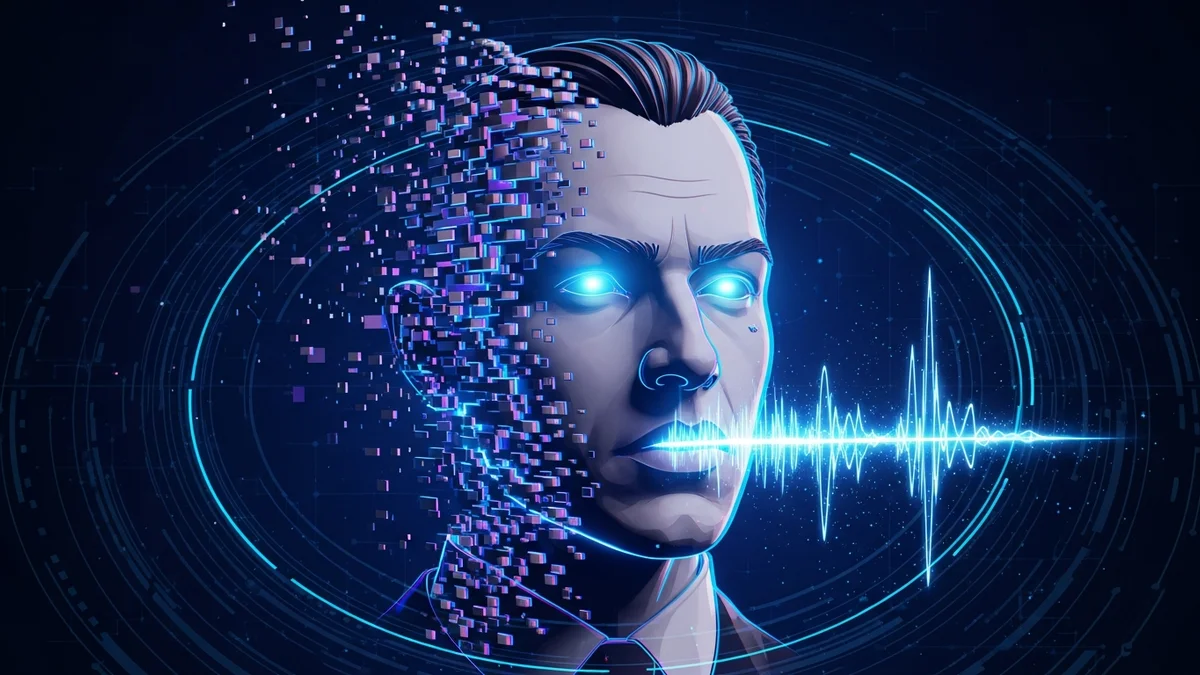
Phishing emails used to be easy to spot. Poor grammar, suspicious links, and obvious red flags gave attackers away. But today’s cybercriminals are using artificial intelligence to create something far more dangerous: deepfake phishing. Instead of a poorly written email, you might receive a phone call that sounds exactly like your CEO. Or a video message that looks and sounds like your boss asking for an urgent wire transfer.
This is not science fiction. It’s already happening—and businesses are losing millions.
Here’s what deepfake phishing is, how it works, and how you can protect yourself and your organization.
What Is Deepfake Phishing?
Deepfake phishing combines traditional social engineering with AI-generated audio or video. Attackers use machine learning models trained on publicly available voice clips or videos to mimic a real person’s voice, tone, and even facial expressions.
Unlike standard phishing emails, which rely on tricking victims into clicking malicious links, deepfake phishing often involves:
- AI-generated voice calls impersonating executives
- Fake video meetings with synthetic faces and speech
- Voicemail messages that sound convincingly real
- Hybrid attacks combining email, SMS, and voice
The goal is typically financial fraud, credential theft, or gaining access to sensitive systems. Because the request appears to come from a trusted authority figure, employees are far more likely to comply without questioning it.
Real-World Examples of Deepfake Fraud
Deepfake-enabled fraud is no longer theoretical. In 2019, criminals used AI-based voice cloning to impersonate a CEO of a UK energy firm. According to reports from The Wall Street Journal, the company’s managing director transferred approximately $243,000 after receiving a phone call that perfectly mimicked his boss’s voice.
In 2024, a multinational company in Hong Kong reportedly lost $25 million after scammers used deepfake video conferencing to impersonate multiple senior executives during a live call. Employees believed they were attending a legitimate internal meeting.
Meanwhile, the FBI has repeatedly warned that AI-generated content is being used in business email compromise (BEC) scams. The FBI’s Internet Crime Complaint Center (IC3) reported over $2.9 billion in losses from BEC scams in 2023 alone. As generative AI tools become more accessible, these numbers are expected to grow.
The frightening reality is that attackers no longer need to “hack” systems. They can simply manipulate people.
Why Deepfake Phishing Is So Effective
Traditional phishing relies on deception through text. Deepfake phishing exploits something more powerful: human trust.
Here’s why it works so well:
- Authority bias: Employees are conditioned to follow executive instructions quickly.
- Urgency tactics: Requests often involve confidential acquisitions, legal issues, or time-sensitive transfers.
- Emotional realism: Hearing a familiar voice reduces skepticism.
- Remote work environments: Distributed teams rely heavily on digital communication, making impersonation easier.
In remote or hybrid workplaces, verifying a colleague’s identity isn’t as simple as walking down the hall. Attackers exploit this gap.
Additionally, many deepfake scams begin with data gathered from previous breaches. If an attacker already has access to internal email threads or leaked credentials, they can craft far more believable scenarios. That’s why monitoring exposed data is critical. Tools like LeakDefend can monitor your email addresses for breaches, alerting you before attackers use leaked information to launch targeted attacks.
How Attackers Create Deepfake Content
Creating a convincing deepfake no longer requires advanced technical expertise. Open-source AI tools and commercial platforms can clone a voice with just a few minutes of audio.
Attackers typically follow these steps:
- Collect voice samples from interviews, earnings calls, podcasts, or social media videos
- Train an AI model to replicate speech patterns and tone
- Script a convincing scenario aligned with company operations
- Launch the attack via phone call, voice note, or video meeting
Public-facing executives are particularly vulnerable because their voice and video recordings are widely available online.
The barrier to entry is falling fast. Generative AI platforms can now produce near-real-time voice responses, allowing attackers to simulate live conversations.
How to Protect Your Organization from Deepfake Phishing
While the technology is advanced, prevention still relies on strong security fundamentals.
- Implement strict verification protocols: Require multi-person approval for wire transfers and financial requests.
- Use callback verification: Confirm sensitive requests using previously known phone numbers, not those provided in the message.
- Limit public exposure: Reduce unnecessary publication of executive voice and video content.
- Conduct employee training: Teach teams about AI-driven impersonation threats.
- Strengthen email security: Use DMARC, SPF, and DKIM to reduce email spoofing risks.
- Monitor data breaches: Prevent attackers from leveraging leaked credentials for highly targeted scams.
Early breach detection plays a crucial role here. If employee credentials are exposed in a third-party data breach, attackers may use that information to craft personalized deepfake attacks. LeakDefend.com lets you check all your email addresses for free and receive alerts if they appear in known breaches, helping you close gaps before criminals exploit them.
Organizations should also establish a culture where employees feel safe questioning unusual executive requests. Verification should be encouraged—not punished.
The Future of AI-Powered Social Engineering
Deepfake phishing is part of a broader shift toward AI-powered social engineering. As generative AI models improve, attacks will become more personalized and scalable.
We are likely to see:
- Real-time multilingual voice cloning
- Automated AI-driven scam call centers
- Highly personalized video messages crafted from social media data
- Blended attacks combining deepfake voice, SMS, and email in coordinated campaigns
Cybersecurity experts warn that technical defenses alone are not enough. Identity verification processes, employee awareness, and proactive breach monitoring must evolve alongside AI threats.
Businesses that treat deepfake phishing as a theoretical risk may find themselves unprepared when a convincing “CEO call” demands immediate action.
🔒 Check If Your Email Was Breached — Monitor up to 3 email addresses for free with LeakDefend. Start Your Free Trial →
Conclusion
Deepfake phishing represents a new era of cybercrime—one where seeing and hearing is no longer believing. By combining AI-generated voices and video with classic social engineering tactics, attackers are bypassing traditional defenses and exploiting human trust.
The financial and reputational damage can be devastating, but prevention is possible. Strong verification procedures, employee education, and proactive breach monitoring significantly reduce the risk. Platforms like LeakDefend add another critical layer of defense by alerting you when your email addresses appear in data breaches—often the first step attackers take before launching targeted impersonation scams.
As AI continues to advance, skepticism and verification must become standard practice. If a call sounds exactly like your boss asking for urgent action, pause. Verify. And remember: in the age of deepfakes, trust must be earned—not assumed.