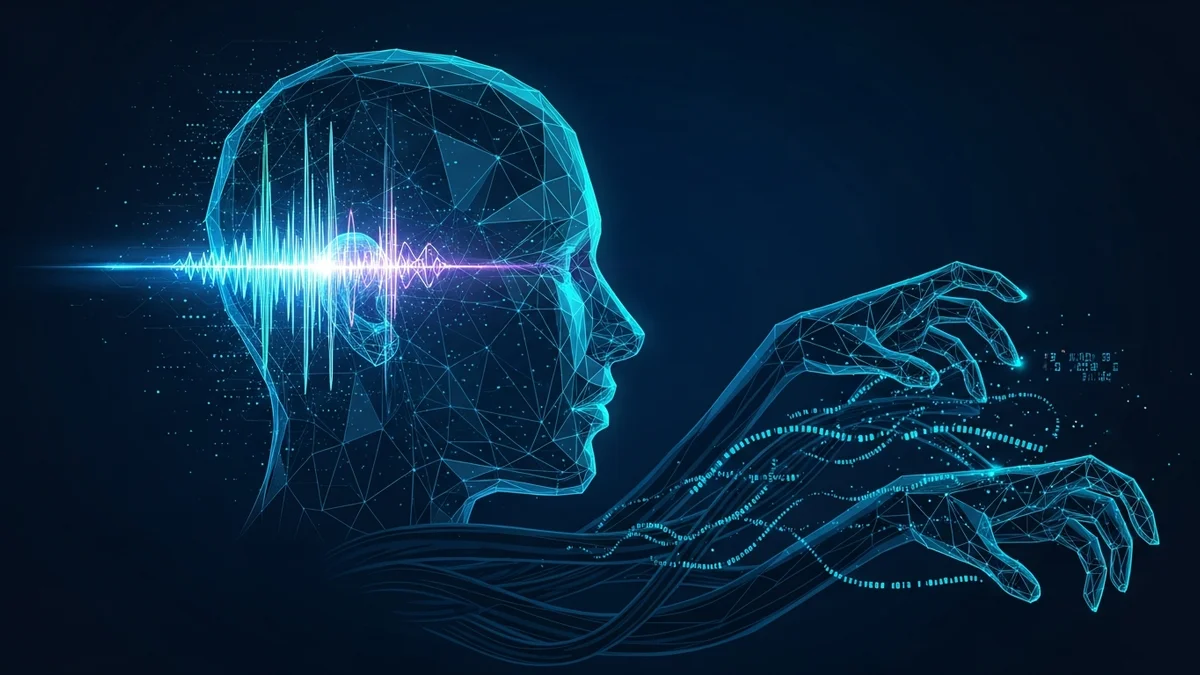
Phishing emails used to be easy to spot. Broken grammar, strange links, and suspicious attachments were obvious red flags. But a new generation of scams is changing the game. Deepfake phishing uses artificial intelligence to clone voices and even generate realistic video, allowing attackers to impersonate executives, managers, and trusted colleagues with alarming accuracy.
This isn’t science fiction. It’s already costing companies millions — and it’s becoming more common as AI tools become cheaper and more accessible.
What Is Deepfake Phishing?
Deepfake phishing is a social engineering attack where criminals use AI-generated audio or video to impersonate a real person, usually someone in authority. Instead of sending a suspicious email, attackers may:
- Call an employee using a cloned voice that sounds like their CEO
- Send a voice note requesting an urgent wire transfer
- Host a fake video meeting using manipulated footage
The goal is the same as traditional phishing: trick someone into transferring money, sharing credentials, or revealing sensitive data. The difference is the level of realism.
In 2019, criminals used AI-based voice cloning to impersonate a German energy company’s CEO. The result? A fraudulent transfer of approximately $243,000. Since then, similar incidents have been reported globally, with losses reaching into the millions.
According to the FBI, business email compromise (BEC) scams caused over $2.7 billion in reported losses in 2022 alone. Deepfake phishing is rapidly becoming a powerful extension of these schemes.
Why Deepfake Attacks Are So Convincing
AI voice cloning tools now require only a few seconds of audio to replicate someone’s speech patterns. Public interviews, YouTube videos, podcasts, and even voicemail greetings provide enough material for attackers to work with.
Here’s why deepfake phishing is especially dangerous:
- Authority bias: Employees are conditioned to respond quickly to executives.
- Urgency: Attackers create high-pressure scenarios like confidential acquisitions or emergency payments.
- Familiarity: The voice sounds real — including tone, pacing, and accent.
- Remote work environments: With distributed teams, unusual communication methods are less suspicious.
When a “CEO” calls asking for an urgent wire transfer before a board meeting, employees may act first and verify later — especially if the voice sounds authentic.
Real-World Deepfake Phishing Examples
Deepfake-enabled fraud isn’t theoretical. Several high-profile cases highlight how quickly this threat is evolving:
- UK Energy Firm Scam (2019): AI-generated voice impersonated a parent company executive, leading to a six-figure transfer.
- Hong Kong Bank Incident (2020): A company executive was tricked into transferring $35 million after a deepfake-enabled video call impersonated multiple colleagues.
- Rising BEC Evolution: Security researchers have reported increasing instances of voice cloning layered onto traditional phishing emails.
What makes these cases particularly concerning is that many victims reported the voice sounding "exactly like" the real person.
How Deepfake Phishing Starts With Data Exposure
Deepfake phishing doesn’t happen in isolation. Attackers often gather information from previous data breaches, leaked credentials, and exposed contact lists. The more they know about your organization, the more believable their impersonation becomes.
If an employee’s email address, job title, or phone number appears in a breach, it can become a launching point for targeted attacks. Publicly available LinkedIn data further helps criminals map reporting structures.
This is why proactive monitoring matters. Tools like LeakDefend can monitor your email addresses for breaches and alert you if your data appears in known leaks. Early awareness reduces the risk of attackers using exposed credentials as part of a larger deepfake phishing campaign.
LeakDefend.com lets you check all your email addresses for free, helping you identify vulnerabilities before criminals exploit them.
How to Protect Your Organization From Deepfake Phishing
While the technology behind deepfakes is advanced, the defenses are practical and achievable.
- Implement strict payment verification processes: Require multi-person approval for large transfers.
- Establish verbal passphrases: Executives and finance teams can agree on pre-set authentication phrases.
- Use call-back verification: Confirm unusual requests by calling the person back using a known internal number.
- Train employees on AI-based threats: Update security awareness training to include deepfake scenarios.
- Monitor exposed data: Track email addresses and credentials for breach exposure using services like LeakDefend.
Technology alone won’t solve this problem. Process discipline and employee awareness are equally important.
Red Flags That a Voice or Video Might Be Fake
Deepfakes are convincing, but not perfect. Watch for these warning signs:
- Slight audio delays or unnatural speech cadence
- Unusual urgency that bypasses standard procedures
- Requests for secrecy that override policy
- Minor visual glitches in video calls (lip-sync mismatch, lighting inconsistencies)
Even if the voice sounds real, the behavior may not align with established company norms. Encourage employees to trust process over pressure.
The Future of Phishing Is Synthetic
AI-generated content is improving rapidly. As voice and video cloning become more accessible, deepfake phishing will likely increase in both frequency and sophistication.
Regulators and cybersecurity firms are racing to develop detection tools, but prevention still depends largely on organizational controls and visibility into exposed data. Knowing what information about your team is already circulating online is a powerful defensive advantage.
Monitoring platforms like LeakDefend help individuals and businesses track whether their email addresses have been exposed in data breaches — often the first step attackers take before launching highly targeted scams.
🔒 Check If Your Email Was Breached — Monitor up to 3 email addresses for free with LeakDefend. Start Your Free Trial →
Conclusion: Trust, But Verify
Deepfake phishing represents a shift from crude deception to highly personalized manipulation. When a scam sounds exactly like your boss, instinct alone is no longer enough.
The solution isn’t paranoia — it’s procedure. Verify financial requests. Monitor exposed data. Train employees on evolving threats. And most importantly, remove urgency from decisions involving money or sensitive information.
In a world where AI can replicate a voice in seconds, security depends less on what you hear — and more on what you verify.