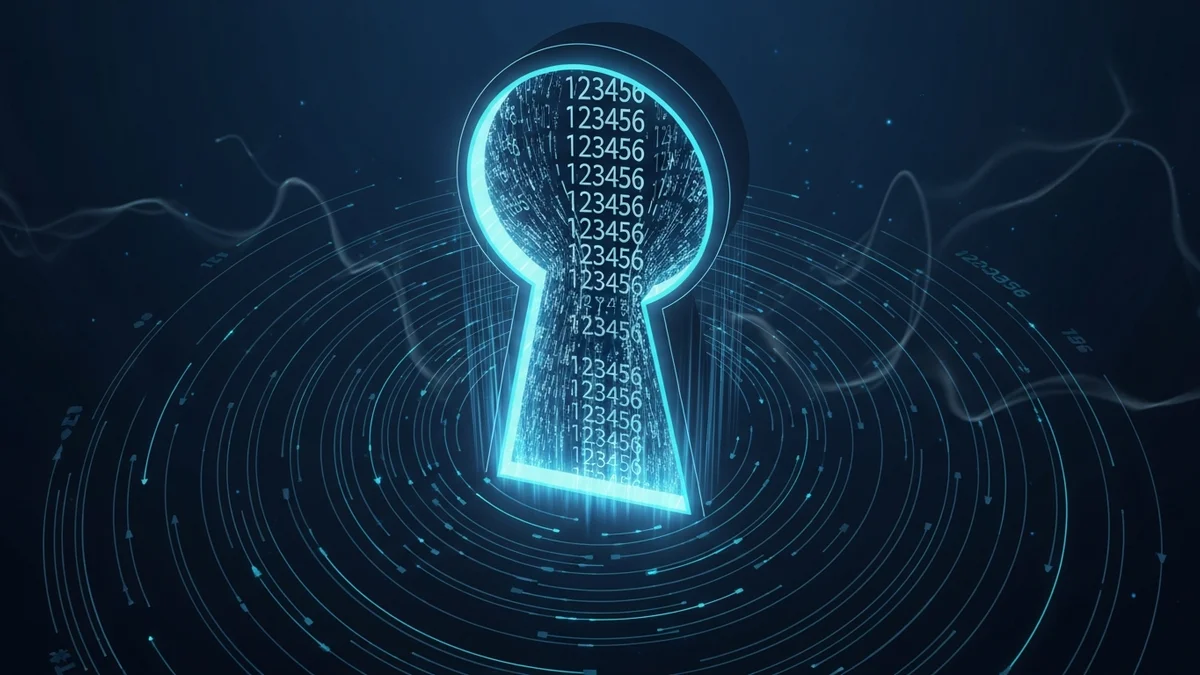
Despite decades of cybersecurity warnings, "123456" continues to rank as the most common password in the world. Year after year, security researchers analyze leaked databases from major breaches—and the same weak passwords keep appearing at the top of the list.
According to annual reports from companies like NordPass and SplashData, "123456" has consistently held the number one or number two spot globally. In some breach datasets, it has appeared millions of times. That means millions of people are still relying on one of the easiest passwords to guess.
But why does this happen in 2026, when data breaches make headlines almost daily? And more importantly, what does it mean for your personal security?
The Psychology Behind Weak Passwords
Humans are wired for convenience. Strong passwords—long, random, and unique—are difficult to remember. "123456" is simple, fast to type, and nearly impossible to forget. That combination makes it dangerously appealing.
Many users underestimate their risk. They assume:
- "No one would target me specifically."
- "This account isn’t important."
- "I’ll change it later."
The problem is that most attacks today aren’t personal. They’re automated. Cybercriminals use scripts that test billions of username and password combinations across websites. When "123456" works—and it often does—it grants immediate access.
Convenience beats caution far too often. And attackers know it.
Data Breaches Keep Recycling the Same Passwords
Massive breaches over the past decade—from LinkedIn (2012, 164 million accounts exposed) to Yahoo (3 billion accounts affected) to more recent platform leaks—have revealed a consistent pattern: weak passwords dominate.
When researchers analyze leaked credential dumps, they repeatedly find passwords like:
- 123456
- password
- 123456789
- qwerty
- 111111
This creates a compounding security problem. Once "123456" appears in one breach, attackers add it to their credential-stuffing lists. They then try it across thousands of other platforms, knowing many users reuse passwords.
Tools like LeakDefend help address this ripple effect by monitoring whether your email addresses appear in known breach databases. Because once your credentials are exposed—even from a "small" site—they can be weaponized elsewhere.
The Real Risk: Credential Stuffing and Account Takeover
The biggest danger isn’t just that "123456" is easy to guess. It’s that password reuse multiplies the damage.
Credential stuffing attacks use automated bots to test stolen email/password combinations across major services—banking, streaming, e-commerce, and social media. If you’ve used "123456" (or any weak password) in multiple places, one breach can unlock many accounts.
This leads to:
- Financial theft from payment or banking platforms
- Identity fraud using personal data
- Subscription hijacking and resale of accounts
- Email compromise, which can reset other passwords
In 2023 alone, billions of credential pairs circulated on cybercrime forums. Attackers don’t need to "hack" you directly—they just test what’s already been leaked.
If your email has appeared in a breach tied to weak credentials, LeakDefend.com lets you check all your email addresses for free and receive alerts when new exposures occur. Early awareness dramatically reduces damage.
Why Education Hasn’t Fixed the Problem
Given how often experts warn against weak passwords, why does "123456" still dominate?
There are several reasons:
- Password fatigue: The average person manages 100+ online accounts.
- Poor user experience: Complex password requirements frustrate users.
- Lack of enforcement: Some websites still allow extremely weak passwords.
- False sense of security: People assume breaches won’t affect them.
Even when platforms implement minimum complexity rules, users often adapt with predictable variations like "12345678!" or "Password123." Attackers anticipate these patterns.
Real security requires a shift from memory-based passwords to system-based solutions—like password managers and multi-factor authentication (MFA).
What You Should Do Instead
If "123456" is still common, the good news is that protecting yourself isn’t complicated. It just requires better habits and the right tools.
- Use a password manager: Generate long, random, unique passwords for every account.
- Enable multi-factor authentication (MFA): Even if your password leaks, attackers can’t log in without the second factor.
- Stop reusing passwords: One account = one unique password.
- Monitor for breaches: Don’t wait until suspicious activity appears.
Services like LeakDefend continuously monitor breach databases and notify you if your email address is exposed in newly discovered leaks. That gives you time to change passwords before attackers exploit them.
Think of it as an early-warning system for your digital identity.
What "123456" Really Tells Us About Online Security
The persistence of "123456" isn’t just about laziness. It reveals a broader truth: most people prioritize convenience until consequences become immediate.
Cybersecurity experts have improved encryption, authentication protocols, and detection systems. But user behavior remains the weakest link. Attackers exploit predictable human patterns far more than technical flaws.
The solution isn’t shaming users—it’s making security easier than insecurity. Password managers, passkeys, and automated breach monitoring are steps in that direction.
🔒 Check If Your Email Was Breached — Monitor up to 3 email addresses for free with LeakDefend. Start Your Free Trial →
Conclusion
"123456" remains the most common password because it’s simple, memorable, and effortless. Unfortunately, it’s also one of the most dangerous choices you can make online.
Every year, fresh breach data confirms the same pattern: weak passwords fuel automated attacks, credential stuffing, and account takeovers. In a world where billions of leaked credentials circulate on the dark web, relying on "123456" is like leaving your front door wide open.
The good news? You don’t need to be a cybersecurity expert to stay safe. Use a password manager. Enable multi-factor authentication. And monitor your email addresses for breaches using trusted tools.
Because while "123456" may still top the charts, your password doesn’t have to.