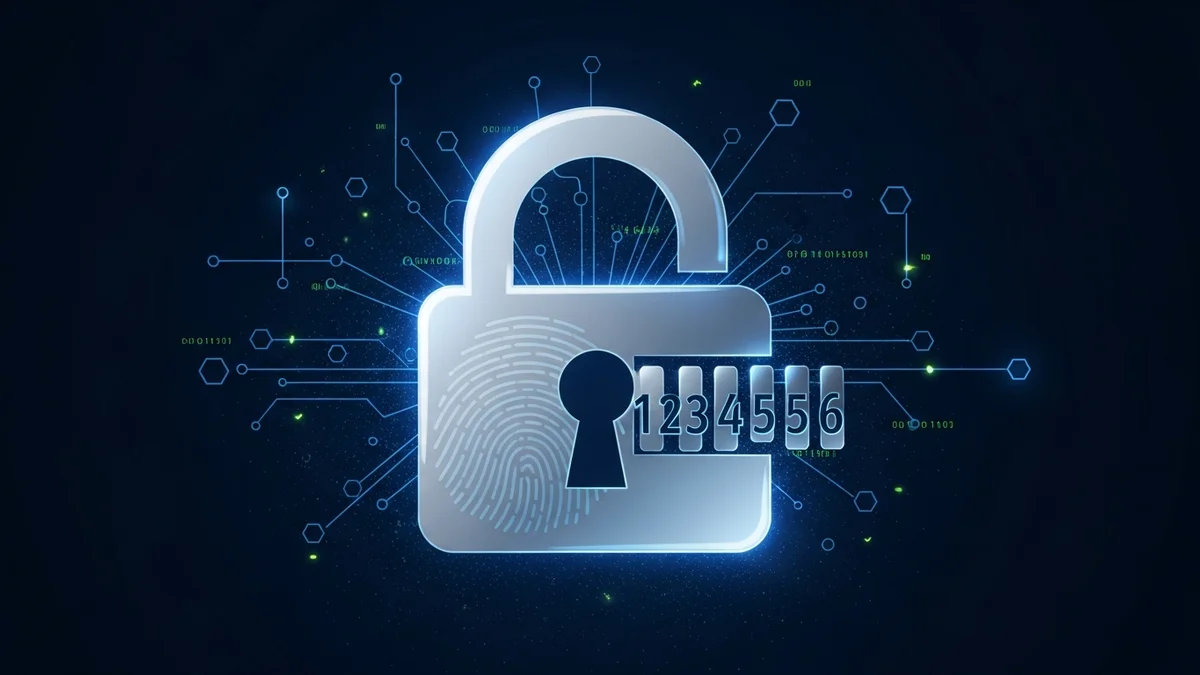
It’s 2026—and somehow, “123456” is still the most common password in the world.
Year after year, major password reports from companies like NordPass, SplashData, and Verizon show the same trend: millions of people continue using incredibly weak passwords despite decades of security warnings. In multiple annual studies analyzing leaked credentials, “123456” and “password” consistently top the list.
This isn’t just a funny internet statistic. It’s a serious cybersecurity problem. Weak passwords are one of the primary entry points for data breaches, account takeovers, and identity theft. If attackers can guess your password in less than a second, they don’t need advanced hacking tools — they just need opportunity.
So why does “123456” still dominate? And what does that mean for your online security?
Weak Passwords Are Still Everywhere
Every year, security researchers analyze billions of leaked credentials from data breaches. The results are consistently alarming.
- “123456” has appeared in millions of breached accounts globally.
- “password,” “qwerty,” and “111111” remain close behind.
- Many commonly used passwords can be cracked in under one second using basic brute-force tools.
According to Verizon’s Data Breach Investigations Report, stolen or weak credentials are involved in the majority of hacking-related breaches. Attackers don’t always “hack” systems in a dramatic way. Often, they simply log in using credentials already exposed in previous leaks.
When passwords are predictable, attackers can automate login attempts across thousands of websites in what’s known as credential stuffing. If you reuse “123456” across multiple platforms, one breach can unlock your entire digital life.
Why Do People Still Use “123456”?
It’s easy to blame carelessness, but the reality is more nuanced. Human psychology plays a major role in password behavior.
Convenience beats security. People manage dozens — sometimes hundreds — of online accounts. Remembering complex, unique passwords for each one feels overwhelming. So users default to something simple.
Perceived low risk. Many people assume their accounts aren’t valuable enough to target. But attackers don’t handpick victims individually; they use automated tools that test billions of combinations across millions of accounts.
Password fatigue. Constant password resets, complexity requirements, and account lockouts frustrate users. Over time, they prioritize ease over strength.
Misunderstanding of threats. Some believe that if a website “seems secure,” their simple password is fine. In reality, even major companies suffer breaches. LinkedIn, Adobe, Yahoo, and countless others have exposed billions of credentials over the past decade.
When those databases leak, weak passwords are instantly exposed — and quickly exploited.
The Real-World Consequences of Weak Passwords
Using “123456” might seem harmless — until it isn’t.
Here’s what can happen when weak passwords are exposed in a breach:
- Account takeovers: Attackers lock you out and change recovery information.
- Financial fraud: Access to banking, payment apps, or crypto accounts can lead to direct theft.
- Identity theft: Personal data from breached accounts is used to open loans or credit lines.
- Email compromise: Once attackers control your email, they can reset passwords everywhere else.
One of the biggest dangers is password reuse. If you use “123456” for a small forum account and that forum gets breached, attackers will test the same credentials on Gmail, Netflix, PayPal, and Amazon. This automated process has fueled millions of account takeover attacks worldwide.
That’s why monitoring matters. Tools like LeakDefend can alert you when your email address appears in a data breach, giving you a chance to secure your accounts before attackers exploit them.
The Role of Massive Data Breaches
Data breaches are no longer rare events. They are constant.
Over the past decade:
- Yahoo disclosed breaches affecting 3 billion accounts.
- LinkedIn saw hundreds of millions of credentials leaked.
- Collection-style breaches have aggregated billions of username-password pairs for sale on dark web forums.
Many of these leaked credentials included shockingly simple passwords. Attackers compile them into searchable databases and use automated scripts to test them against popular services.
Even if you created “123456” years ago and forgot about it, it could still exist in breach archives today. That’s why checking your exposure is critical. LeakDefend.com lets you check all your email addresses for free and monitor up to three for ongoing breach alerts.
The threat isn’t hypothetical — it’s measurable and ongoing.
What “123456” Says About Cybersecurity Culture
The persistence of “123456” reveals a broader issue: security advice hasn’t fully aligned with human behavior.
For years, users were told to create complex passwords with symbols, numbers, and uppercase letters — and to change them frequently. The result? People created slightly modified versions of simple passwords, like “123456!” or “Password1.” These are just as predictable to modern cracking tools.
Today, security experts recommend a different approach:
- Use long, unique passphrases instead of short complex strings.
- Enable multi-factor authentication (MFA) wherever possible.
- Use a password manager to generate and store strong credentials.
- Regularly monitor for breach exposure.
Strong security isn’t about memorizing chaos — it’s about building systems that reduce human error.
How to Protect Yourself Right Now
If you’re unsure whether you’ve ever used a weak password, assume you have — and take action:
- Change any simple or reused passwords immediately.
- Start with your email, banking, and primary social media accounts.
- Turn on MFA everywhere it’s offered.
- Check whether your email addresses have appeared in known breaches.
Proactive monitoring makes a major difference. With services like LeakDefend, you’re alerted when your credentials show up in new breach datasets, giving you time to respond before criminals act.
🔒 Check If Your Email Was Breached — Monitor up to 3 email addresses for free with LeakDefend. Start Your Free Trial →
Conclusion: “123456” Is a Symptom — Not the Problem
The fact that “123456” remains the most common password isn’t just a joke — it’s a warning sign.
It reflects password fatigue, poor security habits, and a misunderstanding of how modern cyberattacks work. Attackers don’t need sophistication when millions of accounts are protected by combinations that can be guessed instantly.
The good news? This is one of the easiest security risks to fix. Strong, unique passwords, multi-factor authentication, and breach monitoring dramatically reduce your risk.
In a world where data breaches happen daily, the safest assumption is that your information will eventually be exposed somewhere. The real question is whether you’ll know about it in time — and whether your passwords are strong enough to withstand it.
“123456” may still top the charts. But it doesn’t have to be yours.