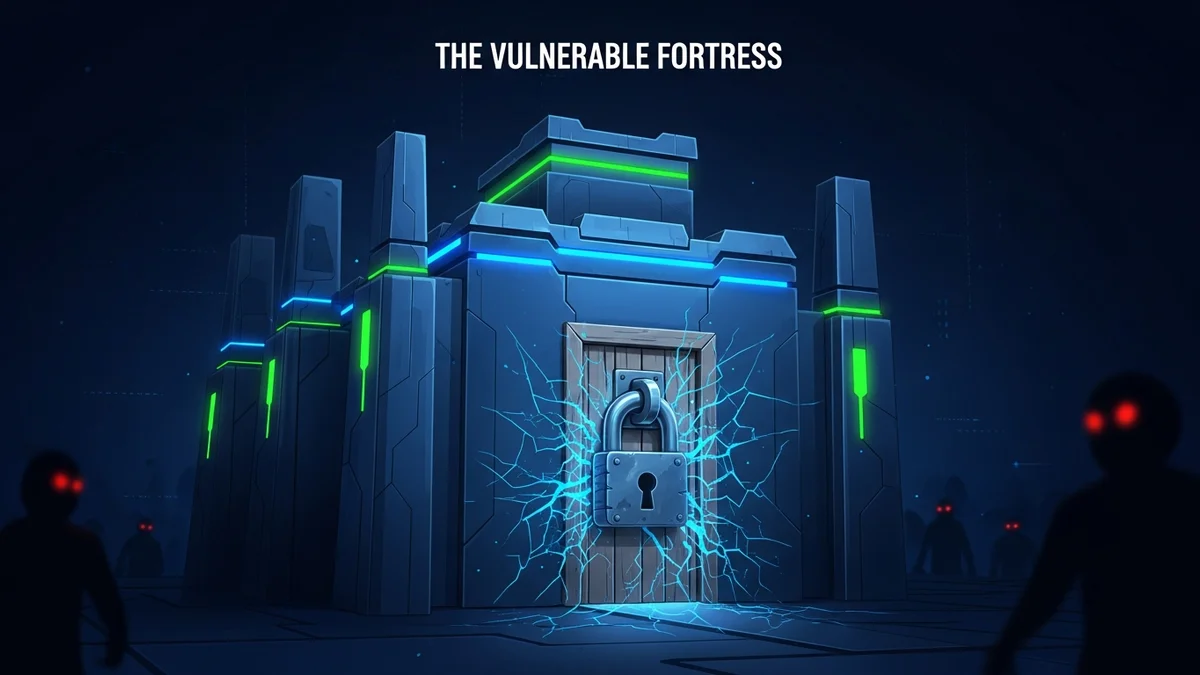
It’s hard to believe, but in 2025, “123456” is still the most common password in the world. Year after year, security researchers publish lists of the most frequently used passwords, and year after year, this simple six-digit sequence tops the chart.
According to NordPass and other password management studies analyzing leaked databases, “123456” has appeared millions of times across breach datasets. Other common entries include “password,” “123456789,” and “qwerty.” These aren’t just minor mistakes—they represent a massive, ongoing vulnerability affecting everyday users and businesses alike.
So why does this keep happening? And more importantly, what does it mean for your digital security?
Why “123456” Refuses to Die
On the surface, it seems absurd. Everyone knows simple passwords are insecure. So why do millions of people still use them?
- Convenience over security: People prioritize speed and memorability. “123456” takes seconds to type and is impossible to forget.
- Password fatigue: The average person has over 100 online accounts. Remembering dozens of complex passwords feels overwhelming.
- False sense of safety: Users often assume, “No one would target me.”
- Temporary passwords that become permanent: Some users set a simple password “just for now” and never update it.
Human behavior hasn’t evolved as quickly as cyber threats. While security awareness campaigns have improved, convenience still wins in daily decision-making.
The Real-World Consequences of Weak Passwords
Using “123456” isn’t just a personal risk—it contributes to large-scale security incidents.
Data breaches over the past decade have exposed billions of credentials. Major breaches such as LinkedIn (over 160 million records), Adobe (153 million accounts), and Yahoo (3 billion accounts) revealed just how common weak passwords were. Once attackers obtain leaked databases, they analyze them to identify patterns and frequently used passwords.
This feeds into credential stuffing attacks, where hackers use stolen email-password combinations to attempt logins across other platforms. If you reuse “123456” on multiple accounts, one breach can unlock your entire digital life.
Automated tools can test thousands of password combinations per second. “123456” can be cracked almost instantly in a brute-force attack. In fact, cybersecurity experts estimate that such a password would take less than a second to guess using modern hardware.
That means:
- Your email could be hijacked.
- Your bank or payment accounts could be accessed.
- Your social media profiles could be taken over.
- Your identity could be used for fraud.
Why Breached Passwords Keep Circulating
One of the biggest problems isn’t just weak passwords—it’s password reuse. When a breach occurs, attackers don’t just use the data once. They trade and sell credential databases on dark web forums, where they are repackaged and redistributed repeatedly.
For example, the “Collection #1” breach compilation discovered in 2019 contained over 773 million unique email addresses and 21 million passwords. Many of those passwords were simple sequences like “123456.” These credentials continue to circulate years later.
This creates a dangerous cycle:
- A user sets a weak password.
- The site gets breached.
- The credentials are sold online.
- Attackers test them on banking, shopping, and email platforms.
Even if you created “123456” ten years ago and forgot about it, it could still be putting you at risk today.
This is where proactive monitoring matters. Tools like LeakDefend can monitor your email addresses against known breach databases, alerting you if your credentials have been exposed so you can act quickly.
The Psychology Behind Weak Password Choices
Understanding why people choose “123456” requires looking at psychology, not just technology.
Studies show that people systematically underestimate their likelihood of being targeted. Cybercrime feels abstract. There’s no visible thief, no broken window—just a login screen.
Additionally, security advice often conflicts with usability. For years, users were told to:
- Create long, complex passwords.
- Include symbols, uppercase letters, and numbers.
- Avoid reusing passwords.
- Change passwords regularly.
Without password managers, this becomes nearly impossible to manage mentally. So users revert to simple, repeatable patterns.
The solution isn’t shaming users. It’s creating systems that make strong security easier than weak security.
What You Should Do Instead
If you’re still using simple passwords—or reusing them—now is the time to change course.
- Use a password manager: These tools generate and store strong, unique passwords for every account.
- Create long passphrases: A phrase like “BlueCoffeeRain!Train92” is far stronger and easier to remember than “123456.”
- Enable multi-factor authentication (MFA): Even if your password is exposed, MFA adds another barrier.
- Monitor for breaches: Regularly check whether your email addresses appear in leaked databases.
LeakDefend.com lets you check all your email addresses for free and receive alerts if they appear in known data breaches. Early detection dramatically reduces the risk of account takeover and identity theft.
Remember: security is no longer just about creating a password. It’s about maintaining visibility over your digital footprint.
What “123456” Really Says About Online Security
The fact that “123456” remains the most common password isn’t just a joke—it’s a warning sign. It shows that despite growing awareness, there is still a significant gap between knowledge and action.
Cybercriminals don’t need sophisticated zero-day exploits when millions of users voluntarily choose passwords that can be guessed instantly. Weak credentials remain one of the easiest and most profitable attack vectors.
But the good news is this: password-related risk is one of the most preventable forms of cybercrime. With modern tools, stronger authentication methods, and breach monitoring services like LeakDefend, individuals can dramatically reduce their exposure.
🔒 Check If Your Email Was Breached — Monitor up to 3 email addresses for free with LeakDefend. Start Your Free Trial →
Conclusion
“123456” continues to top password lists because human habits are hard to break. Convenience, repetition, and digital overload make simple choices appealing—even when we know better.
But in a world where billions of credentials are circulating online, a weak password is no longer a minor oversight. It’s an open door.
Strong, unique passwords combined with multi-factor authentication and proactive breach monitoring can close that door for good. The next time you create a password, remember: attackers are counting on you to choose “123456.” Prove them wrong.