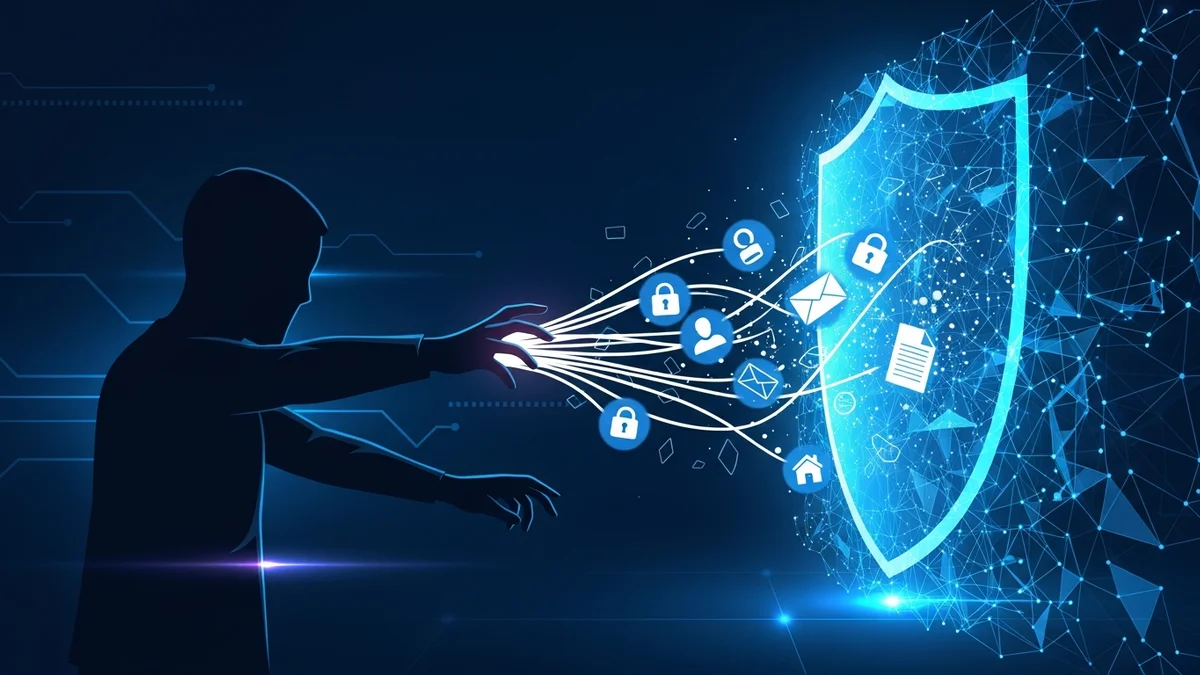
Doxxing is no longer a niche internet threat — it’s a mainstream privacy risk. From online arguments escalating into harassment to coordinated campaigns targeting journalists, gamers, or activists, doxxing can expose deeply personal information in seconds. Once your data is public, controlling the fallout becomes incredibly difficult.
Understanding what doxxing is and how to protect yourself is essential in a world where billions of personal records are already circulating online due to data breaches. Here’s what you need to know — and how to stay ahead of the risk.
What Is Doxxing?
Doxxing (sometimes spelled “doxing”) refers to the act of publicly revealing someone’s private or identifying information without their consent, usually with malicious intent. The term comes from “dropping docs,” meaning publishing documents about someone.
Information shared in a doxxing attack may include:
- Full name and home address
- Phone number and email address
- Workplace details
- Family member information
- Social Security numbers or financial data
- Private messages or photos
Doxxing often leads to harassment, identity theft, stalking, swatting (false emergency reports sent to police), and long-term reputational damage. In severe cases, it can escalate into real-world threats.
While doxxing itself may not always be explicitly illegal, many actions associated with it — such as stalking, harassment, identity theft, or inciting violence — are criminal offenses in many jurisdictions.
How Does Doxxing Happen?
Doxxing rarely involves “hacking” in the Hollywood sense. More often, it’s the result of piecing together information that already exists online.
Common sources of doxxing data include:
- Data breaches: Massive leaks like the 2017 Equifax breach (147 million people affected) or the 2013 Yahoo breach (3 billion accounts) exposed names, emails, and other personal data that still circulate today.
- Social media oversharing: Public posts, geotagged photos, and visible friend lists can reveal more than you think.
- People-search databases: Data broker sites aggregate addresses, phone numbers, and relatives.
- WHOIS domain records: Personal details tied to website registrations.
- Phishing attacks: Attackers trick individuals into revealing sensitive information directly.
In many cases, attackers combine leaked database information with social media clues to build a complete profile. If your email address has appeared in multiple breaches, it becomes significantly easier for someone to trace additional details about you.
This is why proactive monitoring matters. Tools like LeakDefend can monitor your email addresses for known breaches, helping you identify exposure before it’s weaponized in a doxxing attempt.
Why Doxxing Is So Dangerous
The danger of doxxing lies in how quickly it spirals. Once personal information is shared publicly — especially on social platforms or forums — it spreads rapidly and is nearly impossible to retract.
Consequences can include:
- Harassment campaigns: Coordinated abuse via calls, texts, or emails.
- Swatting incidents: False reports to law enforcement resulting in armed responses.
- Identity theft: Criminals using exposed data to open accounts or commit fraud.
- Job loss or reputational damage: Employers may react to viral controversies.
- Emotional distress: Anxiety, fear, and long-term psychological harm.
According to the Pew Research Center, 41% of Americans have experienced some form of online harassment, and a significant portion report their personal information being shared without consent. As more personal data becomes accessible through breaches and data brokers, the risk grows.
How to Protect Yourself from Doxxing
While you can’t eliminate risk entirely, you can dramatically reduce your exposure with consistent digital hygiene.
- Audit your online presence: Search your name, phone number, and email address. Remove unnecessary public information where possible.
- Lock down social media privacy settings: Make profiles private and limit who can view posts, friend lists, and personal details.
- Remove yourself from data broker sites: Many platforms allow opt-out requests.
- Use strong, unique passwords: Password reuse makes breached credentials more dangerous. A password manager helps.
- Enable two-factor authentication (2FA): This prevents attackers from accessing accounts even if passwords are exposed.
- Use domain privacy protection: If you own a website, hide your personal information in WHOIS records.
- Be cautious with geotagging: Disable automatic location tagging on social posts.
Equally important is breach awareness. If your email address appears in a leaked database, attackers may use it to cross-reference other personal details. LeakDefend.com lets you check all your email addresses for free, helping you understand what information may already be exposed.
What to Do If You’ve Been Doxxed
If your information has already been exposed, act quickly:
- Document everything: Take screenshots of posts and messages.
- Report content: Notify the platform hosting the information.
- Contact law enforcement if threats are involved.
- Secure your accounts immediately: Change passwords and enable 2FA.
- Consider credit monitoring or a fraud alert: Especially if financial data was exposed.
If your exposed details originated from a data breach, ongoing monitoring is essential. Breached information often resurfaces months or years later in underground forums. Services like LeakDefend continuously monitor breach databases and alert you when your data appears, giving you time to secure accounts before attackers exploit them.
🔒 Check If Your Email Was Breached — Monitor up to 3 email addresses for free with LeakDefend. Start Your Free Trial →
The Bottom Line
Doxxing thrives on publicly accessible information and leaked data. The more of your personal details that exist online, the easier it becomes for someone to weaponize them.
You can’t control every breach or malicious actor, but you can control your digital footprint. Limit what you share, strengthen your account security, remove unnecessary public records, and monitor your exposure regularly.
In a digital environment where billions of records are already circulating, privacy isn’t passive — it’s proactive. Taking steps today can prevent serious harm tomorrow.