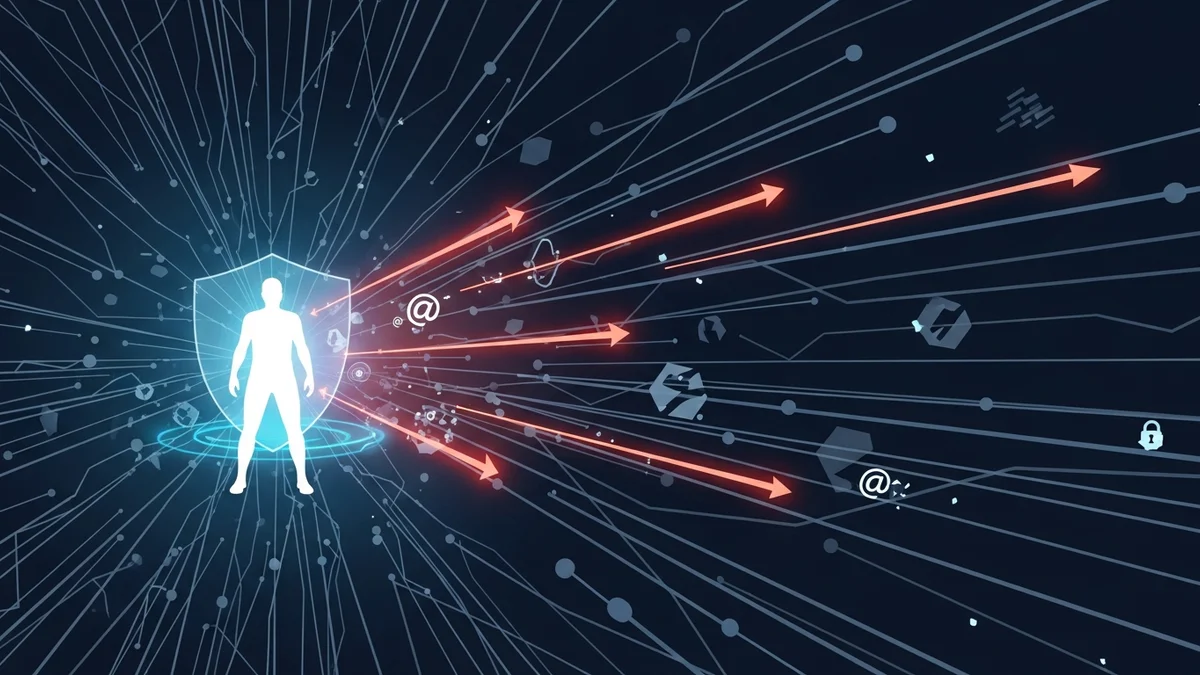
Doxxing is one of the most alarming privacy threats on the internet today. A single social media post, old forum comment, or exposed database can lead to your personal information being published online for strangers to see. In some cases, it results in harassment, identity theft, or even real-world danger.
But what is doxxing exactly, how does it happen, and most importantly, how can you protect yourself from it?
This guide breaks down how doxxing works, real-world examples, and practical steps you can take right now to reduce your risk.
What Is Doxxing?
Doxxing (sometimes spelled "doxing") comes from the phrase "dropping documents." It refers to the act of publicly revealing someone’s private or identifying information online without their consent.
This information can include:
- Full name
- Home address
- Phone number
- Email addresses
- Workplace details
- Family members’ names
- Financial information
- Private messages or photos
Doxxing is often used as a form of retaliation, harassment, or intimidation. It commonly occurs during online disputes, political disagreements, gaming conflicts, or social media arguments. However, victims don’t need to be public figures — everyday internet users are targeted regularly.
How Does Doxxing Happen?
Contrary to popular belief, doxxing doesn’t always require advanced hacking skills. In many cases, attackers simply gather publicly available information and combine it with leaked data from breaches.
Here are the most common ways doxxing happens:
- Data breaches: Massive breaches like Yahoo (3 billion accounts), LinkedIn (700+ million records scraped in 2021), and Facebook leaks have exposed emails, phone numbers, and other identifiers. Once leaked, this information circulates on forums and dark web marketplaces.
- Social media oversharing: Posting vacation photos, workplace details, or location check-ins can give attackers clues about where you live or work.
- WHOIS records and domain registrations: Personal websites sometimes expose names, addresses, and contact information.
- Public records databases: Property records, voter registrations, and business filings can reveal home addresses.
- Phishing attacks: Attackers may trick victims into revealing sensitive information directly.
- Password reuse: If your email and password are exposed in one breach, attackers may access additional accounts.
Often, doxxing is a puzzle. An attacker collects small pieces of data from multiple sources and assembles a full profile.
Real-World Examples of Doxxing
Doxxing has affected celebrities, journalists, gamers, and private individuals alike.
During the "Gamergate" controversy in 2014, several women in the gaming industry were doxxed, leading to severe harassment and threats. In other cases, journalists covering controversial topics have had their home addresses published online.
Even private individuals have been targeted. A viral social media argument can escalate quickly if someone uncovers and shares personal details. In some cases, doxxing has led to "swatting" — where false emergency reports are sent to police, resulting in armed responses to a victim’s home.
These incidents highlight an uncomfortable truth: once personal data is exposed, it spreads rapidly and is nearly impossible to retract completely.
The Risks and Consequences of Being Doxxed
Doxxing isn’t just embarrassing — it can be dangerous.
- Harassment and threats: Victims often receive abusive messages, phone calls, or emails.
- Identity theft: Exposed personal information can be used to open fraudulent accounts.
- Financial fraud: Attackers may attempt account takeovers using leaked credentials.
- Workplace consequences: Employers may be contacted as part of harassment campaigns.
- Physical safety risks: Publishing a home address can lead to real-world stalking or swatting incidents.
According to cybersecurity reports, billions of records are exposed every year due to data breaches. Each breach increases the amount of information available to malicious actors.
How to Protect Yourself from Doxxing
While you can’t erase your digital footprint entirely, you can significantly reduce your risk.
1. Monitor Your Email Addresses for Breaches
Data breaches are a primary source of doxxing information. If your email address appears in a breach, attackers may gain access to associated accounts or uncover linked personal details.
Tools like LeakDefend can monitor your email addresses and alert you if they appear in known data breaches. LeakDefend.com lets you check multiple email addresses and track exposure over time, giving you an early warning before attackers exploit leaked data.
2. Use Strong, Unique Passwords
Password reuse is one of the biggest risks after a breach. If you reuse passwords, one compromised account can unlock many others. Use a password manager to generate and store unique passwords for every account.
3. Enable Two-Factor Authentication (2FA)
Two-factor authentication adds a second layer of protection beyond your password. Even if someone obtains your login credentials, 2FA can prevent unauthorized access.
4. Reduce Publicly Available Information
- Review your social media privacy settings.
- Remove your phone number from public profiles.
- Limit location sharing.
- Opt out of data broker websites where possible.
Search your own name in search engines to see what information is publicly accessible.
5. Separate Personal and Public Identities
If you run a public-facing account or website, consider using separate email addresses and avoid linking them to personal accounts. This compartmentalization limits the damage if one account is exposed.
6. Act Quickly After a Breach
If you discover your data has been exposed:
- Change affected passwords immediately.
- Enable 2FA if not already active.
- Monitor financial accounts for suspicious activity.
- Consider credit monitoring if sensitive data was leaked.
Early detection is critical. Services like LeakDefend help identify exposures so you can respond before information is weaponized.
🔒 Check If Your Email Was Breached — Monitor up to 3 email addresses for free with LeakDefend. Start Your Free Trial →
What to Do If You’ve Already Been Doxxed
If your personal information has already been published:
- Document everything (screenshots, URLs, timestamps).
- Report the content to the platform hosting it.
- Contact your local authorities if you receive credible threats.
- Notify your employer if workplace harassment is possible.
- Secure all online accounts immediately.
You may not be able to remove every instance of exposed information, but you can limit further damage by strengthening your security posture quickly.
Conclusion
Doxxing is the weaponization of personal information. In a world where billions of records are leaked each year, protecting your digital footprint is no longer optional — it’s essential.
Understanding how doxxing works is the first step. Monitoring your exposure, using strong authentication practices, and reducing publicly available data can dramatically lower your risk.
You can’t control every data breach, but you can control how prepared you are. Staying proactive — and using tools designed to detect exposure early — makes all the difference in keeping your personal information safe.