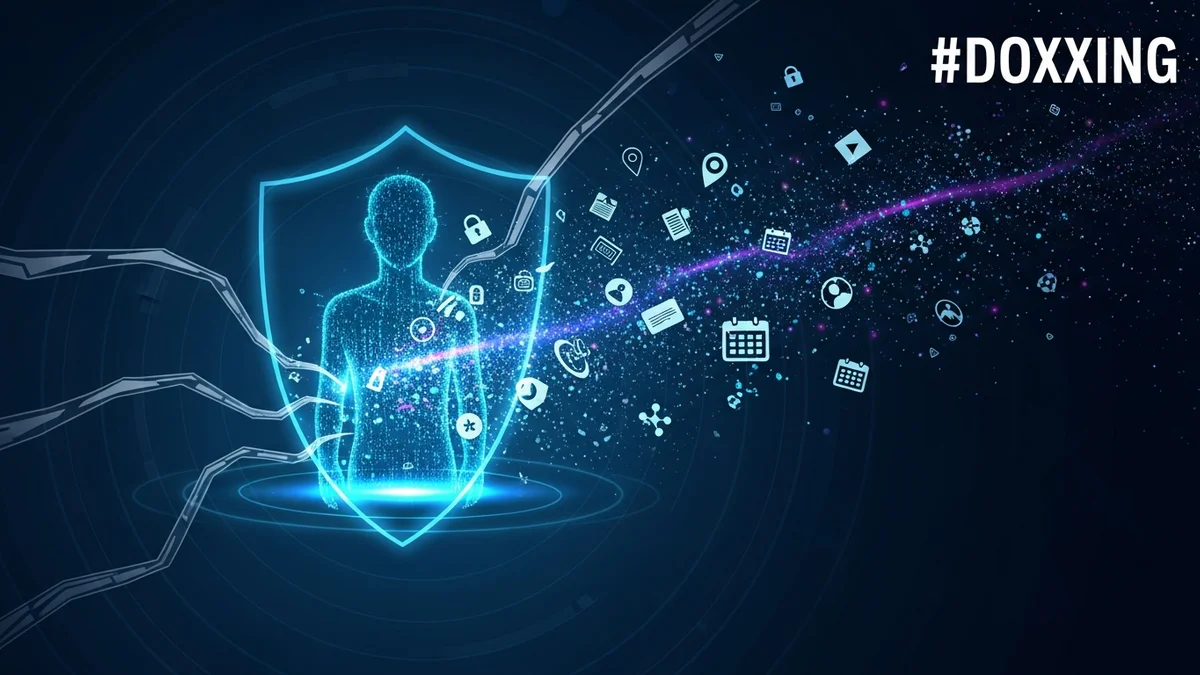
Doxxing is no longer a niche internet prank — it’s a serious privacy and safety threat. From journalists and gamers to executives and everyday social media users, anyone can become a target. Once your personal information is exposed online, it can spread instantly and cause long-term harm.
In this guide, we’ll explain what doxxing is, how it happens, the risks involved, and most importantly, how you can protect yourself from becoming a victim.
What Is Doxxing?
Doxxing (sometimes spelled "doxing") comes from the term “dropping docs.” It refers to the act of publicly revealing someone’s private or identifying information online without their consent. The goal is often to intimidate, harass, threaten, or silence the target.
Information shared in a doxxing attack may include:
- Full name and home address
- Phone numbers and email addresses
- Workplace details
- Personal photos
- Financial information
- Social Security numbers or other government IDs
Sometimes this data is compiled from publicly available sources. Other times, it’s pulled from hacked databases or data breaches. According to cybersecurity reports, billions of personal records have been exposed in breaches over the past decade — creating a vast pool of information that attackers can weaponize.
How Doxxing Happens
Doxxing rarely requires sophisticated hacking. In many cases, attackers combine small pieces of information gathered from multiple sources.
Common methods include:
- Social media scraping: Public profiles often reveal birthdays, workplaces, locations, and family connections.
- Data breaches: Massive leaks such as the 2017 Equifax breach (which exposed data of 147 million people) provide attackers with verified personal information.
- WHOIS lookups: Website domain registrations can reveal names, addresses, and phone numbers if privacy protection isn’t enabled.
- People search databases: Data brokers legally collect and sell personal details.
- Phishing attacks: Victims may unknowingly provide sensitive information directly to scammers.
Once compiled, this information is often posted on forums, social media platforms, or messaging boards. In extreme cases, doxxing leads to "swatting" — when someone falsely reports a serious crime to send armed police to the victim’s home.
Real-World Examples of Doxxing
Doxxing has affected public figures and private individuals alike. Journalists have been targeted for political reporting. Gamers and streamers have had their home addresses leaked during online disputes. Employees have been doxxed after viral workplace controversies.
Even major corporations are indirectly involved. When LinkedIn experienced a breach affecting over 700 million users, exposed email addresses and professional details became widely circulated. That kind of information can easily be used to identify and target individuals.
The emotional toll can be severe. Victims often experience harassment, threats, identity theft, and long-term reputational damage. In some cases, people have had to move homes or change jobs after being doxxed.
Why Doxxing Is So Dangerous
Doxxing isn’t just embarrassing — it can escalate quickly.
- Harassment and stalking: Publicly shared contact details can lead to relentless calls, messages, or physical threats.
- Identity theft: Exposed personal data can be used to open fraudulent accounts or commit financial crimes.
- Employment consequences: Employers may react to viral controversies before verifying facts.
- Physical safety risks: Sharing a home address increases the risk of in-person harassment.
Because so much personal information is already circulating online due to past breaches, attackers often don’t need to "break in" to anything new. They simply connect the dots.
How to Protect Yourself from Doxxing
While you can’t control everything posted about you, you can significantly reduce your exposure.
- Audit your online presence: Search your name, email addresses, and phone numbers. Remove unnecessary public details from social media accounts.
- Lock down privacy settings: Set profiles to private and limit who can see personal information.
- Use domain privacy protection: If you own a website, enable WHOIS privacy to hide your contact details.
- Remove data from broker sites: Many people-search platforms allow opt-out requests.
- Strengthen account security: Use unique passwords and enable two-factor authentication (2FA).
- Monitor for data breaches: Tools like LeakDefend can monitor your email addresses and alert you if your information appears in known breaches.
Data breach monitoring is particularly important. If your email address appears in a newly leaked database, attackers may use it to gather more details about you. LeakDefend.com lets you check all your email addresses for free and receive alerts if they’re exposed — giving you time to change passwords and secure affected accounts before information is weaponized.
What to Do If You’ve Been Doxxed
If your personal information has already been published, act quickly:
- Document everything: Take screenshots and save URLs.
- Report the content: Most platforms prohibit posting private information without consent.
- Contact your local authorities: Especially if threats are involved.
- Alert your bank and monitor credit: Watch for signs of identity theft.
- Change exposed credentials immediately: Update passwords and enable 2FA across accounts.
Ongoing monitoring is critical after an incident. Because breached data can resurface months or even years later, continuous alerts from services like LeakDefend help you stay ahead of potential misuse.
🔒 Check If Your Email Was Breached — Monitor up to 3 email addresses for free with LeakDefend. Start Your Free Trial →
Prevention Is Easier Than Damage Control
Doxxing thrives on the vast amount of personal data already floating around the internet. While you may not be able to erase your digital footprint entirely, you can make yourself a much harder target.
Regular privacy audits, strong authentication practices, and proactive breach monitoring dramatically reduce your risk. The key is awareness: know what information is publicly accessible, understand how it could be misused, and take steps to limit exposure before someone else does.
In an era where billions of records have been leaked and shared, protecting your personal data isn’t paranoia — it’s smart digital hygiene. By staying vigilant and using monitoring tools strategically, you can protect your identity, your reputation, and your peace of mind.