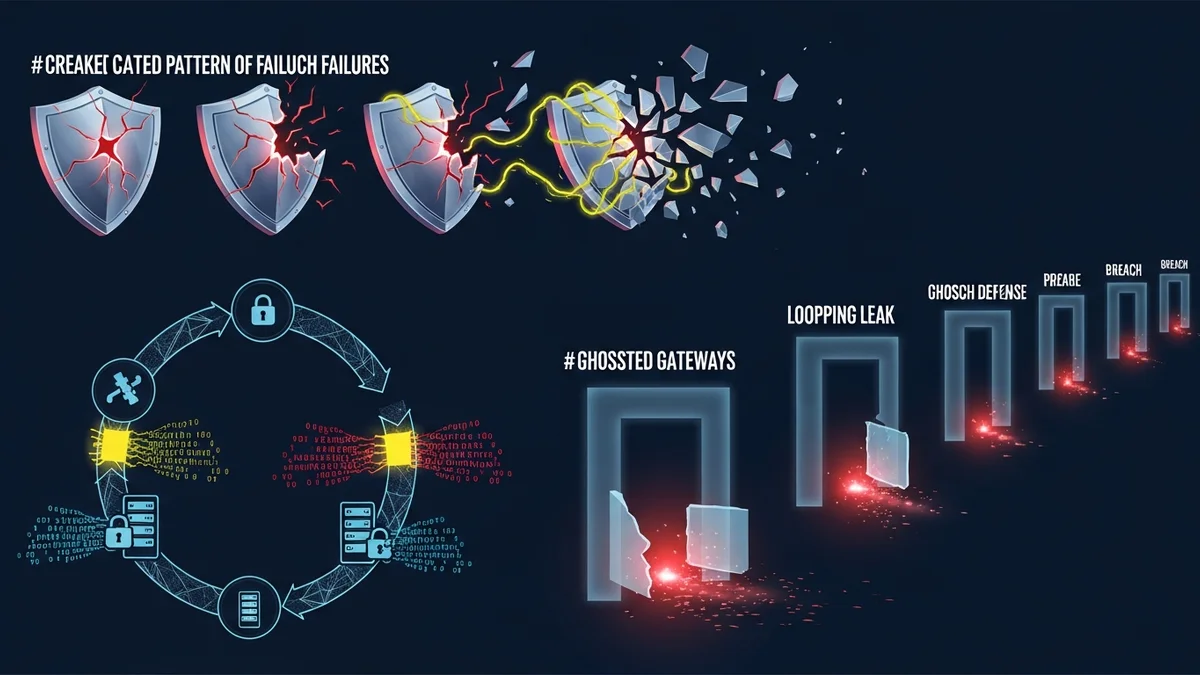
The T-Mobile data breach history is not a story of a single mistake. It’s a pattern — one that has exposed millions of customers’ personal information over more than a decade. From names and Social Security numbers to driver’s license details and account PINs, the scope of these incidents has been massive and, in many cases, preventable.
For customers, the real concern isn’t just what happened — it’s how often it keeps happening. Let’s break down T-Mobile’s breach timeline, examine what went wrong, and explore what you can do to protect yourself.
A Timeline of Major T-Mobile Data Breaches
T-Mobile has experienced multiple significant data breaches since 2018, with some incidents ranking among the largest telecom breaches in U.S. history.
- 2018: Hackers accessed the data of approximately 2 million customers, including names, billing ZIP codes, phone numbers, email addresses, and account numbers.
- 2019: A breach exposed personal information of more than 1 million prepaid customers.
- 2020: Another attack compromised employee email accounts and exposed data from both customers and employees.
- 2021 (August): One of the most severe breaches affected approximately 76.6 million U.S. residents. Exposed data included names, dates of birth, Social Security numbers, driver’s license information, and IMEI numbers.
- 2023 (January): T-Mobile disclosed that 37 million postpaid and prepaid accounts were exposed through an API vulnerability, leaking names, billing addresses, emails, phone numbers, and dates of birth.
This repeated exposure of sensitive information paints a troubling picture: attackers continue to find exploitable weaknesses in T-Mobile’s systems.
The 2021 Mega-Breach: A Turning Point?
The August 2021 breach stands out not only for its size but for its impact. Over 76 million individuals were affected — including 7.8 million current postpaid customers and more than 40 million former or prospective customers.
The compromised data included:
- Social Security numbers
- Driver’s license and ID details
- Names and dates of birth
- Phone numbers and IMEI device identifiers
This wasn’t just contact information. It was the kind of data that fuels identity theft, SIM-swapping attacks, and financial fraud.
In 2022, T-Mobile agreed to a $350 million class-action settlement related to this breach — one of the largest data breach settlements in U.S. history. The company also committed to spending an additional $150 million on cybersecurity improvements over two years.
Yet, despite these promises, another large-scale exposure occurred in 2023.
Why Do the Breaches Keep Happening?
No organization is immune to cyberattacks. However, repeated incidents of this scale suggest deeper systemic issues. Several factors likely contributed to the recurring breaches:
- API vulnerabilities: The 2023 breach was linked to a poorly secured API that attackers exploited for weeks.
- Insufficient access controls: Past breaches involved unauthorized access to internal systems.
- Delayed detection: In multiple cases, attackers reportedly had access for extended periods before discovery.
- Valuable telecom data: Telecom providers are prime targets because they store identity data, device identifiers, and authentication information.
Telecom companies are especially attractive to hackers because they sit at the center of digital identity. Your phone number is often used for two-factor authentication, password resets, and financial account recovery. That makes breaches at telecom providers uniquely dangerous.
The Real-World Impact on Customers
When a breach exposes your Social Security number or driver’s license, the risks don’t disappear after a password reset. Victims of telecom breaches often face:
- Identity theft and fraudulent credit applications
- SIM-swapping attacks leading to cryptocurrency or banking losses
- Targeted phishing and smishing campaigns
- Long-term monitoring of their credit reports
After the 2021 breach, cybersecurity researchers observed an increase in phishing campaigns targeting T-Mobile customers. Attackers leveraged leaked data to craft convincing messages that appeared legitimate.
This is why proactive monitoring matters. Tools like LeakDefend can monitor your email addresses and alert you when your information appears in known data breaches. Early detection allows you to change passwords, enable stronger authentication, and secure financial accounts before attackers exploit exposed data.
Has T-Mobile Improved Its Security?
Following public backlash and legal action, T-Mobile stated that it strengthened its cybersecurity posture by:
- Expanding its cybersecurity team
- Implementing zero-trust architecture principles
- Enhancing API security controls
- Increasing threat monitoring and detection capabilities
While these measures are positive steps, the recurrence of breaches even after major settlements raises valid concerns about implementation effectiveness and oversight.
Cybersecurity is not a one-time investment — it requires continuous testing, auditing, and adaptation. Companies that fail to maintain rigorous standards often become repeat headlines.
How to Protect Yourself After a T-Mobile Breach
If you are a current or former T-Mobile customer, assume your data may already be circulating. Taking action now reduces long-term risk.
- Change important passwords and avoid reusing them across services.
- Enable app-based two-factor authentication instead of SMS when possible.
- Set up a SIM lock or port-out protection with your carrier.
- Monitor your credit reports through major bureaus.
- Use a breach monitoring service to track exposed accounts.
LeakDefend.com lets you check all your email addresses for free and monitor up to three addresses for breach alerts. Given the frequency of telecom-related data leaks, continuous monitoring is no longer optional — it’s essential.
🔒 Check If Your Email Was Breached — Monitor up to 3 email addresses for free with LeakDefend. Start Your Free Trial →
Conclusion: A Pattern Customers Can’t Ignore
The T-Mobile data breach history reveals more than isolated cybersecurity incidents. It shows a repeated pattern of vulnerabilities that have exposed tens of millions of people to identity theft and fraud.
While T-Mobile has pledged significant investments in security improvements, customers must take responsibility for their own digital safety. Telecom providers hold some of the most sensitive identity data in existence — and that makes them high-value targets.
If you’ve ever been a T-Mobile customer, the safest assumption is that your information may already be out there. Monitor it. Secure it. And stay ahead of attackers by using services like LeakDefend to detect breaches before they turn into financial damage.
Because when breaches become a pattern, prevention becomes your strongest defense.