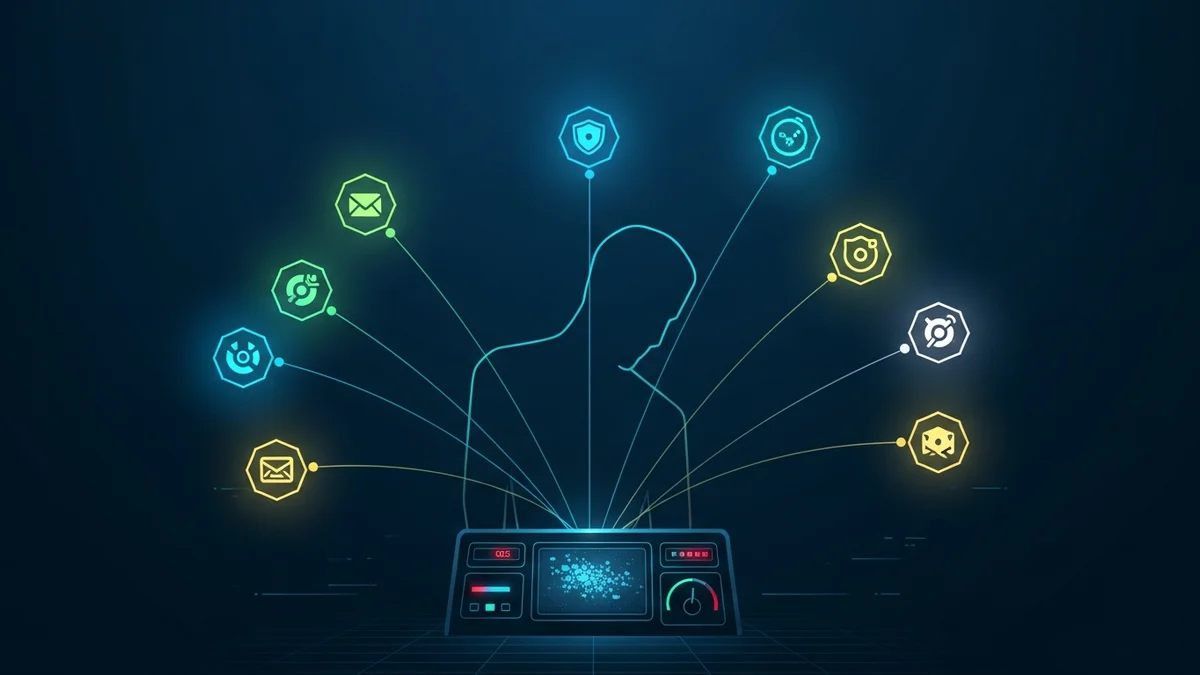
Subscription fatigue is no longer just a buzzword — it’s a growing financial and security issue. From streaming services and fitness apps to cloud storage and meal kits, consumers are juggling more recurring payments than ever before. What began as convenient access to digital services has evolved into a complex web of monthly charges, forgotten trials, and hidden security risks.
According to a 2023 C+R Research survey, the average consumer underestimates their subscription spending by nearly $100 per month. Millennials, in particular, report spending over $200 monthly on subscriptions. As subscription models dominate everything from software to groceries, the result is clear: people are overwhelmed, overspending, and increasingly exposed to cyber risk.
Here’s why subscription fatigue is rising — and how you can take back control.
Why Subscription Fatigue Is Accelerating
The subscription economy has exploded over the past decade. Companies favor recurring revenue because it’s predictable and profitable. For consumers, the low monthly cost often feels manageable. But the accumulation effect is powerful.
- Micro-payments add up: $5 here, $12 there — soon it’s hundreds per month.
- Free trials convert automatically: Many services rely on users forgetting to cancel.
- Multiple logins across platforms: Each service requires credentials, increasing password sprawl.
- Bundled ecosystems: Cloud storage, music, video, productivity tools — often tied to one email address.
Beyond finances, the psychological toll matters. Constant billing notifications, renewal reminders, and promotional emails create digital clutter and decision fatigue. Over time, users disengage — and that’s when risks multiply.
The Hidden Security Risks of Too Many Subscriptions
Every subscription requires personal data: your email address, payment details, sometimes your home address or phone number. The more services you sign up for, the larger your digital footprint becomes.
Consider the numbers: IBM’s Cost of a Data Breach Report consistently shows the global average breach cost exceeding $4 million. Meanwhile, high-profile breaches at companies like Dropbox, LinkedIn, and Adobe have exposed hundreds of millions of user records over the years.
When one subscription service is breached, attackers often attempt credential stuffing — using leaked email/password combinations to access other platforms. If you reuse passwords across subscriptions (as many people do), one breach can cascade into multiple compromised accounts.
This is where visibility becomes critical. Tools like LeakDefend can monitor your email addresses for breaches, helping you quickly identify which subscriptions may be exposed before attackers exploit them.
Why We Keep Subscribing Anyway
If subscription fatigue is real, why do we keep signing up?
- Convenience: Instant access beats ownership.
- Low perceived cost: $9.99 feels harmless compared to a $120 annual charge.
- Fear of missing out: Exclusive content, limited-time deals, premium features.
- Auto-renewal defaults: Inertia favors companies.
Behavioral economists call this the “set-and-forget trap.” Once enrolled, cancellation requires effort. Multiply that by 15–20 services, and most people simply postpone reviewing their subscriptions.
The result? Financial leakage and growing security exposure.
How to Audit and Reduce Subscription Overload
Fighting subscription fatigue starts with awareness. Here’s a structured way to regain control:
- Review bank and card statements: Identify every recurring charge over the past three months.
- Categorize subscriptions: Essential, valuable but optional, and unused.
- Cancel immediately: Remove anything unused or redundant.
- Consolidate services: Choose bundles that replace multiple standalone tools.
- Switch to annual plans wisely: Only for services you truly use — and trust.
Next, secure what remains. Each active subscription represents a potential entry point for attackers.
- Use a unique password for every account.
- Enable multi-factor authentication wherever possible.
- Monitor your email addresses for data breach exposure.
LeakDefend.com lets you check all your email addresses for free, making it easier to see whether your subscription accounts have appeared in known breach databases. Monitoring reduces the time between exposure and response — which is critical for preventing identity theft.
Building a Sustainable Subscription Strategy
Subscription fatigue doesn’t mean abandoning subscriptions entirely. It means being intentional.
Consider implementing a personal subscription policy:
- One-in, one-out rule: Add a new service only if you cancel another.
- Quarterly reviews: Put a recurring calendar reminder to audit services.
- Separate email accounts: Use a dedicated email for subscriptions to limit exposure.
- Track trials immediately: Set cancellation reminders the same day you sign up.
This proactive approach reduces cognitive load and shrinks your attack surface. Remember: fewer accounts mean fewer passwords to protect and fewer databases where your personal information resides.
And because breaches are often discovered months after they occur, ongoing monitoring matters. LeakDefend provides continuous alerts if your data appears in newly disclosed leaks, giving you time to change passwords before damage spreads.
The Financial and Privacy Payoff
Reducing subscription overload has measurable benefits:
- Lower monthly expenses
- Reduced fraud risk
- Less digital clutter
- Improved password hygiene
- Greater peace of mind
In a digital economy designed to maximize recurring revenue, consumers must actively defend their finances and personal data. Subscription fatigue isn’t just about annoyance — it’s about control.
🔒 Check If Your Email Was Breached — Monitor up to 3 email addresses for free with LeakDefend. Start Your Free Trial →
Conclusion: Take Back Control of Your Digital Life
The rise of subscription fatigue reflects a broader shift in how we consume digital services. Convenience has a cost — not just financially, but in privacy and security exposure. Each subscription expands your digital footprint, increases password sprawl, and creates new opportunities for data breaches.
By auditing your subscriptions, canceling aggressively, strengthening account security, and monitoring your email addresses for breaches, you can dramatically reduce both stress and risk.
The subscription economy isn’t going away. But with smarter habits and the right monitoring tools, you can make it work for you — instead of the other way around.