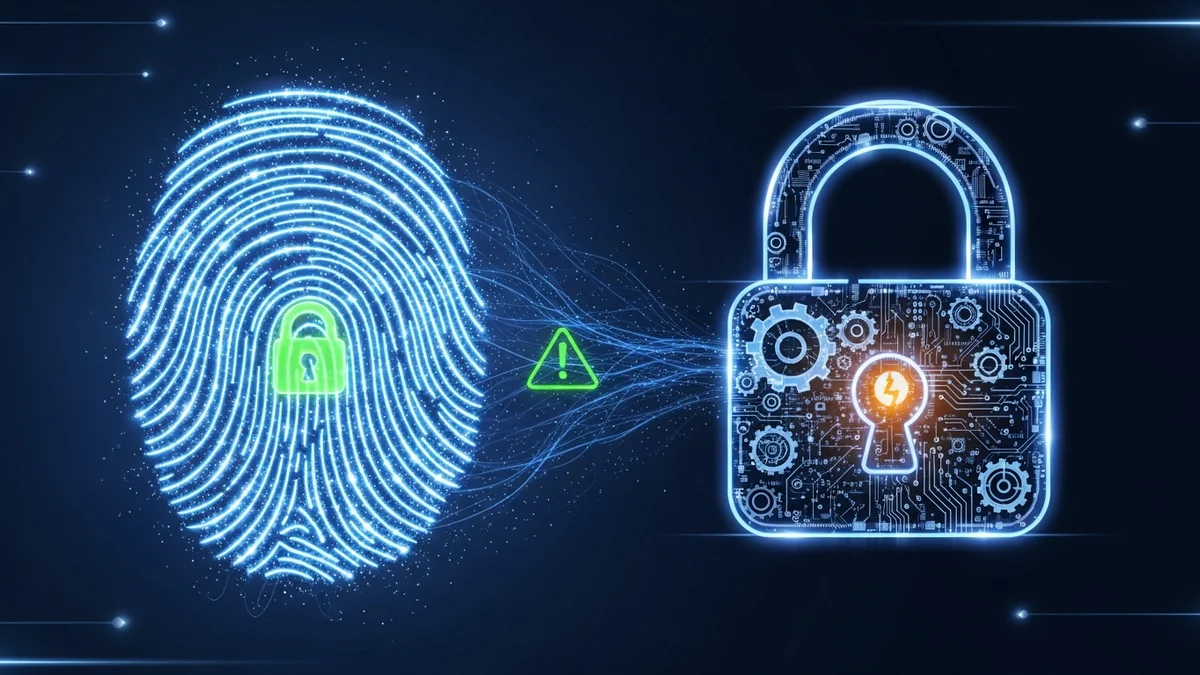
Biometric authentication has quickly moved from science fiction to everyday life. We unlock smartphones with our faces, access banking apps with our fingerprints, and pass through airport gates using iris scans. The promise is simple: your body is your password. But is biometric authentication really more secure than traditional methods?
Like any security technology, biometrics come with clear advantages—and serious drawbacks. Understanding the pros and cons of biometric authentication is essential before relying on it as your primary defense against identity theft and data breaches.
What Is Biometric Authentication?
Biometric authentication verifies identity using unique biological or behavioral traits. Unlike passwords or PINs, these traits are inherent to you. Common examples include:
- Fingerprint recognition
- Facial recognition
- Iris or retina scans
- Voice recognition
- Behavioral biometrics (typing patterns, gait analysis)
According to industry research, over 80% of smartphones globally now support biometric login, and financial institutions increasingly use biometrics to reduce fraud. Apple’s Face ID, for example, claims a 1 in 1,000,000 chance of a random person unlocking your phone, compared to 1 in 50,000 for Touch ID.
But impressive statistics don’t tell the whole story.
The Pros of Biometric Authentication
1. Stronger Protection Than Weak Passwords
One of the biggest cybersecurity problems today is poor password hygiene. Studies consistently show that millions of people reuse the same passwords across multiple accounts. When one service is breached, attackers can use stolen credentials to access other accounts in a technique known as credential stuffing.
Biometrics eliminate the need to remember complex passwords. Since your fingerprint or face cannot be "guessed" the way a weak password can, biometric authentication significantly reduces brute-force and credential-based attacks.
2. Convenience and Speed
Biometric login is fast and frictionless. Unlocking a phone with Face ID takes seconds. Logging into a banking app with a fingerprint is easier than typing a 16-character password.
This convenience has real security benefits. When authentication is simple, users are less likely to disable security features or choose weak alternatives.
3. Reduced Phishing Risk
Traditional phishing attacks rely on tricking users into entering passwords. Biometric data cannot be typed into a fake login page. Even if you click a phishing link, your fingerprint cannot be "handed over" the same way credentials can.
That said, attackers can still steal session tokens or exploit compromised devices—so biometrics are not a complete phishing solution.
The Cons of Biometric Authentication
1. You Can’t Change Your Fingerprint
The most serious drawback of biometric authentication is permanence. If your password is exposed in a data breach, you can change it immediately. But if your biometric data is compromised, you cannot replace your fingerprint or face.
This risk is not theoretical. In 2019, the Biostar 2 security platform breach exposed over 1 million fingerprints and facial recognition records stored in an unsecured database. Unlike passwords, those individuals cannot simply "reset" their biometric identities.
That’s why it’s critical to monitor your digital footprint. Tools like LeakDefend can monitor your email addresses for breaches, helping you react quickly before attackers exploit exposed credentials tied to biometric-enabled accounts.
2. Privacy Concerns and Mass Surveillance
Facial recognition technology has sparked global privacy debates. In some cities, law enforcement has used facial recognition databases without public consent. Critics argue that widespread biometric collection creates a surveillance infrastructure that can be abused.
Unlike a password database, biometric databases often contain deeply personal identifiers. A breach doesn’t just expose login data—it exposes physical identity markers.
3. False Positives and False Negatives
No biometric system is perfect. Systems must balance two risks:
- False acceptance (letting the wrong person in)
- False rejection (blocking the legitimate user)
Environmental factors such as lighting, injuries, aging, or even identical twins can affect accuracy. In high-security environments, even small error rates can create serious vulnerabilities or operational disruptions.
4. Vulnerability to Spoofing
While difficult, biometric systems can be spoofed. Researchers have demonstrated unlocking devices using high-resolution photos, 3D-printed fingerprints, and deepfake voice samples. As AI-generated media improves, voice and facial recognition systems face new challenges.
Security experts increasingly recommend combining biometrics with another factor, such as a device-based token or PIN. This layered approach—known as multi-factor authentication (MFA)—offers stronger protection than biometrics alone.
Biometrics vs. Passwords: Which Is Safer?
The answer depends on context.
Biometrics are generally safer than weak or reused passwords. However, they are not safer than strong, unique passwords combined with multi-factor authentication.
The most secure approach is layered security:
- Strong, unique passwords
- Password manager usage
- Multi-factor authentication (including biometrics)
- Continuous breach monitoring
Even if you use Face ID or fingerprint login, your accounts may still rely on traditional passwords behind the scenes. If those passwords are leaked in a breach, attackers can bypass biometrics entirely by logging in from another device.
That’s why services like LeakDefend.com let you check all your email addresses for free and receive alerts when your data appears in known breaches. Biometric authentication protects access to your device—but breach monitoring protects your digital identity across the internet.
Best Practices for Using Biometric Authentication Safely
If you choose to use biometrics, follow these best practices:
- Enable multi-factor authentication whenever possible.
- Use a strong backup password stored in a password manager.
- Keep devices updated to patch biometric vulnerabilities.
- Monitor your email accounts for breach exposure.
Remember: biometric authentication secures device access, but your online accounts remain vulnerable to database leaks, phishing, and subscription-related data breaches.
🔒 Check If Your Email Was Breached — Monitor up to 3 email addresses for free with LeakDefend. Start Your Free Trial →
Conclusion: Powerful, But Not Perfect
Biometric authentication represents a major leap forward in usability and security. It reduces reliance on weak passwords, speeds up access, and lowers phishing risks. For everyday users, it is often safer than traditional login methods used poorly.
However, biometrics introduce permanent privacy risks, cannot be changed if compromised, and are not immune to sophisticated attacks. No single authentication method is bulletproof.
The smartest strategy combines biometrics with strong password practices and proactive breach monitoring. While your fingerprint may unlock your phone, staying informed about data exposures is what truly protects your identity in the long run.