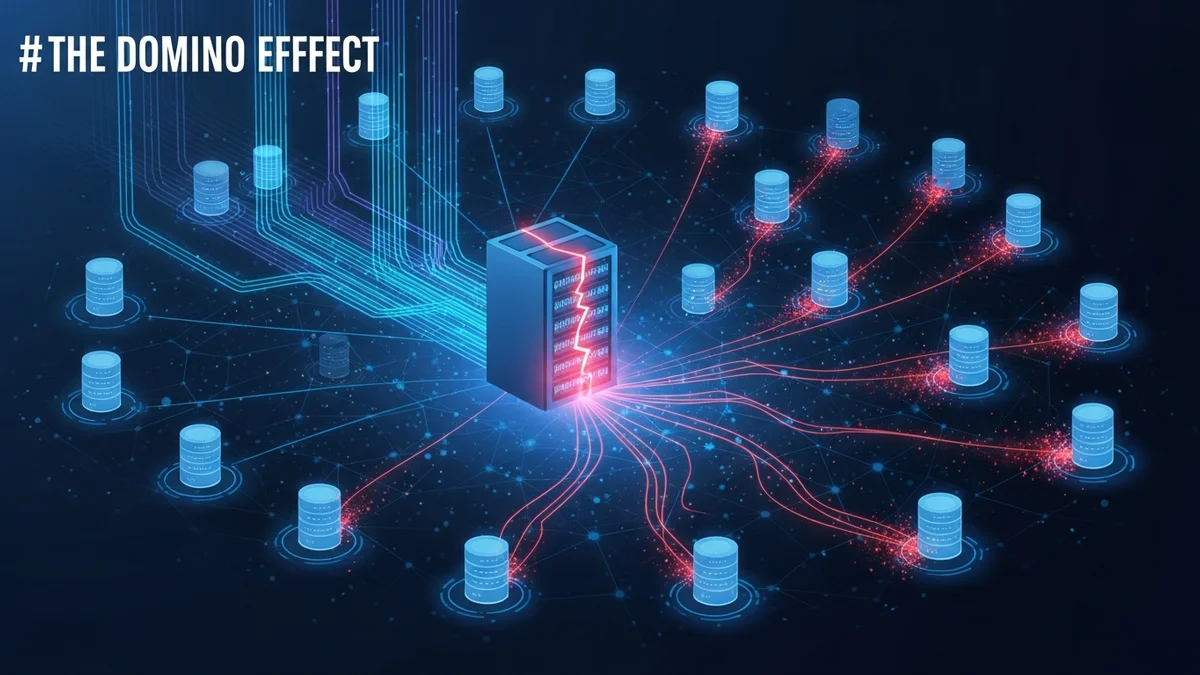
In 2023, the MOVEit hack became one of the largest and most far-reaching cyberattacks in recent history. By exploiting a single zero-day vulnerability in a widely used file transfer tool, attackers compromised thousands of organizations and exposed the personal data of millions of individuals worldwide. From government agencies to Fortune 500 companies, the fallout demonstrated how one overlooked weakness in a trusted system can cascade into a global security crisis.
Here’s what happened, why it was so devastating, and what organizations and individuals can learn from the MOVEit breach.
What Is MOVEit and Why Is It So Widely Used?
MOVEit Transfer, developed by Progress Software, is a managed file transfer (MFT) solution designed to securely move sensitive data between organizations. Businesses, healthcare providers, universities, and government agencies rely on it to transfer payroll data, medical records, financial documents, and other confidential information.
Managed file transfer tools like MOVEit are especially popular because they:
- Encrypt files during transmission and storage
- Automate recurring transfers between systems
- Help organizations meet compliance requirements (HIPAA, GDPR, etc.)
- Centralize logging and auditing of file activity
In other words, MOVEit often sits at the heart of highly sensitive data flows. That made it an attractive and high-impact target.
The Zero-Day Vulnerability That Started It All
In late May 2023, a ransomware group known as Cl0p began exploiting a previously unknown SQL injection vulnerability in MOVEit Transfer. Because it was a zero-day flaw—meaning no patch was available at the time—organizations had no immediate defense once the vulnerability became known.
The attackers used the flaw to:
- Gain unauthorized access to MOVEit servers
- Exfiltrate stored files and databases
- Deploy web shells for persistent access
Unlike traditional ransomware attacks, Cl0p focused heavily on data theft rather than encryption. Victims were extorted under the threat of public data leaks rather than system shutdowns.
Progress Software released emergency patches within days of disclosure. However, by that time, hundreds—and eventually thousands—of organizations had already been compromised.
How Many Organizations Were Affected?
The scale of the MOVEit hack was staggering. By early 2024, security researchers and reporting outlets estimated:
- More than 2,500 organizations were impacted globally
- Over 60 million individuals had their data exposed
High-profile victims included:
- U.S. government agencies, including the Department of Energy
- British Airways and the BBC (via third-party payroll provider Zellis)
- Johns Hopkins University and other educational institutions
- Multiple state governments and healthcare systems
Many breaches occurred through third-party vendors. For example, payroll and HR providers using MOVEit were compromised, which in turn exposed employee data for hundreds of client companies. This highlighted a growing reality in cybersecurity: your risk is often determined by your vendors’ security posture.
Why the MOVEit Hack Was So Devastating
Several factors made the MOVEit breach uniquely damaging:
- Centralized sensitive data: MOVEit servers frequently stored large volumes of personal and financial information in one place.
- Widespread adoption: Thousands of enterprises relied on the same software.
- Zero-day timing: Organizations had no opportunity to patch before exploitation began.
- Supply chain amplification: Third-party service providers multiplied the number of downstream victims.
The incident echoed previous supply chain attacks like SolarWinds, where compromising one trusted platform created a ripple effect across industries. It reinforced a hard truth: a single vulnerability in a widely deployed product can create systemic global risk.
What Data Was Exposed?
The exact data varied by organization, but commonly exposed information included:
- Full names and home addresses
- Social Security numbers and national IDs
- Payroll and tax information
- Bank account details
- Health and insurance records
For individuals, this type of exposure significantly increases the risk of identity theft, phishing attacks, and financial fraud. Criminal groups often sell or trade this information on dark web marketplaces long after the initial breach headlines fade.
That’s why continuous monitoring matters. Tools like LeakDefend can monitor your email addresses for breach exposure and alert you if your data appears in known breach databases, helping you act before attackers exploit your information.
Lessons for Organizations: Patch, Monitor, and Segment
The MOVEit hack offers several critical lessons for businesses:
- Rapid patch management is essential. Once a vulnerability becomes public, attackers move fast. Delays of even days can be costly.
- Minimize data retention. Storing years of historical data in one system increases breach impact.
- Segment critical systems. Limiting network access reduces lateral movement.
- Assess third-party risk. Vendors should meet strict security and monitoring standards.
Zero-day vulnerabilities are inevitable. The difference between resilience and disaster often comes down to detection speed, response planning, and data minimization.
What Individuals Can Do After a Major Breach
If your employer, university, or service provider was affected by the MOVEit hack, you may not even know your data was exposed until months later. Here’s what you can do:
- Monitor your credit reports for unusual activity
- Enable multi-factor authentication on key accounts
- Be cautious of phishing emails referencing payroll or HR issues
- Use a breach monitoring service to track exposed credentials
LeakDefend.com lets you check all your email addresses for free and monitor up to three accounts for ongoing breach exposure. Early alerts can give you time to change passwords, freeze credit, or secure accounts before attackers take advantage.
🔒 Check If Your Email Was Breached — Monitor up to 3 email addresses for free with LeakDefend. Start Your Free Trial →
Conclusion: One Flaw, Global Consequences
The MOVEit hack proved that cybersecurity risk is increasingly interconnected. A single vulnerability in a trusted platform can expose thousands of organizations and tens of millions of people. Zero-day exploits, supply chain dependencies, and centralized data storage create a perfect storm when security gaps appear.
For organizations, the lesson is clear: proactive patching, vendor oversight, and strong monitoring are non-negotiable. For individuals, vigilance doesn’t end when the news cycle moves on. Data stolen in one breach can resurface years later in phishing campaigns and identity theft schemes.
The MOVEit breach may fade from headlines, but its impact will shape cybersecurity strategies for years to come. Staying informed—and continuously monitoring your exposure—is one of the most practical defenses in a world where one vulnerability can change everything.