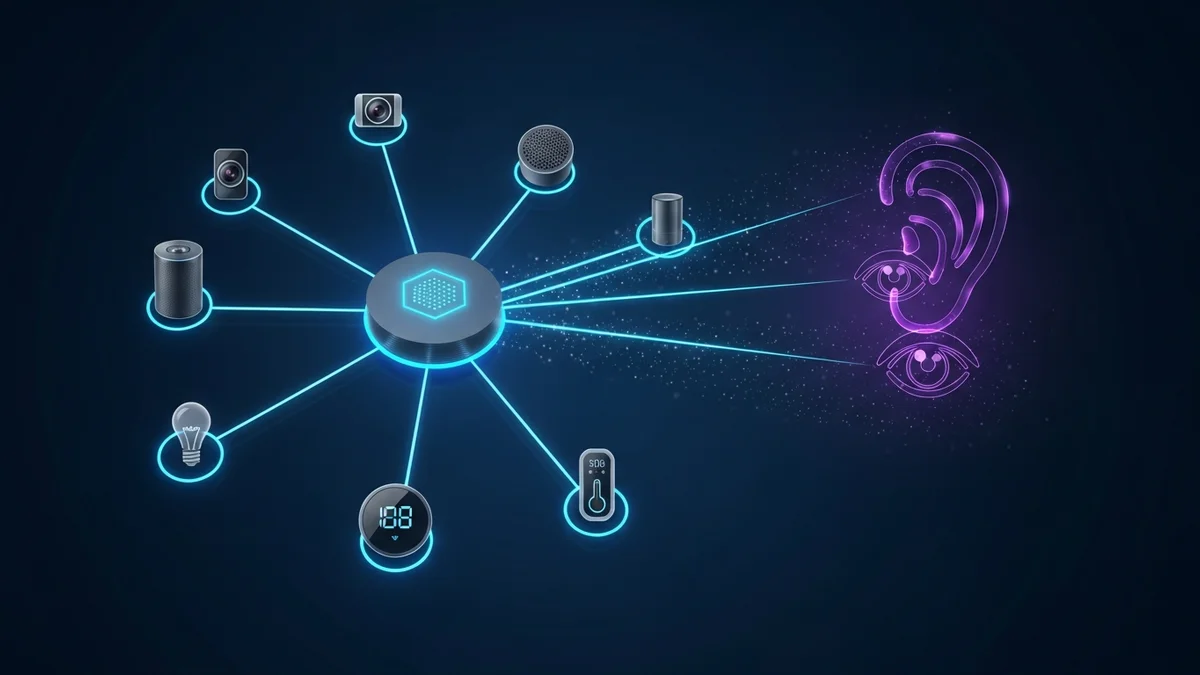
Smart home devices promise convenience, automation, and control at your fingertips. From voice assistants and smart doorbells to connected thermostats and baby monitors, these devices are now in millions of homes. But as the number of connected devices grows, so do the privacy risks.
According to research from Statista, the average U.S. household has more than 20 connected devices. Each one collects, stores, and transmits data. When poorly secured, they can expose personal conversations, daily routines, location data, and even login credentials. Understanding how smart home devices create privacy risks is the first step toward protecting yourself.
1. Always-On Devices Are Always Collecting Data
Many smart home devices rely on continuous data collection to function. Voice assistants like Amazon Alexa and Google Assistant are designed to listen for wake words. Smart cameras record video footage. Smart TVs track viewing habits.
While companies claim that devices only store or transmit relevant data, multiple investigations have shown that recordings are sometimes retained and reviewed. In 2019, reports revealed that contractors working for major tech companies listened to anonymized voice recordings to improve AI accuracy. Even when anonymized, these recordings sometimes included sensitive personal information.
Data collected by smart home devices can include:
- Voice recordings and transcripts
- Video footage from inside and outside your home
- Location data and daily routines
- Device usage patterns
If this data is breached or improperly accessed, it can paint a detailed picture of your life.
2. Weak Security Makes Devices Easy Targets
One of the biggest privacy risks of smart home devices is poor security. Many devices ship with default usernames and passwords like "admin" or "1234." If users don’t change them, hackers can easily gain access.
The 2016 Mirai botnet attack is a well-known example. Hackers infected hundreds of thousands of IoT devices, including cameras and routers, by exploiting weak or default credentials. The botnet was then used to launch massive distributed denial-of-service (DDoS) attacks that disrupted major websites like Twitter, Netflix, and Reddit.
Even more concerning, hackers have accessed:
- Baby monitors to speak to children or spy on families
- Security cameras to surveil homes
- Smart doorbells to gather information about when residents are away
Many manufacturers prioritize speed to market over long-term security updates. Some devices stop receiving security patches after just a few years, leaving them vulnerable.
3. Cloud Storage Expands the Attack Surface
Most smart home devices rely on cloud infrastructure. Your camera footage, voice commands, and automation settings are often stored on remote servers rather than locally in your home.
While major cloud providers invest heavily in security, breaches still happen. In 2019, a database containing over 2 billion records tied to smart home devices was reportedly left exposed online without a password. The database included email addresses, account information, and device details.
When your smart home account is tied to your email address, a separate data breach can create cascading risks. If attackers obtain your email and password from another breach, they may attempt to log into your smart home account using credential stuffing techniques.
This is why monitoring your email exposure is critical. Tools like LeakDefend can monitor your email addresses for breaches and alert you if your credentials appear in newly leaked databases. Early detection can prevent attackers from gaining access to your connected devices.
4. Data Sharing With Third Parties
Many smart home ecosystems integrate with third-party apps and services. For example, your smart thermostat might connect to an energy provider, or your voice assistant may link to shopping platforms.
Each integration introduces another potential privacy risk. Data may be shared with:
- Advertisers for targeted marketing
- Analytics providers to improve services
- Business partners for cross-platform functionality
While this data sharing is often disclosed in lengthy privacy policies, few users read the fine print. Over time, a complex web of data-sharing agreements can form around a single household.
If any one of these third parties suffers a data breach, your information could be exposed—even if the original device manufacturer remains secure.
5. Smart Devices Reveal Behavioral Patterns
Beyond direct data collection, smart home devices generate behavioral insights. For example:
- Your smart lights show when you’re home or away.
- Your thermostat reflects your daily schedule.
- Your fitness devices track your routines.
When combined, this data can reveal predictable patterns. Cybercriminals can exploit this information for targeted phishing attacks, social engineering, or even physical crimes.
For instance, if attackers know when you typically travel or sleep, they can craft convincing scam emails that appear timely and relevant. Monitoring for breached credentials through services like LeakDefend.com lets you check all your email addresses for free and reduce the likelihood that attackers can pivot from one compromised account to your entire smart ecosystem.
How to Reduce Smart Home Privacy Risks
You don’t have to abandon smart technology entirely. Instead, take proactive steps to secure your environment:
- Change default passwords immediately and use strong, unique passwords for every device account.
- Enable two-factor authentication (2FA) wherever available.
- Regularly update firmware to patch security vulnerabilities.
- Segment your Wi-Fi network by placing IoT devices on a separate guest network.
- Disable unnecessary features such as remote access if you don’t use them.
- Review privacy settings in companion apps and limit data sharing.
Most importantly, monitor your digital footprint. If your email account is compromised, it can become the master key to your smart home.
🔒 Check If Your Email Was Breached — Monitor up to 3 email addresses for free with LeakDefend. Start Your Free Trial →
Conclusion: Convenience Shouldn’t Cost Your Privacy
Smart home devices offer undeniable benefits, from energy savings to enhanced security. But they also introduce complex privacy risks that many consumers underestimate. Always-on microphones, cloud storage, weak passwords, third-party integrations, and exposed credentials can all create vulnerabilities.
The key is awareness and proactive protection. Secure your devices, limit data sharing, and monitor your accounts for signs of compromise. Privacy isn’t just about what happens inside your home—it’s about what happens to your data once it leaves it. By staying informed and using protective tools like LeakDefend, you can enjoy the convenience of smart technology without sacrificing your security.