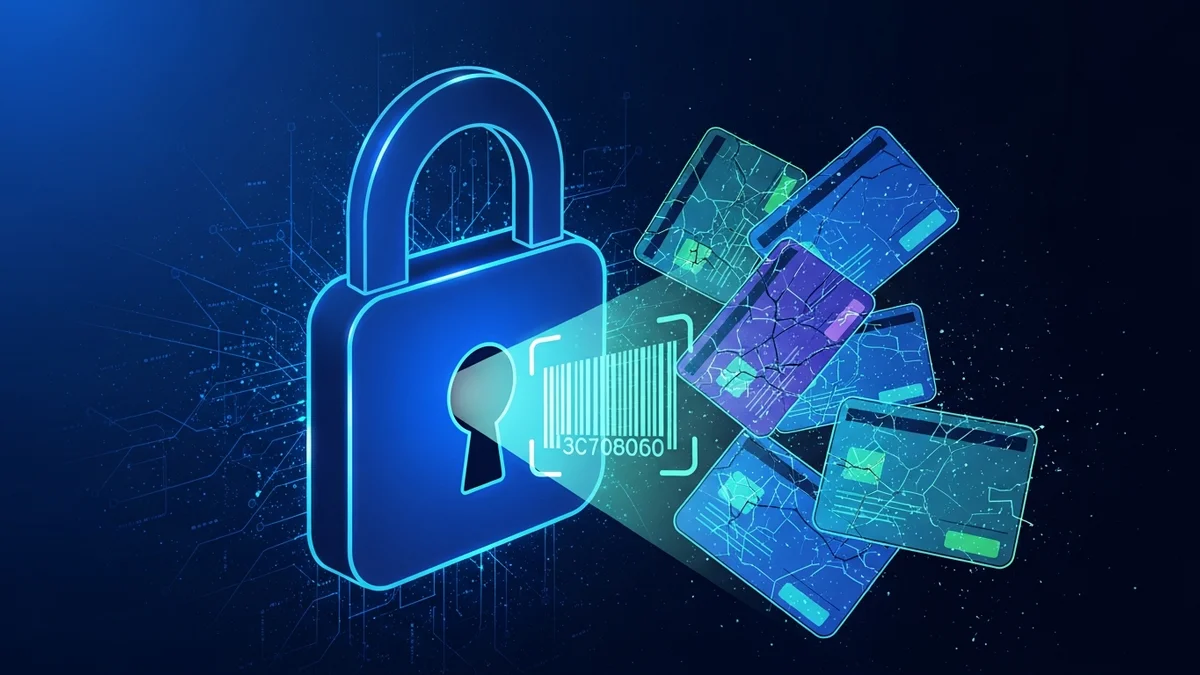
Loyalty programs are designed to reward customers — free flights, discounted coffee, cashback perks, exclusive deals. But behind the points and promotions lies a growing cybersecurity problem. Modern loyalty programs collect vast amounts of personal and financial data, making them highly attractive targets for cybercriminals.
In recent years, attackers have shifted focus from just payment systems to the treasure trove of data stored inside rewards platforms. When poorly secured, these systems don’t just leak points — they expose identities, enable fraud, and create long-term privacy risks.
Here’s how loyalty programs quietly become a cybersecurity liability — for both businesses and consumers.
Loyalty Programs Store More Data Than You Think
At first glance, a rewards account may seem harmless. But most loyalty programs collect and centralize:
- Full names and physical addresses
- Email addresses and phone numbers
- Date of birth
- Purchase history and behavioral data
- Stored payment methods
- Travel documents (in airline programs)
Over time, these platforms build detailed behavioral profiles — tracking what you buy, how often you travel, where you shop, and even your spending habits. For attackers, this is highly monetizable data.
The 2018 Marriott breach exposed data from its Starwood loyalty program, affecting up to 500 million guests. The compromised information included passport numbers, travel details, and personal contact information. Loyalty accounts were not just a side feature — they were central to the breach’s impact.
When a single rewards platform aggregates years of customer behavior, it becomes a high-value database worth targeting.
Points Are a Digital Currency for Criminals
Loyalty points are more than perks — they function as a form of digital currency. Airline miles, hotel rewards, and retail credits can be converted into flights, gift cards, or merchandise.
This has led to a surge in account takeover attacks targeting loyalty programs.
In 2020, Dunkin’ confirmed that approximately 300,000 customer accounts were compromised through credential stuffing attacks. Criminals used stolen username-password combinations from previous breaches to access rewards balances and redeem points.
Similarly, in 2023, the Air Miles loyalty program in Canada suffered a breach affecting around 2.5 million collectors, forcing account freezes to prevent unauthorized redemptions.
Because many users reuse passwords across platforms, loyalty programs often become low-hanging fruit. Once inside, attackers can:
- Redeem or transfer points
- Change account details
- Harvest personal information for identity theft
- Pivot into other linked services
The financial value of points makes these accounts worth real money on underground markets.
Credential Stuffing Makes the Problem Worse
Loyalty platforms are especially vulnerable to credential stuffing — automated attacks that test stolen login credentials across multiple websites.
According to industry reports, billions of credential stuffing attempts occur each year. Because loyalty accounts often lack strong security controls like mandatory multi-factor authentication (MFA), they are frequently easier to breach than banking platforms.
If your email and password were exposed in a past breach, attackers will likely test them against airline, hotel, and retail rewards sites. Tools like LeakDefend can monitor your email addresses against known data breaches, helping you understand whether your credentials may already be circulating in criminal databases.
The risk isn’t theoretical. Once attackers gain access to a loyalty account, they can change recovery email addresses or phone numbers, locking legitimate users out while draining rewards balances.
Third-Party Integrations Expand the Attack Surface
Modern loyalty programs rarely operate in isolation. They integrate with:
- Mobile apps
- Payment processors
- Marketing platforms
- Travel partners
- Retail affiliates
Every integration creates a potential vulnerability. The 2013 Target breach, which affected 40 million payment cards, originated through a third-party vendor. While not strictly a loyalty breach, it demonstrated how interconnected retail ecosystems expand attack surfaces.
Today’s loyalty systems rely heavily on APIs and cloud infrastructure. Misconfigured databases, exposed API keys, or vulnerable partners can all lead to mass data exposure.
For businesses, this means loyalty programs are no longer just marketing tools — they are complex digital infrastructures that require enterprise-grade security.
The Long-Term Identity Risk for Consumers
When loyalty accounts are compromised, the consequences extend beyond lost points.
Purchase histories reveal behavioral patterns. Travel records expose movement data. Dates of birth and contact information enable phishing and identity fraud.
Attackers often use loyalty data to craft convincing phishing emails. For example, knowing that a victim frequently shops with a specific retailer makes it easier to send believable “points expiration” or “account verification” scams.
Data from one breach often feeds into another attack cycle. This is why proactive monitoring matters. LeakDefend.com lets you check all your email addresses for free to see whether they’ve appeared in known breaches — a crucial first step in understanding your exposure.
Consumers tend to underestimate loyalty accounts because they don’t look like financial accounts. In reality, they often contain enough personal data to assist in identity theft or social engineering attacks.
How Businesses and Users Can Reduce the Risk
Mitigating loyalty program cybersecurity risks requires action from both companies and customers.
For businesses:
- Enforce mandatory multi-factor authentication
- Implement bot detection and rate limiting to stop credential stuffing
- Encrypt stored personal data
- Conduct regular penetration testing
- Monitor for abnormal redemption patterns
For consumers:
- Use unique passwords for each loyalty account
- Enable MFA wherever available
- Avoid linking unnecessary payment methods
- Monitor breach exposure regularly
If you’re unsure whether your credentials have already been exposed, services like LeakDefend can alert you when your email appears in newly discovered breaches, allowing you to change passwords before attackers exploit them.
🔒 Check If Your Email Was Breached — Monitor up to 3 email addresses for free with LeakDefend. Start Your Free Trial →
Conclusion: Rewards Shouldn’t Come With Hidden Risks
Loyalty programs are built to retain customers — but without strong cybersecurity controls, they become centralized repositories of highly sensitive data. As recent breaches show, attackers increasingly view rewards accounts as easy entry points into larger identity and financial fraud schemes.
For businesses, securing loyalty infrastructure is no longer optional — it’s a critical part of customer trust. For consumers, understanding that points accounts carry real security risks is the first step toward better protection.
In today’s threat landscape, even something as simple as a coffee rewards account can become a cybersecurity liability. Treat it with the same caution you would any other digital asset — because criminals certainly do.