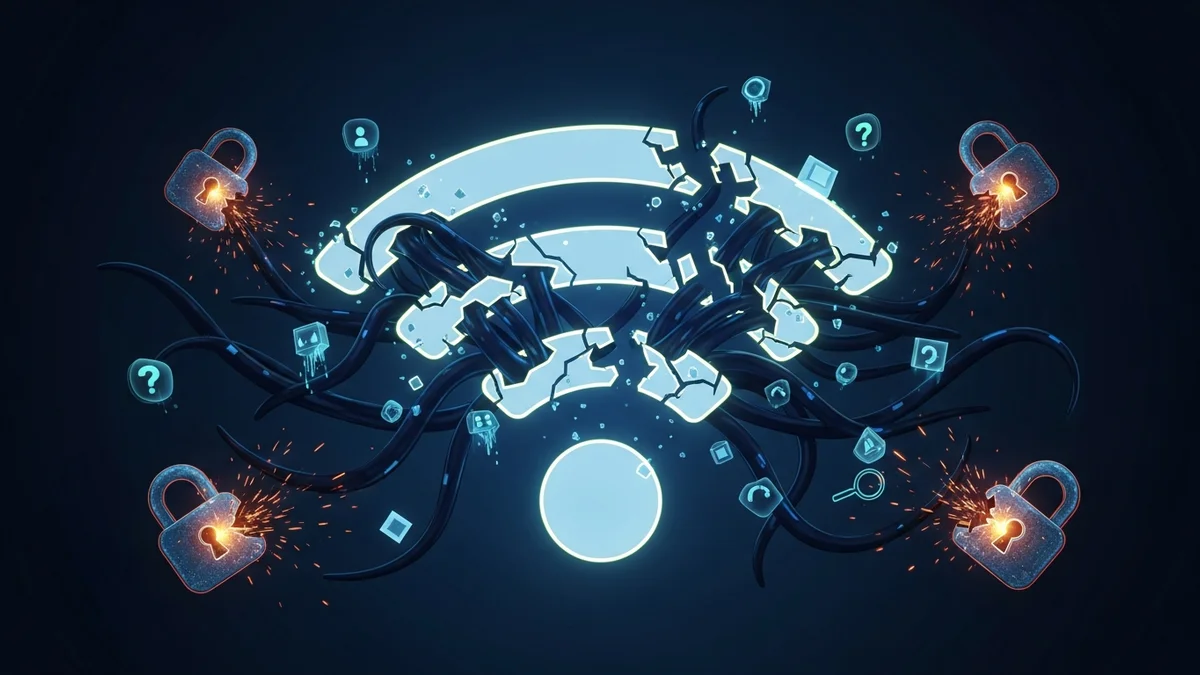
Free Wi-Fi networks are everywhere — coffee shops, airports, hotels, shopping malls, even public transportation. They’re convenient, fast, and often essential when you’re traveling or working remotely. But behind that "Free Wi-Fi" sign lies a serious cybersecurity risk that most people underestimate.
Public wireless networks are one of the easiest hunting grounds for cybercriminals. If you’ve ever checked your email, logged into social media, or accessed your bank account on public Wi-Fi, you may have exposed more than you realize. Here’s what you need to know about the hidden dangers of free Wi-Fi networks — and how to protect yourself.
1. Man-in-the-Middle Attacks: Someone May Be Watching
One of the most common threats on free Wi-Fi networks is the Man-in-the-Middle (MitM) attack. This happens when a hacker secretly intercepts the communication between you and the website or service you’re using.
Instead of your data traveling directly from your device to the website, it passes through the attacker first. That means they can potentially see:
- Login credentials
- Email messages
- Credit card numbers
- Personal files
According to the FBI’s Internet Crime Complaint Center (IC3), Americans lost over $10.3 billion to cybercrime in 2022 alone — a significant portion tied to credential theft and online fraud. Public Wi-Fi environments make these attacks significantly easier to execute.
Even if a website uses HTTPS encryption, poorly configured networks or malicious hotspots can still expose session data if you’re not careful.
2. Fake Hotspots and "Evil Twin" Networks
Not all free Wi-Fi networks are legitimate. Cybercriminals often create fake hotspots designed to look like official ones.
You might see network names like:
- "Airport_Free_WiFi"
- "CoffeeShop_Guest"
- "Hotel_WiFi_Official"
In reality, these are attacker-controlled networks. Once you connect, the hacker can monitor your activity, inject malware, or redirect you to phishing pages.
This tactic, known as an Evil Twin attack, has been widely documented in penetration testing and real-world cybercrime cases. Because most devices automatically reconnect to known network names, attackers can even mimic previously used networks to trick your phone or laptop into connecting automatically.
The result? Your personal data may be compromised before you even open your browser.
3. Unencrypted Networks Mean Unprotected Data
Many public Wi-Fi networks are completely unencrypted. Unlike secured home networks protected by WPA3 or WPA2 passwords, open networks allow data to travel in plain text.
This makes it easier for attackers using basic packet-sniffing tools to capture:
- Unsecured website logins
- Cookies and session tokens
- Email metadata
- App data transmissions
Security researchers have repeatedly demonstrated how easy it is to intercept data on open networks using freely available tools. In some cases, attackers don’t need advanced skills — just proximity to the network.
If your login credentials are captured, they can be reused in credential stuffing attacks against other accounts. This is particularly dangerous if you reuse passwords across services.
Once your credentials appear in a data leak, tools like LeakDefend can monitor your email addresses and alert you when they show up in breach databases, helping you act before attackers exploit them further.
4. Malware Distribution Over Public Wi-Fi
Another hidden danger of free Wi-Fi networks is malware injection. Attackers can exploit vulnerabilities in outdated devices or trick users into installing malicious software.
Common techniques include:
- Fake software update pop-ups
- Malicious download prompts
- Drive-by downloads via compromised websites
In 2018, a widely reported attack at a major European airport involved fake Wi-Fi login pages that pushed spyware onto users’ devices. Once installed, the malware harvested credentials and sensitive data.
Many people assume their devices are safe because they use antivirus software. But unpatched systems, outdated browsers, or insecure apps can still provide entry points for attackers on shared networks.
5. Identity Theft and Financial Fraud
The ultimate goal of many public Wi-Fi attacks is identity theft. With enough stolen information — name, email, passwords, date of birth — criminals can:
- Open fraudulent accounts
- Access online banking
- Reset passwords on other platforms
- Launch phishing campaigns in your name
According to the U.S. Federal Trade Commission (FTC), identity theft reports consistently exceed one million cases annually. Compromised credentials from unsecured networks often serve as the starting point.
What makes this especially dangerous is delayed detection. You may not realize your credentials were intercepted until months later — when fraudulent charges or password reset notifications begin appearing.
That’s why proactive monitoring matters. Services like LeakDefend.com let you check multiple email addresses for exposure and receive alerts when your data appears in new breaches. Early detection dramatically reduces the damage attackers can cause.
How to Stay Safe on Free Wi-Fi Networks
You don’t have to avoid public Wi-Fi entirely, but you should use it carefully. Follow these best practices:
- Use a reputable VPN to encrypt your traffic.
- Avoid accessing banking or sensitive accounts on public networks.
- Turn off automatic Wi-Fi connections on your devices.
- Enable multi-factor authentication (MFA) on all important accounts.
- Keep your operating system and apps updated.
- Use unique passwords for every service.
Even with precautions, breaches can still happen. Monitoring your digital footprint is the final layer of defense.
🔒 Check If Your Email Was Breached — Monitor up to 3 email addresses for free with LeakDefend. Start Your Free Trial →
Free Wi-Fi Is Convenient — But It’s Not Private
Free Wi-Fi networks offer speed and convenience, but they rarely offer security. From Man-in-the-Middle attacks and fake hotspots to malware injection and identity theft, the risks are real and well-documented.
The reality is simple: if you’re not paying for the network, security probably isn’t the top priority.
Stay cautious, encrypt your traffic, avoid sensitive activity on public networks, and monitor your email addresses for signs of compromise. Tools like LeakDefend add an extra layer of awareness by notifying you when your data appears in breaches — giving you time to change passwords and secure accounts before serious damage occurs.
Public Wi-Fi doesn’t have to be a disaster waiting to happen — but only if you treat it like the high-risk environment it truly is.