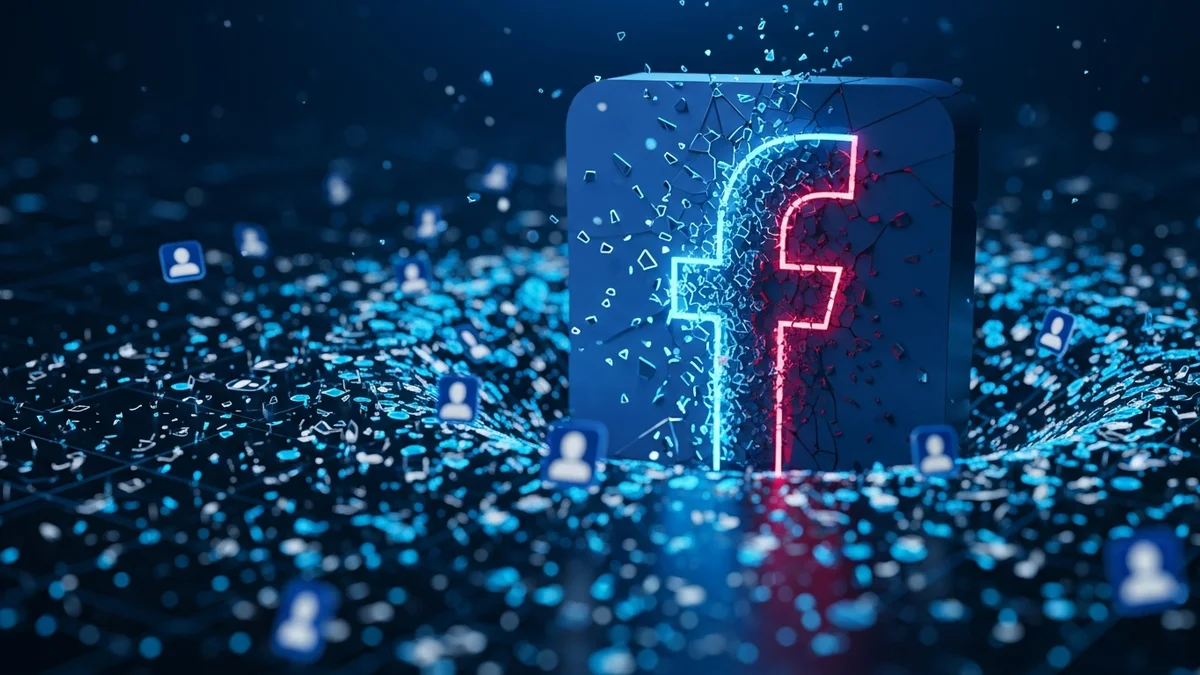
In one of the largest social media exposures ever discovered, the Facebook data leak revealed personal information from 533 million users across 106 countries. The data, which surfaced publicly in 2021, included phone numbers, Facebook IDs, names, locations, birthdates, and in some cases email addresses. While Facebook (now Meta) stated the data was scraped due to a vulnerability patched in 2019, the scale and accessibility of the leak raised serious concerns about personal privacy and long-term identity risks.
If you have ever had a Facebook account, there is a significant chance your information was included. Here’s what happened, why it matters, and what steps you should take now.
What Happened in the Facebook Data Leak?
The exposed dataset was first discovered on a hacking forum and later made freely available online. Security researchers confirmed the database contained records for 533 million Facebook users, including:
- Phone numbers
- Facebook user IDs
- Full names
- Locations (city, state, country)
- Birthdates
- Email addresses (in some cases)
- Relationship status
The breach affected users worldwide, including approximately 32 million in the United States, 11 million in the United Kingdom, and 6 million in India.
Importantly, this was not a traditional "hack" involving stolen passwords. Instead, attackers exploited a vulnerability in Facebook’s contact importer feature before September 2019. By automating requests, they were able to match phone numbers with Facebook profiles and compile a massive dataset.
Although Facebook fixed the vulnerability in 2019, the data remained in circulation and eventually became public in 2021 — demonstrating a harsh reality of cybersecurity: once data is exposed, it rarely disappears.
Why This Leak Is More Dangerous Than It Looks
At first glance, some may dismiss the Facebook data leak because it did not include passwords. However, the exposed information is highly valuable to cybercriminals.
Phone numbers are particularly sensitive. Unlike passwords, you cannot easily change your phone number. With it, attackers can:
- Launch convincing SMS phishing ("smishing") attacks
- Attempt SIM-swapping fraud
- Bypass two-factor authentication tied to SMS
- Impersonate you in social engineering scams
When combined with other previously leaked data — such as the 2017 Equifax breach affecting 147 million Americans or the 2013 Yahoo breach impacting 3 billion accounts — criminals can build detailed identity profiles. This technique, known as "data enrichment," increases the likelihood of identity theft.
Even basic information like your birthdate and location can be used to answer security questions or craft highly personalized phishing messages that appear legitimate.
How the Facebook Leak Impacts You Today
The long-term impact of the Facebook data leak is ongoing. Unlike a credit card breach, where you can cancel the card and move on, personal identifiers persist for years.
You may experience:
- An increase in spam calls and text messages
- More targeted phishing emails
- Fraud attempts pretending to be from Facebook or Meta
- Suspicious login attempts on other accounts
Cybercriminals often wait months or years before using stolen data. This delay reduces suspicion and increases the success rate of scams.
Because of this, proactive monitoring is essential. Tools like LeakDefend can monitor your email addresses and notify you if they appear in new or existing data breaches. Early detection gives you time to secure accounts before damage occurs.
What You Should Do If Your Data Was Exposed
If you had a Facebook account before 2019, assume your data may be part of the leak and take these steps:
- Enable app-based two-factor authentication (2FA). Avoid SMS-based 2FA whenever possible to reduce SIM-swapping risk.
- Use unique, strong passwords for every account. A password manager can help generate and store them securely.
- Watch for phishing attempts. Be cautious of messages referencing your personal details.
- Secure your mobile carrier account. Add a PIN or port-out protection to prevent SIM-swapping.
- Monitor your accounts regularly for unusual activity.
It’s also wise to check whether your email addresses have appeared in other breaches. LeakDefend.com lets you check multiple email addresses and receive alerts if your information is found in new leaks. Since many people reuse emails across services, one exposed account can create ripple effects elsewhere.
The Bigger Lesson About Social Media Privacy
The Facebook data leak underscores a broader truth: large platforms are constant targets. Even when vulnerabilities are patched, previously scraped or stolen data can circulate indefinitely.
Social media platforms collect enormous amounts of personal information. While privacy settings help limit visibility, they cannot always prevent data scraping or technical flaws.
To reduce your exposure:
- Limit the personal details visible on your profile
- Remove your phone number if it is not necessary
- Review privacy settings regularly
- Avoid oversharing birthdates, locations, and family details
Most importantly, adopt the mindset that any data shared online could eventually become public. Preparing for that possibility — through monitoring and strong account security — is far more effective than reacting after fraud occurs.
🔒 Check If Your Email Was Breached — Monitor up to 3 email addresses for free with LeakDefend. Start Your Free Trial →
Conclusion: Stay Alert, Stay Protected
The Facebook data leak of 533 million records remains one of the largest exposures of personal information in social media history. While no passwords were stolen, the combination of phone numbers, names, and other identifiers creates real and lasting risks.
Data breaches are no longer rare events — they are a constant reality. From Yahoo to Equifax to Facebook, millions of people have learned that even trusted platforms can expose sensitive data.
The key takeaway is simple: assume your information may already be circulating and take steps to protect yourself. Strengthen your authentication methods, monitor for suspicious activity, and use services like LeakDefend to stay informed about new threats. In today’s digital world, awareness and proactive monitoring are your strongest defenses.