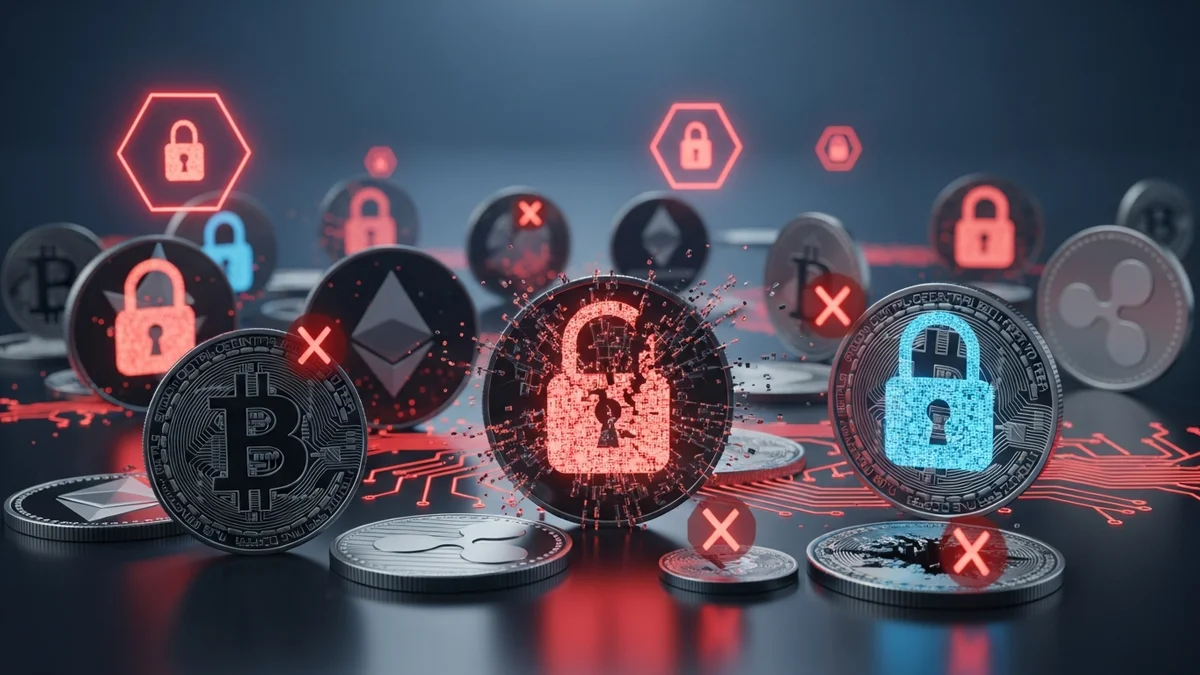
Cryptocurrency scams linked to data breaches are rising at an alarming pace. While crypto itself relies on secure blockchain technology, the people using it often rely on email accounts, passwords, and mobile numbers that have already been exposed in breaches. Cybercriminals know this — and they weaponize stolen data to target crypto holders with precision.
According to the FBI’s Internet Crime Complaint Center (IC3), crypto-related fraud accounted for over $5.6 billion in reported losses in 2023 alone. A significant portion of these attacks began with compromised personal information obtained through previous data breaches. If your email address or phone number has ever been exposed, you may be more vulnerable than you think.
Here’s how data breaches fuel cryptocurrency scams — and what you can do to protect yourself.
How Data Breaches Become Crypto Attack Playbooks
When a company suffers a breach, attackers often obtain:
- Email addresses
- Passwords (hashed or plain text)
- Phone numbers
- Usernames
- Physical addresses
This data is typically sold on dark web marketplaces. Criminals then cross-reference it with crypto exchange leaks, social media profiles, or blockchain transaction data to identify high-value targets.
For example, after the 2020 Ledger hardware wallet breach exposed contact information of more than 270,000 customers, victims reported waves of phishing emails and even physical mail threats demanding cryptocurrency payments. The attackers didn’t break the blockchain — they exploited exposed personal data.
Similarly, breaches at platforms like Coinbase (which disclosed insider-related data misuse attempts in 2021) demonstrate how customer information, even when limited, can become a launchpad for social engineering attacks.
Phishing Campaigns Powered by Breach Data
Phishing remains the most common link between data breaches and cryptocurrency theft. When attackers already have your real name, email address, and knowledge of services you use, their messages look far more convincing.
Instead of generic spam, victims receive targeted emails such as:
- “Your Binance account has been locked — verify immediately.”
- “Suspicious login detected on your Coinbase wallet.”
- “Action required: Confirm your crypto withdrawal.”
Because the message includes accurate personal details, recipients are more likely to click malicious links and enter login credentials. Once attackers gain access to an exchange account, funds can be transferred within minutes — often irreversibly.
Tools like LeakDefend help reduce this risk by monitoring whether your email addresses appear in newly discovered breaches. If your data is exposed, you can change passwords and enable stronger protections before criminals exploit it.
SIM Swapping and Account Takeovers
Another major threat tied to data breaches is SIM swapping. In this attack, criminals use stolen personal information to convince a mobile carrier to transfer your phone number to a SIM card they control.
With control of your number, attackers can intercept:
- Two-factor authentication (2FA) codes
- Password reset messages
- Exchange login confirmations
High-profile victims, including tech entrepreneurs and investors, have lost millions through SIM swap attacks. In many cases, the criminals relied on personal data gathered from prior breaches to answer security questions or impersonate victims convincingly.
The danger increases if you reuse passwords across services. If your credentials were leaked in an unrelated breach — say, a retail website — attackers may test the same combination on crypto exchanges. This tactic, known as credential stuffing, is highly automated and surprisingly effective.
Why Crypto Holders Are Prime Targets
Unlike traditional bank transfers, cryptocurrency transactions are generally irreversible. Once funds are moved to a scammer’s wallet, recovery is extremely difficult.
This makes crypto users attractive targets because:
- Transactions settle quickly and globally
- Wallets can be anonymized
- There is limited consumer protection
- High-value accounts are common
Attackers often prioritize individuals whose emails appear in both general data breaches and crypto-related leaks. Even public clues — such as posting about NFT purchases or trading gains — can help criminals decide who to target.
If your email address has been exposed multiple times, your risk compounds. LeakDefend.com lets you check all your email addresses for free and see where they’ve appeared in known breaches, helping you assess your exposure level.
How to Protect Yourself From Breach-Driven Crypto Scams
Preventing cryptocurrency scams linked to data breaches requires a layered defense strategy:
- Use unique passwords for every exchange and wallet-related account.
- Enable app-based 2FA (like Authenticator apps) instead of SMS-based codes.
- Consider a hardware wallet for long-term storage.
- Lock your SIM card with a carrier PIN to reduce SIM swap risk.
- Monitor breach exposure so you can act quickly if your data appears in a new leak.
Monitoring is critical because breaches are often discovered months after they occur. The earlier you know your information is exposed, the faster you can rotate credentials and secure accounts.
LeakDefend continuously scans breach databases and alerts you when your information surfaces, giving you time to respond before attackers turn that data into a targeted crypto scam.
What To Do If You’ve Been Targeted
If you suspect your data has been used in a cryptocurrency scam attempt:
- Immediately change passwords on email and exchange accounts.
- Revoke active sessions in your exchange security settings.
- Move funds to a new wallet if credentials may be compromised.
- Contact your mobile carrier to add or strengthen a SIM lock.
- Report the incident to your exchange and to IC3.gov.
Time is critical. Many crypto thefts occur within hours of account compromise.
🔒 Check If Your Email Was Breached — Monitor up to 3 email addresses for free with LeakDefend. Start Your Free Trial →
The Bottom Line: Your Weakest Link Isn’t the Blockchain
Cryptocurrency scams linked to data breaches don’t exploit blockchain vulnerabilities — they exploit exposed personal data. Every leaked email, reused password, or unprotected phone number increases your attack surface.
As breaches continue to affect millions of users worldwide — from social media platforms to e-commerce giants — crypto holders must assume their data may already be circulating in underground markets.
The good news is that proactive monitoring, strong authentication, and better password hygiene dramatically reduce your risk. Stay alert, monitor your exposure, and treat your personal data with the same seriousness as your private keys.
Because in today’s threat landscape, protecting your cryptocurrency starts with protecting your identity.