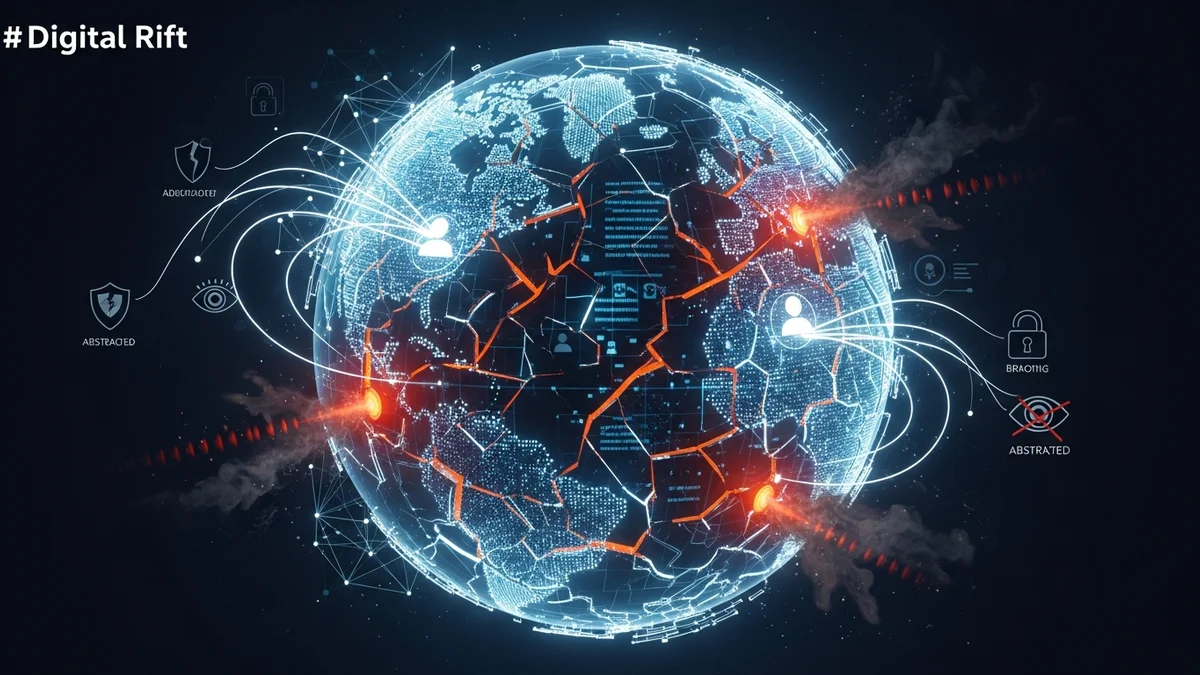
The biggest data breaches of 2024 affected millions of people worldwide, exposing everything from Social Security numbers to medical histories and account passwords. While large-scale breaches are no longer shocking headlines, the scale and frequency of incidents this year delivered hard lessons about digital hygiene, corporate security gaps, and personal responsibility.
From healthcare providers and telecom companies to cloud platforms and retail chains, 2024 proved that no industry is immune. Here’s what happened — and what victims learned the hard way.
Healthcare Breaches Reached Record Highs
Healthcare remained one of the most targeted sectors in 2024. In the United States alone, healthcare data breaches affected tens of millions of patients. One of the most widely reported incidents involved Change Healthcare, where a ransomware attack disrupted pharmacy services nationwide and exposed sensitive patient information.
Medical records are especially valuable on the dark web because they contain:
- Full names and addresses
- Dates of birth
- Insurance details
- Social Security numbers
- Medical histories
Unlike credit card numbers, medical data cannot simply be “canceled.” Victims learned that once this information is exposed, the risk of identity theft and insurance fraud can last for years.
Lesson learned: Sensitive personal data stored by third parties is often outside your control — but monitoring your identity and breach exposure is not.
Telecom and Tech Companies Became Prime Targets
Telecommunications providers and tech platforms also faced significant breaches in 2024. Several major providers disclosed unauthorized access incidents that exposed customer account details, including phone numbers, email addresses, and account PINs.
In many cases, attackers gained access through:
- Compromised employee credentials
- Unpatched software vulnerabilities
- Third-party vendor weaknesses
Even when financial data wasn’t directly exposed, stolen account information enabled SIM-swapping attacks and phishing campaigns. Victims reported fraudulent account changes, intercepted SMS-based authentication codes, and unauthorized cryptocurrency withdrawals.
The takeaway? A phone number is no longer just a contact detail — it’s a gateway to your digital identity.
Ransomware Evolved — and So Did Its Impact
Ransomware groups continued to refine their tactics in 2024. Instead of simply encrypting systems, many attackers used double- or triple-extortion methods:
- Encrypting company data
- Stealing sensitive information
- Threatening public leaks if ransoms weren’t paid
This strategy amplified the impact of breaches. Even organizations that restored systems from backups still faced reputational damage and legal consequences when stolen data was published online.
According to cybersecurity industry reports, ransomware attacks in 2024 cost businesses billions globally, factoring in downtime, legal fees, regulatory fines, and recovery expenses.
For individuals, the lesson was sobering: your data may be leaked even if a company recovers operationally. Once attackers exfiltrate information, containment becomes nearly impossible.
Password Reuse Remained a Massive Weakness
One of the most consistent patterns across the biggest data breaches of 2024 was credential reuse. When one platform was compromised, attackers tested leaked email-password combinations across banking apps, e-commerce platforms, and social media accounts.
This tactic, known as credential stuffing, continues to succeed because many users reuse passwords across multiple services.
Victims learned several key lessons:
- Unique passwords are essential
- Two-factor authentication (2FA) is no longer optional
- Monitoring breach exposure helps prevent account takeovers
Tools like LeakDefend allow you to monitor your email addresses for breach exposure, helping you act quickly before attackers can exploit leaked credentials. Early detection often makes the difference between a simple password reset and full-blown identity theft.
Delayed Disclosure Increased the Damage
Another frustrating trend in 2024 was delayed breach disclosure. In several high-profile cases, companies identified unauthorized access months before publicly notifying users.
These delays left victims unaware that their information was circulating in criminal forums. During that window, attackers were able to:
- Launch targeted phishing campaigns
- Attempt account takeovers
- Sell data in underground marketplaces
By the time official notifications were sent, the data had often already been weaponized.
This reinforced an important point: you can’t rely solely on companies to alert you quickly. Proactive monitoring is critical. LeakDefend.com lets you check all your email addresses for free, helping you identify exposures even before formal notices arrive.
What Millions of Victims Learned About Digital Protection
The biggest data breaches of 2024 weren’t just news stories — they were wake-up calls. Across industries and regions, victims shared similar realizations:
- Your data is stored in more places than you think. From subscription services to healthcare portals, each account expands your exposure surface.
- Breaches are inevitable — preparation is optional. Even well-funded organizations fall victim to sophisticated attacks.
- Speed matters. The faster you respond to leaked credentials, the lower the risk of cascading compromises.
- Visibility is power. Knowing which email addresses have been exposed allows you to prioritize password resets and security upgrades.
Monitoring tools, password managers, multi-factor authentication apps, and credit monitoring services have become essential components of personal cybersecurity — not luxuries.
🔒 Check If Your Email Was Breached — Monitor up to 3 email addresses for free with LeakDefend. Start Your Free Trial →
Final Thoughts: Breaches Are Inevitable — Damage Isn’t
The biggest data breaches of 2024 demonstrated a harsh reality: no organization is completely immune from cyberattacks. Healthcare providers, telecom giants, retailers, and cloud platforms all faced serious incidents affecting millions.
But the real lesson wasn’t just about corporate cybersecurity failures. It was about personal resilience. Victims who acted quickly — changing passwords, enabling two-factor authentication, and monitoring their exposure — significantly reduced their long-term risk.
Data breaches may be unavoidable in today’s digital ecosystem. Staying informed, vigilant, and proactive is not. By regularly checking your exposure with services like LeakDefend and strengthening your account security habits, you can turn a potential crisis into a manageable inconvenience.
In 2024, millions learned this lesson the hard way. In 2026 and beyond, you don’t have to.